Hand-made textiles
Knitting and crochet
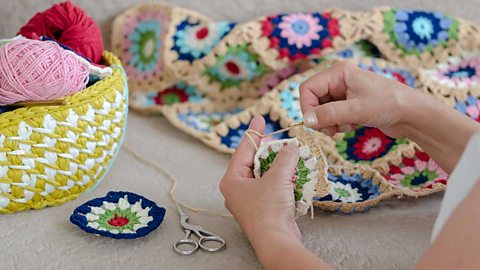
Knitted fabrics are produced by hand, using needles to create lines of linked loops.
Click through the slideshow for examples of knitted and crocheted fabric:
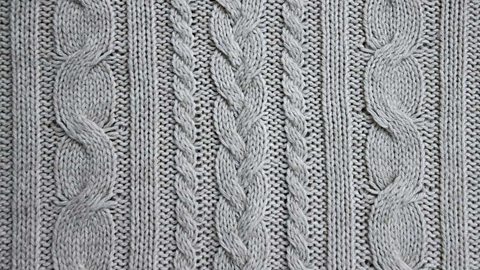
Image caption, Different stitches can be produced by the number of times and the different ways you wrap the yarn around the needle
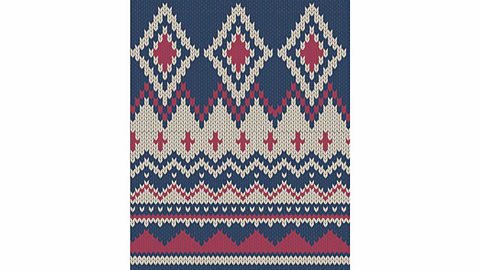
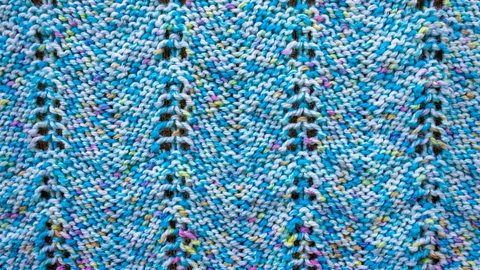
1 of 4
Braided fabrics
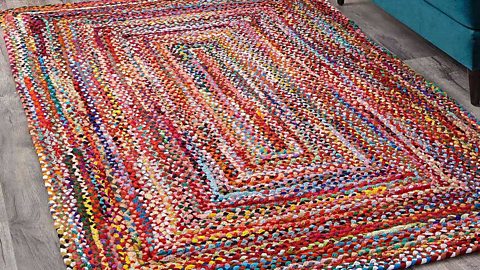
Fabrics can be produced by plaiting and wrapping yarns to produce braids. These are then stitched together in rows or spirals to form fabrics.
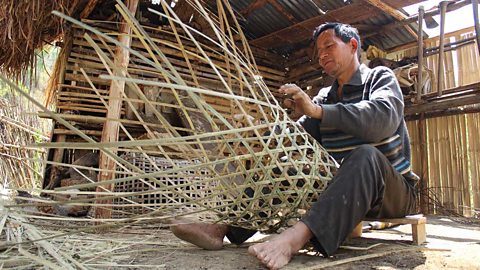
Straw, grasses and twigs can also be used to produce woven and braided fabrics. This is how baskets are made.
Felting / non-woven fabrics
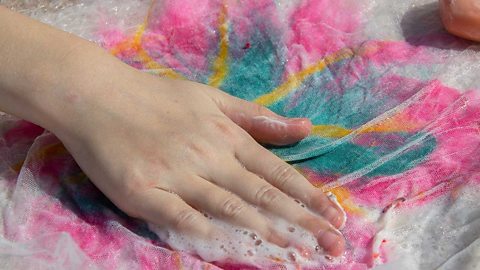
Felted fabrics are produced by matting natural and man-made fibres together using friction, heat and soapy water.
Needle felting is when you use barbed needles to mat the fibres together.
You can also purchase needle felting machines, or embellishers, which are like a sewing machine. They use multiple needles to mat the fibres together quickly.
Bonded fabrics, sometimes called non-woven fabrics, are made from fibres, not yarns. This makes them much weaker and prone to tearing, but they don’t stretch or fray. are produced using heat and pressure.
Create your own bonded fabrics by trapping tissue paper, crayon shavings, leaves, flowers, feathers etc. in laminator pouches before passing them through the laminator or by using a heat press. These can be stitched into or used to cut out sequins and applique patches.
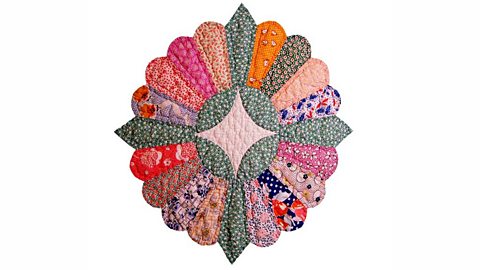
Patchwork and quilting
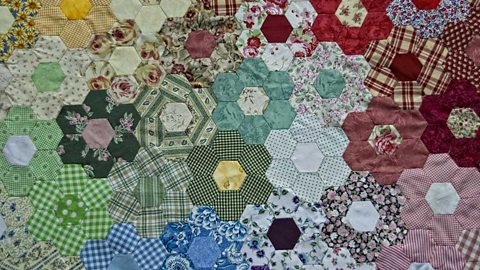
Patchwork is a technique in which pieces of fabric are cut and sewn together to create a design.
Panels are turned into quilts by adding a backing fabric and a layer of Loose fibres, often polyester, loosely bonded together to help the insulation properties of a textile product. in between. A design is then sewn through all three layers to decorate the surface of the fabric.