Animal welfare
Animal welfare refers to the wellbeing of an animal. This includes the ability of the animal to express its natural behavioural patterns.
Costs, benefits and ethics of animal welfare
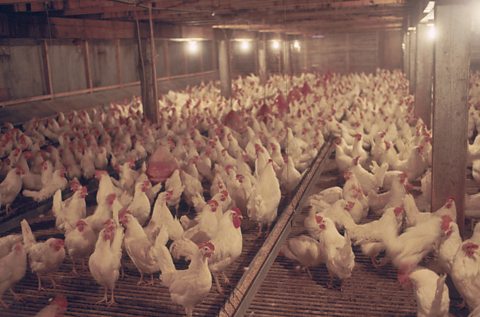
Intensive farming is less ethical than free range farming due to poorer animal welfare. Improving the welfare of domesticated animals involves increased costs. An expensive initial payment is needed from the farmer, as free range requires more land. Ongoing costs are also higher as free range farming is more labour intensive.
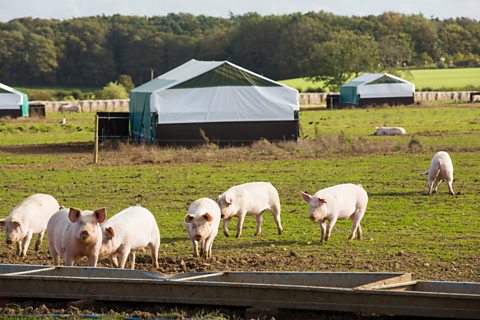
However, free range has long-term benefits including:
- increased growth of animals
- increased success rate of breeding
- higher quality end products (meaning they can be sold at a higher price)
- improved image and marketing appealing to wider markets
The animals also have a better quality of life.
Intensive farming often results in poor animal welfare however it can be more cost effective and therefore more profitable.
Poor animal welfare can be reflected by behavioural indicators.
