Economy, law and foreign affairs in the Early Elizabethan era
Economy and society
The Elizabethans believed that God had set out an order for everything, known as the Great Chain of Being. This also included the order of society and your place in it. The Queen was at the top and controlled wealth and life chances, and inequalities further down the chain were accepted.
However, during Elizabeth’s reign the Poor Laws were introduced as measures to support the poor and unemployed, because of growing poverty and a fear of social unrest. They were the first form of welfare.
Elizabeth’s reign was seen as a ‘golden age’ of culture, with theatre becoming popular across all of society. It was in the latter years of her reign, from the 1590s, Shakespeare wrote many of his plays.
Law and order
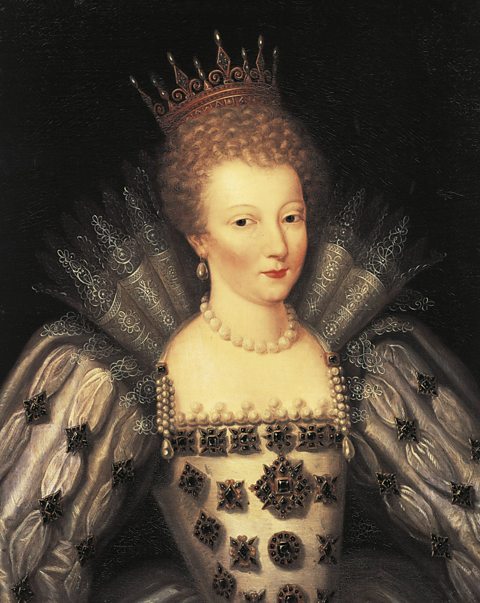
Elizabeth faced challenges throughout her long reign. Many were from Catholic plotters wanting Elizabeth off the throne and Mary, Queen of Scots on. Elizabeth thwarted plots such as The Northern Earl’s Rebellion, The Throckmorton Plot and The Babington Plot, securing England’s security.
Foreign affairs
Elizabeth faced challenges from France and Spain during her reign. They were more powerful, wealthier, and Catholic.
France began as the biggest threat due to their strong links with Mary, Queen of Scots - but civil war in France and Elizabeth’s sensible diplomacy minimised this risk.
Spain turned out to be the bigger threat. During Elizabeth’s reign, tensions built between the two countries culminating in the Spanish Armada in 1588 – Spain’s failed attempt to invade England and overthrow Elizabeth. England’s victory over Spain was a highpoint for Elizabeth and she seized on the propaganda opportunity to further boost her image and international status.
