What causes social and economic inequality?
There are many causes of social and economic inequality such as unemployment, low pay, lack of education, homelessness and social class.
Long-term unemployment
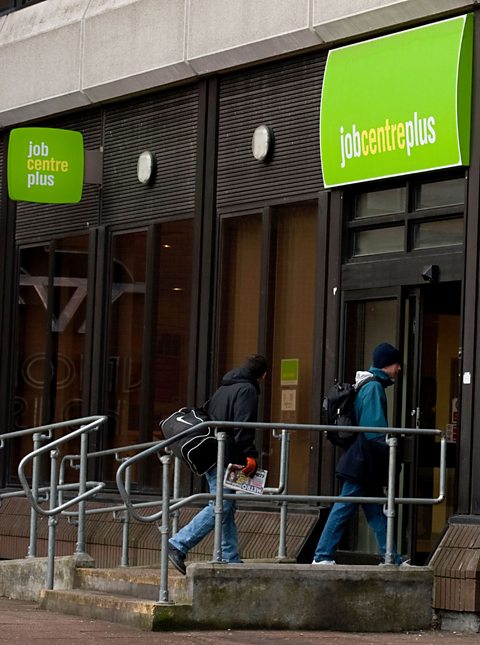
One cause of social and economic inequality is long-term unemployment.
To be counted as unemployed in the UK, a person must be capable of work, actively seeking work and available to work. Unemployed people register online or they can call Jobcentre Plus.
A person who lives on benefits will most likely have a low income.
The 2023-24 rate of Universal Credit monthly payment for someone under 25 years is £292.11 (which gives £67.41 per week). For those over 25 years the figure is £368.74 (£85.09 per week).
Although unemployed people may be entitled to other support such as Council Tax rebate, benefit payments are very low compared to what anti-poverty campaign groups such as the Joseph Rowntree Foundation (JRF) would argue is needed for someone to avoid living in poverty.
If someone is unemployed long term, perhaps for over 12 months, they may find that they experience multiple problems. For example, long term unemployment can affect a person's mental health, confidence and self-esteem. It can also lead to debt, an unhealthy diet and poor physical health.
