Culturing
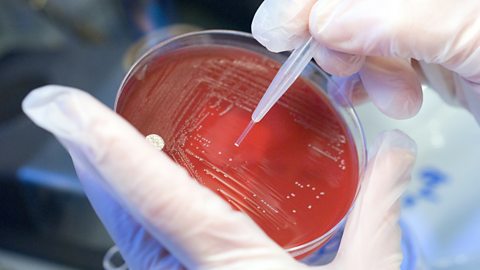
Culturing is a process that results in the multiplying of micro-organisms under laboratory conditions. Growth media, which can be either solid or liquid, provides the surface where micro-organisms grow.
This surface can be composed of specific substances and have complex molecules such as vitamins, fatty acids and beef extract added to it.
While culturing bacteria you must control the conditions, such as:
- temperature
- O2 levels
- pH - by adding acid or alkali or using a buffer solution
- nutrients - within the growth media
- sterility - to stop any contamination from other micro-organisms
There are a number of ways in which contamination could be prevented:
- heat sterilisation by using an autoclave to kill microbes under high temperatures
- radiation sterilisation by using electromagnetic radiation like UV waves
- using chemicals like disinfectants and antiseptics
Sterile conditions in fermenters reduce competition with the desired micro-organisms for nutrients and reduce the risk of spoilage of the product.
The conditions in the growth media will vary depending on which species of micro-organism is being grown. For example, a microbe that needs oxygen to undergo respiration would need a constant supply of oxygen.
However, those that are unable to grow in the presence of oxygen would need conditions where there is no oxygen present.
Oxygen can be piped into the growth medium or the growth medium can be stirred in order for all of the microbes to receive a good supply of oxygen.
