Strength and flexibility
Strength
Strength is the maximum force a muscle or group of muscle can apply against a resistance in a push, pull or lift motion. Strength can be static (holding a position), dynamic (continually moving) or explosive (sudden burst).
Impact on performance
A forward in rugby with good strength will be able to hold their position in the scrum better and then drive forward, giving them a better chance of pushing the opposing scrum back.
A long jumper with good explosive strength will be able to change their running speed into height with their take-off step, driving upwards and achieving a better distance overall.
A cyclist with a lack of strength in their legs will struggle to perform a steep climb in a race. Each turn of the pedal needs to be pushed hard with the legs to maintain a rhythm and get up the hill as quickly as possible. This lack of strength will affect the chances of winning the race.
Flexibility/Suppleness
Flexibility is the range of movement possible at a joint. It allows performers to reach, stretch and move their joints to gain possession, to make a motif/set movement look interesting or to achieve a more effective/efficient position.
Impact on performance
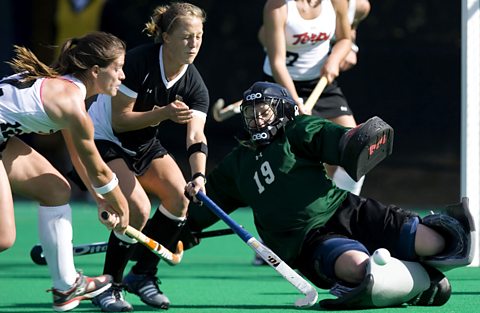
In hockey, a goalkeeper with good flexibility will be able to extend a leg to the ground easier, giving them a much better chance of stopping a low shot.
A gymnast with good flexibility will be able to perform more challenging balances and skills, creating much neater lines and shapes. This will result in a better artistic score from the judges.
In trampolining, poor flexibility means the performer might not achieve as neat a straddle shape during the routine. This will result in the judges awarding a lower score.
