Chinese Government response to environmental inequality
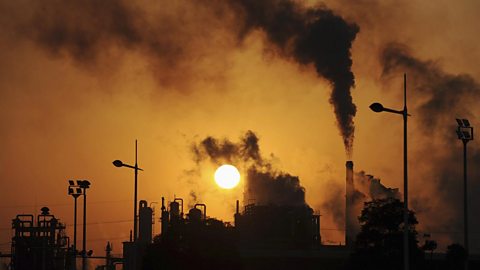
China has 16 of the world's 20 most polluted cities and according to Chinese government sources, about a fifth of the urban Chinese population breathe heavily polluted air. Many places are polluted with fumes from high-sulphur coal and leaded gasoline. Only a third of the 340 cities that are monitored meet China's own pollution standards.
The rapidly growing economy and the greater urbanisation of the population (urban dwellers use two and a half times the energy of rural dwellers) has left the country chronically short of energy. With the CPC set on a policy of economic growth to maintain social order, the Chinese have little choice but to develop energy production as cheaply and as quickly as possible.
Coal burning power stations are relatively cheap and quick to build. 70 per cent of China's energy comes from coal. However, the problem with burning coal is the huge environmental damage from C02 emissions both within China and globally.
Nuclear power is an expensive option and currently provides for only 4 per cent of China's energy needs. Other sources of 'green energy' are being developed.
Environment and inequality
A major issue for China is air pollution caused by increased industry, transport and burning of fossil fuels. This does not affect all the population equally.
According to the University of Chicago’s Annual Air Quality Life Index 2023, China’s air pollution is 42.3 percent lower than it was in 2013. On average this reduction should increase the life expectancy of Chinese citizen by 2.2 years.
However pollution levels in China are still high - six times the WHO guideline.
Air, water and land pollution are not evenly spread across China. Heavily industrialised regions of north China and parts of Western China suffer higher levels of pollution. China’s coastal region and the area along the Yangtze River have seen more focus on environmental improvements.
According to the World Bank, carbon emission levels have peaked or are levelling off in Beijing and coastal regions. By contrast, emissions are still rising in many poorer provinces including Ningxia, Xinjiang, Shanxi, and Inner Mongolia. These regions all have economies that rely on coal and heavy industry.
The Chinese government has increased funding for new green technologies and introduced fines and charges for polluting companies. The heavily polluted areas of the north and west stand to benefit from these changes however these regions are also likely to suffer most financially from the shift to low carbon economies.
