Identifying problems and needs
Research before and after the A set of instructions given to a designer by a client. can identify any limitations to ideas and help with initial designs. Analysis of research and user feedback can lead to changes being made to the brief, such as a change in timescale or budget. The results of feedback, testing and Analysing the form and function of a product. should give the designer a good starting point to adapt, test, evaluate and improve their product.
Not all design is aimed at selling the maximum number of products. There are many problems that need solving for a very small The group of people a product is made for., for example:
- designing fastenings for small children to use
- creating products for the partially sighted, which might include bright colours or large buttons
- redesigning products using the ergonomic data of a wheelchair user
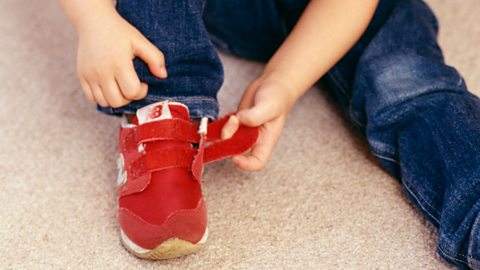
Image caption, Hook and loop (sometimes called Velcro) fastening for children
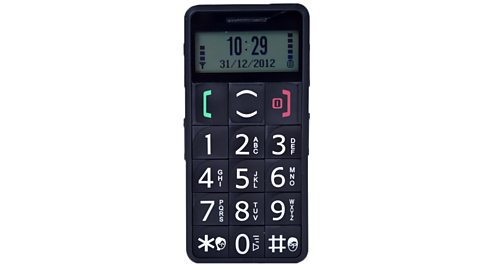
1 of 2
Regularly feeding back to the In business, a client is a person or organisation that wants a product manufactured, eg a retailer. ensures the designer continues to fulfil the aims of the design brief.
Example
During the research stage, evaluating existing products against A specific set of standards or characteristics that a product should be able to perform. will aid you in the writing of a refined brief and specification. Below is an example of an evaluation that compares two mobile phones.
| Performance criteria | Mobile phone A | Mobile phone B |
| Cost | RRP £350.00 | RRP £99.00 |
| Size | Length = 130 mm Width = 73 mm Thickness = 7 mm | Length = 90 mm Width = 65 mm Thickness = 11 mm |
| Weight | 77 g | 86 g |
| Performance criteria | Cost |
|---|---|
| Mobile phone A | RRP £350.00 |
| Mobile phone B | RRP £99.00 |
| Performance criteria | Size |
|---|---|
| Mobile phone A | Length = 130 mm Width = 73 mm Thickness = 7 mm |
| Mobile phone B | Length = 90 mm Width = 65 mm Thickness = 11 mm |
| Performance criteria | Weight |
|---|---|
| Mobile phone A | 77 g |
| Mobile phone B | 86 g |
From this comparison, it is possible to draw a number of conclusions.
- Cost - Mobile phone A is more expensive than mobile phone B.
- Size - Mobile phone A is longer and wider than mobile phone B. Mobile phone A also has a bigger screen, which means more information can fit on the screen. However, mobile phone B is 4 mm thicker than mobile phone A.
- Weight - Considering that the overall size of mobile phone A is bigger, it is 9 g lighter than mobile phone B.
Question
The table below compares an aluminium drinks can and a polyethylene terephthalate (PET) drinks bottle on a variety of performance criteria:
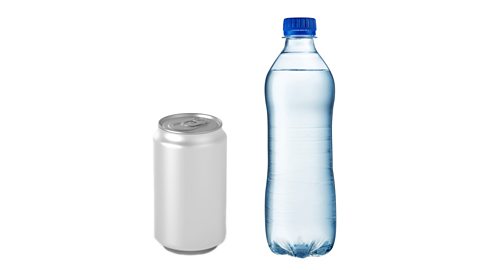
| Performance criteria | Aluminium drinks can | Polyethylene terephthalate (PET) drinks bottle |
| Cost of manufacture | £0.03 | £0.09 |
| Function | Hold liquid without leaking. Single-use container. | Hold liquid without leaking. Contents visible through bottle. Can be resealed and reused. |
| Volume | 300 ml | 500 ml |
| Performance criteria | Cost of manufacture |
|---|---|
| Aluminium drinks can | £0.03 |
| Polyethylene terephthalate (PET) drinks bottle | £0.09 |
| Performance criteria | Function |
|---|---|
| Aluminium drinks can | Hold liquid without leaking. Single-use container. |
| Polyethylene terephthalate (PET) drinks bottle | Hold liquid without leaking. Contents visible through bottle. Can be resealed and reused. |
| Performance criteria | Volume |
|---|---|
| Aluminium drinks can | 300 ml |
| Polyethylene terephthalate (PET) drinks bottle | 500 ml |
What conclusions about cost, function and volume can be drawn from this comparison?
From this comparison, it is possible to draw a number of conclusions.
- Cost - The aluminium drinks can is cheaper to manufacture compared with the PET drinks bottle. The PET drinks bottle is three times more expensive to manufacture.
- Function - Both containers hold liquid without leaking; however, you can see the contents of the PET drinks bottle, which is an advantage as the user can see how much of the drink is remaining. Another advantage of the PET drinks bottle is that it can be resealed, meaning it does not have to be consumed in one go and so can be reused.
- Volume - The aluminium drinks can holds 200 ml less liquid than the PET drinks bottle. One reason for the increased manufacturing cost might be that the PET drinks bottle can hold more liquid.
