Symptoms of plant diseases and identification of pathogens - Higher
Symptoms
Plant Microorganism that causes disease. cause diseases with a range of different symptoms. These symptoms can be used to identify the pathogen and then treat the disease, or limit its effects.
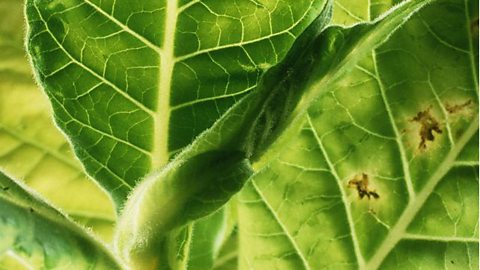
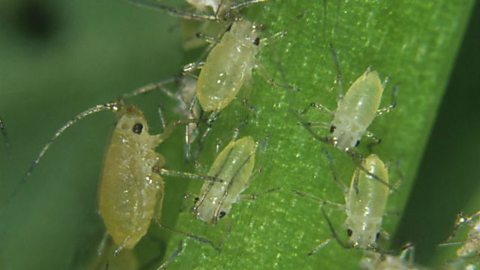
The symptoms of common plant infections are shown below.
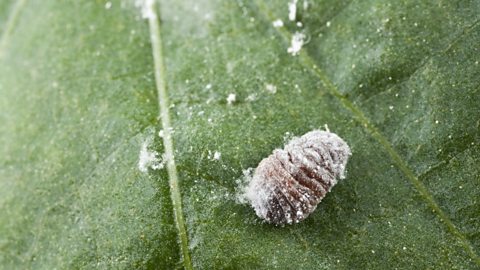
Image caption, Symptom and example of disease
Stunted growth from mealybugs
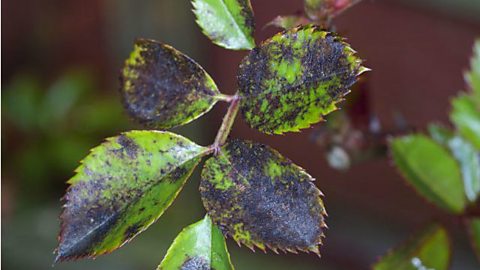
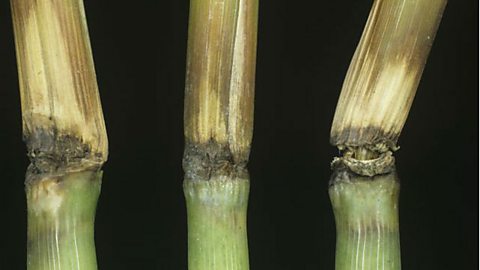
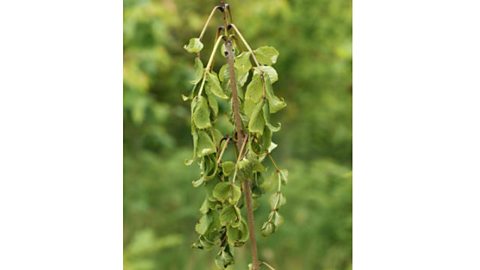
1 of 6
End of image gallery
Identification
Farmers and gardeners often use books and the internet to identify plant diseases. They can also take a small cutting of an infected plant (or a photograph of it) to a local garden centre, which have staff that can often help identify and treat the disease. For diseases that are more difficult to identify, cuttings of the plant may be analysed by scientists in laboratories using testing kits containing monoclonal antibodies.
More guides on this topic
- Communicable diseases - AQA
- QUIZ: Communicable diseases activity 1
- Treating, curing and preventing disease - AQA
- QUIZ: Communicable diseases: prevention
- QUIZ: Vaccinations and antibiotics
- QUIZ: Bacterial growth and drug discovery
- Monoclonal antibodies - Higher - AQA
- QUIZ: Plant disease
- Sample exam questions - infection and response - AQA
