Night of the Long Knives
30 June 1934
Many members of the SA, including its leader Ernst Röhm, were demanding that the Nazi party carry out its socialist agenda and that the SA take over the army. Hitler could not afford to annoy businessmen or the army, so the SS (Hitler's personal bodyguards) murdered around 400 members of the SA, including Röhm, along with a number of Hitler's other opponents like the previous Chancellor, von Schleicher.
This destroyed all opposition to Hitler within the Nazi Party and gave power to the brutal SS. It also showed the rest of the world what a tyrant Hitler was. This removed any internal Nazi Party opposition to Hitler.
Hitler becomes Führer
19 August 1934
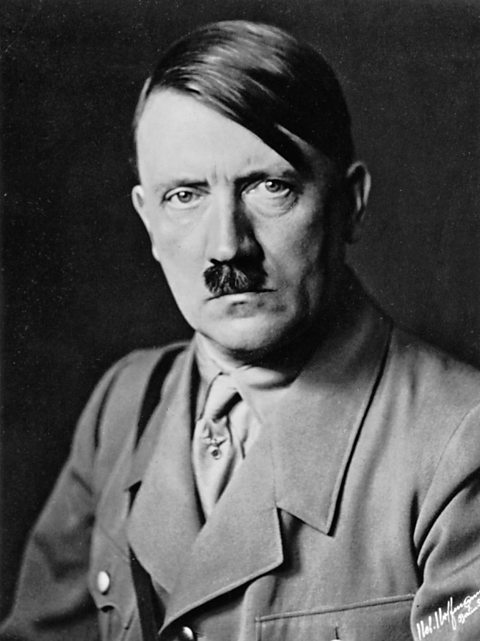
After Hindenburg died, Hitler declared himself jointly president, chancellor and head of the army. This formally made Hitler the absolute ruler of Germany.
Members of the armed forces had to swear a personal oath of allegiance not to Germany, but to Hitler. This neutralised any sources of opposition to Hitler within the army.
