Vocal range exercises
There are several exercises you can do to extend your vocal range:
Sliding scale
Start on a low note and slide your voice up the musical scale as far as it will go. Then try it the other way round. Practising this technique regularly will help extend your voice at either end.
Hustler technique
This is a singing exercise that stretches and then relaxes the vocal cords, which leads to a wider range of pitch. You shouldn’t attempt this exercise unless you are supervised by an expert as it could strain your vocal cords if attempted incorrectly.
Picturing your vocal cords
Try and picture your vocal cords at the back of your throat. You should be able to feel them tighten as you speak. On a steady breath, breathe out across the vocal cords with a very low and sustained breath so that they vibrate. You’ll make a sound like a death rattle. Practise controlling the speed and frequency of the vibrations so that the rattle ‘clicks’ at varying speeds. This is a good technique for loosening your vocal cords and can heal a tired voice.
Now try doing the opposite so that you pull the air inwards and over your vocal folds. You should make a noise somewhat like a dinosaur! Pull the air back over your vocal cords as tightly as you can so that the sound goes higher. This tightens your vocal cords and can help extend the range of your voice at the upper end. Always be careful not to strain your voice and to finish with the first exercise to relax your cords again.
Diction and articulation
Diction means clarity of speech. An actor with good diction speaks in a way where all their words are well pronounced. In order to have good diction you must have good articulation. This is the ability to make every sound and consonant clear, so that individual letters are not lost within words and they are sounded correctly. Think of the actors you admire who have excellent vocal skills; what makes their performance so memorable? Actors Alan Rickman and Joanna Lumley are well known for their vocal skills. Not only do they have a rich and pleasant tone to their voices, they also have excellent diction and articulation.
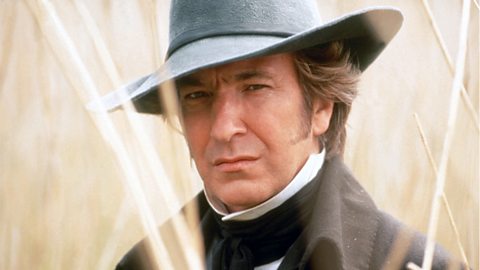

The sound an actor makes in a theatre auditorium needs to carry well. Consonants such as the letters ‘t’ and ‘d’ are easily lost at the end or in the middle of words. This can affect clarity.
Actor Adrian Lester focuses on diction and pronunciation exercises in a clip from
