Analysing fiction
Fiction text types – WJEC
Fiction texts are examples of writing that use language in a highly creative and artful way.

Setting – WJEC
The setting of a text includes the location and time when events take place. Setting can be play a crucial part in how effective a text is.

Themes – WJEC
Themes are the main ideas that lie beneath the surface of a text. When working with a short extract of a fiction text, it helps to look closely at the language to work out the themes.
Characterisation and narrative voice – WJEC
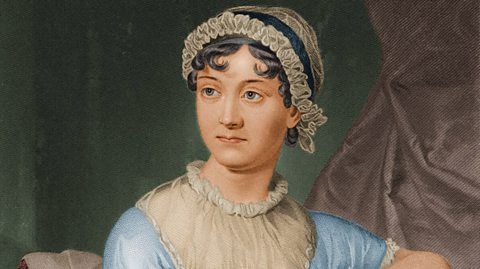
Characters in texts are developed through what they say and do, and the language used to describe them. Voice means the tone of a narrative.
Language and structure – WJEC
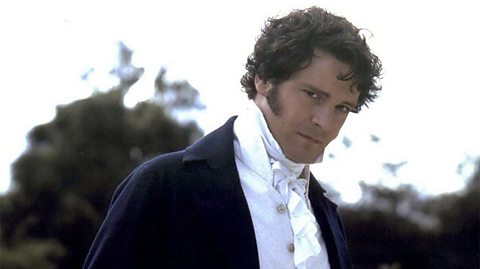
Language (words, imagery, dialogue) and structure (how a text is put together) are the methods used by authors to create effective characters, stories and themes.
Annotating texts – WJEC
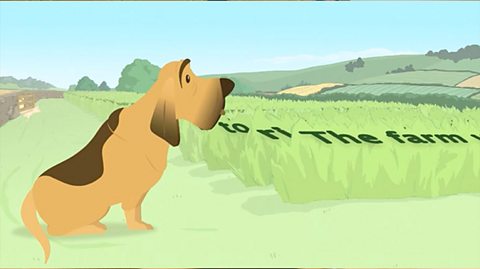
Annotating texts is a useful way to make notes whilst reading. Colour coded highlighting can help you organise your ideas.

Responding to a fiction text – WJEC
In an extended response essay to a fiction text you can talk about character, setting, themes and language. You should also explain the effect that a text has on you.

Sample exam question and answer – WJEC
An example of the type of question you might be asked in the exam and how best to approach it.

Analysing non-fiction
Non-fiction text types – WJEC
Non-fiction texts come in many types, and have many different purposes. They surround us in everyday life but can also come in more sophisticated forms.

Context – WJEC
The context of a text is the place and time in which it was written, who it was written by, and where it was published. All of these affect the purpose and effect of the text.

Purpose and audience – WJEC
The purpose and audience of a non-fiction text can explain why writers have chosen particular language or laid out text in a specific way.

Language and structure – WJEC
By changing language and structure, writers can convey meaning, create interest, and show a particular viewpoint. Language and structure also change according to text type.
Responding to a non-fiction text
In an extended response essay on a non-fiction text you should show your understanding of text type, audience and purpose, and how the author has used language and structure.
Sample exam question – WJEC
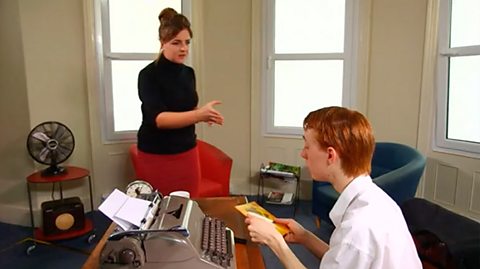
An example of the type of question you might be asked in an exam and how best to approach it.

Comparing texts
How to compare texts – WJEC
Comparing texts can focus on any aspect of the writing. When writing a comparison, it is important to move equally between the two texts, and write about them together, not separately.

Sample exam question – WJEC
An example of the type of question you might be asked in an exam and how best to approach it.
Writing
Context, audience and purpose – WJEC
Before planning any writing, consider the context, audience and purpose. You can then make choices about layout, style, language and structure.
Writing fiction – WJEC
Writing fiction involves coming up with creative and original ideas to develop interesting pieces of writing. Find inspiration in your own experiences and the real world.
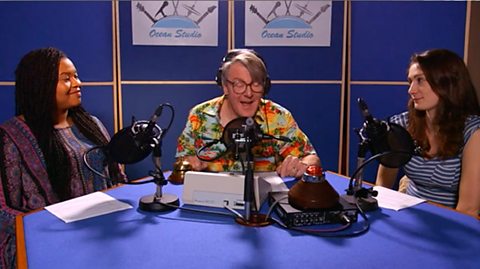
Writing non-fiction – WJEC
Writing non-fiction texts usually means writing about facts or opinions. Many non-fiction texts come with conventions of language, form and structure.

Planning – WJEC
The key to a successful piece of writing is the planning. It helps you to select vocabulary and order your paragraphs. You should also plan in time at the end to proofread your work.
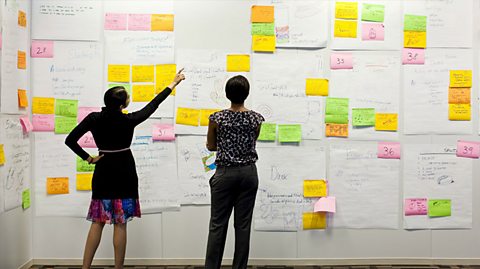
Organising information and ideas – WJEC
Structuring work well allows your reader to follow the processes behind your ideas, and the overall direction of your text. Ideally, each paragraph should take you a step closer to your conclusion.

Literary techniques – WJEC
Techniques are used by writers as an attempt to make the reader think in a certain way. These techniques can be used to intrigue, inspire, persuade or simply convey information to the reader.
Vocabulary – WJEC
Vocabulary helps to create a particular style, tone or emotion for your reader. By showing ambition and creativity with your vocabulary, you can make your reader laugh, cry or think about an idea.

Spelling, punctuation and grammar
Spelling – WJEC
English spelling can be tricky to master, partly because of the many influences on the English language over time. Luckily, there are strategies to help you remember correct spellings.
Punctuation – WJEC
Using punctuation effectively means that your reader can make sense of your writing, It can also help create a particular effect to give your writing depth.

Grammar – WJEC
Grammar refers to the structure of language and how different words fit together. Knowing something about English grammar rules should help you to construct clear and meaningful sentences.

Spoken language
Speaking and listening – WJEC
Effective face-to-face communication means thinking about audience and purpose. Generally this means using Standard English, listening carefully and being polite and co-operative.

Personal presence – WJEC
Face-to-face communication includes the words you say and, more importantly, the way you say them. Eye-contact, gesture and posture can all add to the impact of your talk.
Voice – WJEC
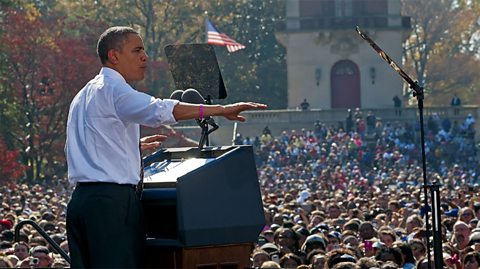
How you speak affects the meaning of your words. Varying your tone, volume and pace can help engage a listener.
Individual researched presentation – WJEC
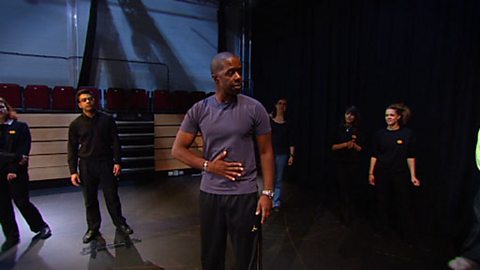
In an individual researched presentation you will need to give a presentation in front of an audience. You’ll need to research your topic beforehand and may need to answer questions from the audience.

Responding and interacting – WJEC
Responding and interacting requires you to participate in a group discussion. You must be able to share your opinion as well as respond to the opinion of others.

Links
- External linkExternal link
- External linkExternal link
- External linkExternal link
- External linkExternal link
- SubscriptionSubscription
