
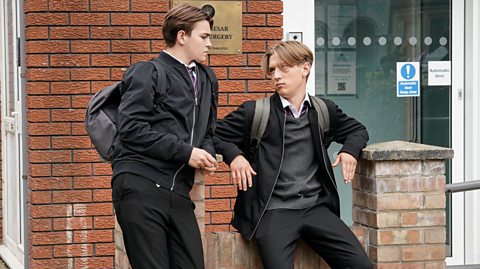
On EastEnders at the moment a young male character, Joel, is caught up in the 'manosphere'.
The 'manosphere' is a collection of blogs, influencers and forums advocating the idea that men are superior to women and that women ought to be subordinated to them. Now, EastEnders cast members who are part of this storyline are looking into the misogynist content in the real world that's informed the plot of the show.
In the documentary EastEnders Investigates: The Manosphere they're hearing from those with lived experience and expertise in the field as well as discovering how easily a teenage boy can be fed this content by social media algorithms. Their stories and understanding can help us all get to grips with this online world, the effect it can have and what we can try to do about it.
“No, no, no, I'll do it, I'll do it”

Roxy who is 22-years-old had real experience of this kind of online misogyny when she was just 13. An older, popular boy at school started messaging her, “I'd never spoken to him before and I was incredibly flattered”. Seeing how impressed her friends were and how amazing the attention made her feel gave Roxy a real boost. It didn’t take long however for the boy to start asking Roxy to send him nude pictures.
Initially Roxy refused but he broke contact, leaving her feeling rejected, like she’d been punched. Then he said if she didn’t send photos he would tell everyone she was “frigid”.
“Growing up, it's so manipulative because you don't want to seem frigid to anybody else. So then when you get threatened with it you're like no, no, no, I'll do it, I'll do it. I think I was trying to persuade myself that sending a photo could be empowering.”
Roxy says during this period she often went to bed feeling alone and disgusting. Eventually she realised she couldn’t handle the situation and stopped sending the photos. She didn’t tell anyone what had happened, but the damage was already done.
“He sent me four photos he already had of me”
A few weeks later another boy in the same year group started messaging Roxy, also asking for nude photos. She ignored him at first “and then he sent me four photos he already had of me,” she says.
“There isn't even a metaphor I couldn't use to explain what it felt like. It literally did feel like everything just came crashing down. This guy completely owned me from that moment because the idea of anyone finding out and getting those photos, just, that couldn't happen.”
Soon after it became obvious to Roxy that the photos were already being spread widely around her school. Teachers found out and called Roxy’s parents. Roxy says her Mum was told she’d been sending nude photos to boys and Roxy was punished for breaking the school tech code of conduct. The next three years were incredibly difficult for Roxy:
“I couldn't look in the mirror because I was so disgusted by myself. If I'd gone for help and just spoken to one person, then it could have stopped. It would have saved me and my mum, like, years of just wasted time and pain.”
“They don’t care about you. You’re a number on a screen”
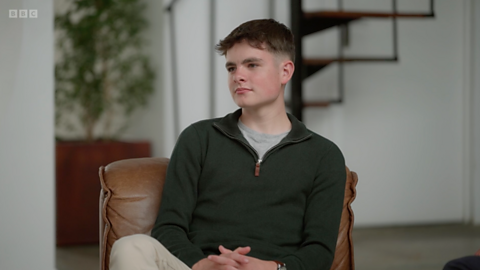
Understanding how boys come across misogynistic content in the first place is also important. Josh is 15 and says manosphere content started appearing on his feed when he was just 12. Interestingly Josh says that aspects of the videos did positively affect his life and made him think about his health and future career.
But the misogynist messages did start to invade his thinking, as Josh says “when you are surrounded in that space because you're watching that content slowly and slowly, even though consciously you're thinking oh yeah this is just a it's a bit of a joke this is just banter, you're actually finding yourself reinforcing those ideas,”.
Josh says although his initial response was to laugh at the content, it’s hard as a young teenager to get past the idea that these influencers have got loads of money and that their lives are made to look very appealing.
Ultimately Josh says he came to understand that although the influencers often frame their views as the path to success he came to realise through talking to adults and other friends that it’s not really about that.
“They don't care about your success. They don't care about you. You're a number on a screen.”
It’s about making women ‘the villains’
Professor Harriet Over from the University of York is a psychologist who studies online misogyny and the manosphere. She says a lot of the content and the language used within the manosphere is about creating the idea that women are “the villains” and can be blamed for anything boys are finding difficult.
Professor Over says that these sites target boys at a really vulnerable stage in their development, when they're just starting to think about dating. A tricky time for anyone, she says, but these influencers use it as an opportunity to help boys and young men feel they can blame any feelings of rejection or humiliation on women.
“When you're in these online spaces it can feel like everyone agrees with these views. The manosphere didn't invent misogyny, it's been with us for years but we are seeing this worrying increase,” she adds.
In most cases, according to Professor Over, boys don’t go searching for this content, they come across it when looking for other things like gaming, fitness or self-help content. It’s designed to make them want to click on it and then social media algorithms show them more and more similar stuff.
What happened to Roxy was ‘beyond my imagination’

Roxy’s Mum says what happened to her daughter was something she didn’t even think to warn Roxy about.“It was beyond my imagination that Rox would get coerced or blackmailed but when we did finally speak about it, I realised that I had made a real error.”
She says they discussed the dangers of drinking and taking drugs when Roxy started going to parties and made it clear that she would never be in trouble for asking for help. But what she hadn’t talked to her daughter about were the dangers of the online world.
“It goes back to her being vulnerable at 13 in her room with her phone, wanting to belong. I know what happened to Roxy was extreme, but I think about all those teenagers sitting in their room with their phone.”
Roxy’s Mum says often parents give their children phones to keep them safe but they also need to know that when things go wrong in that world “we're there for them”.
Tips for parents
Be kind to yourselves and your children - this content is designed to be addictive.
When your child tells you they’ve seen something they shouldn’t open up a conversation, explain to them it’s not their fault and help them understand what they’ve seen in context.
Do a weekly content review - talk about three things they have seen online and how they make them feel.
Think about your own social media habits - if you are banning tech from the dinner table and bedroom should that apply to you too?
Encourage them away from big online groups, like full class WhatsApp chats, and from posting anonymously - this can enable bad online behaviour.
Help them understand how algorithms work, what an echo chamber is and how to spot disinformation.

For more information:
Bitesize Study Support have this article and podcast: What is toxic masculinity?
BBC Action Line has links to organisations that can offer some support.
More from BBC Bitesize Parents' Toolkit…
Bitesize Parenting
Fun activities, real-life stories, wellbeing support and loads of helpful advice - we're here for you and your child.

How to manage school group chats? A guide for parents
Expert tips for parents on managing the school group chat - and helping your child to be safe on their own chats.

How technology has made parenting more difficult and how to navigate it
BBC Bitesize Parenting looks at how widespread access to the internet for our children is causing clashes at home, with negative and positive aspects.

Roman Kemp: The Fight for Young Lives - mental health tips for parents
An exclusive film for Bitesize Parenting sees Roman Kemp remember how his mental health dipped in his school years and sharing the signs he observed and how he talked to his parents about his struggles. Two mental health experts offer additional advice.

How to chat with your child about their mental health
Tips for parents on starting a conversation with a child about their mental health - and following up on the chat.

How to manage your child’s online world without clashing
Children and teens spend lots of time online for school and leisure, which can be a worry for parents. Here's some advice on managing your child’s screen time.