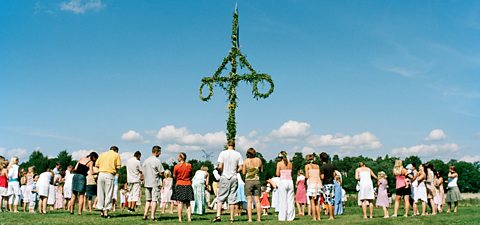
What is the summer solstice?
The summer solstice is the longest day of the year, giving us a chance to take advantage of added sunlight in what is set to be amongst the wettest summers on record.
It is widely celebrated across the globe, but as with any event of cultural significance, the solstice has accumulated many a myth and folktale over the years.
So we're here to set the record straight, and help you sort the truth from the myths this summer solstice.
When is the summer solstice 2025?
The summer solstice will take place on Saturday 21st June at 03:41 (BST) in the UK.
While we will reap the benefits of added daylight across the whole of the day, this is the exact moment at which the northern hemisphere is most tilted towards the sun.
Is the summer solstice the hottest day of the year?
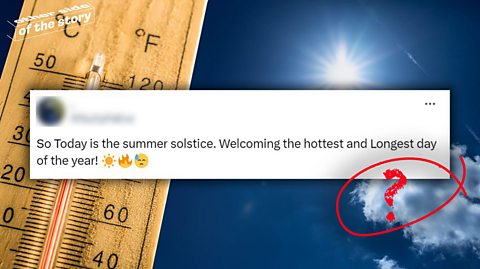
It's a myth!
While the summer solstice may mark the longest day of the year, it does not make it the hottest.
Generally, the light comes before the heat, meaning the hottest days of the year tend to come around three to four weeks after the summer solstice.
So fear not, while this may mark the return of shorter days, you might still have the added heat to look forward to.
Do some places get 24 hours of daylight during the summer solstice?
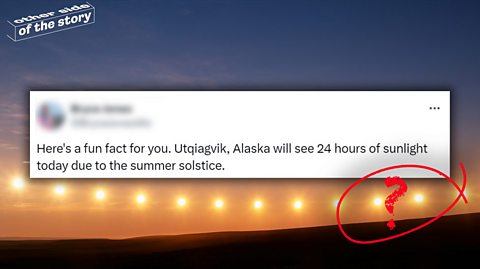
It's a fact!
Despite sounding a bit mad, this is actually true! Various areas in and around the Arctic Circle actually see 24 hours of daylight during periods of the summer, including sections of Alaska and Northern Norway.
The phenomena, known as the Midnight Sun, gives the appearance of an endless sunset during the night, before the sun begins to rise again as morning arrives.
Was Stonehenge built to align with the sun on the solstice?
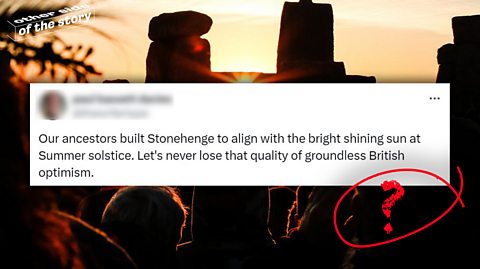
It's a fact…ish!
Britain's biggest celebration of the summer solstice takes place at Stonehenge, with crowds of up to 10,000 people gathering at the iconic monument to bask in the light, and for good reason too!
English Heritage, the charity responsible for managing Stonehenge, claim that the monument was built to align with the sun on the summer and winter solstices, with sun rays shining right into the heart of the stone circle.
Some people dispute this, however, believing the monument to have originally been built as a burial ground. Other theories about the origins of Stonehenge include that it was built by mythic wizard Merlin, or even by some form of alien lifeform!

Not sure if the news you’re seeing on social media is true or false? Can you always tell if the things you see online are real or fake? Learn how to get the other side of the story with our quizzes, videos and explainers.