BBC Scam Safe week is back for 2025 and runs from Saturday 22 November. This year it is bigger than ever, with programming and content across the BBC dedicated to highlighting some of the most common scams. There will also be plenty of advice about how you can protect yourself from falling for them.
A recent survey by Vodafone found that that nearly a million young people in the UK had been scammed in the previous 12 months. So it's not just adults that fall for scams. Teenagers and children can also be targets for criminals.
We've taken a closer look at three common online scams targeted at younger people. We've also got lots of advice for you and your youngster on how to stay safe and what to do if you think you're being scammed.


Be aware of in-game currency scams
The 2025 Ofcom Children's Media Literacy Report found that 89% of parents who were surveyed said that their child plays games on at least one device, highlighting the popularity of gaming amongst 3-17 year olds. The survey also found that 43% of parents of teenagers were worried about their child making in-game purchases, such as loot boxes and skins.
There are lots of legitimate in-game purchases, and ways for parents to set in-game controls to limit or stop spending on their child's favourite game. However, there are also plenty of scams that aim to take advantage of young people who want to unlock their favourite skin or accessory.
Newsround recently spoke to gaming YouTuber, Lammy, who said that you should "always beware of people offering you free currency if you give them your personal details. This is a trick scammers use to steal your money, game features or your account information. Don’t feel pressured to say yes and give away your information".
Cyber security firm, Norton, say that in-game currency scams can often be posted on an unofficial third-party website which asks for login info, you may also find them on social media posts with suspicious links. The offers will be for free or heavily discounted currency. Make sure you check official sources and do not input any personal information or click any link until you are certain it's legit. If an offer for in-game currency or items looks too good to be true, it probably is.
Stay safe from scam text messages
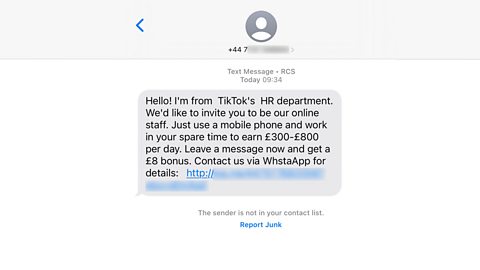
Scam text messages aren't exclusive to 'solar panel' companies and 'missed parcel' deliveries. Bitesize has seen evidence of a text claiming to be from TikTok's HR department containing a job offer, with the potential to earn between £300 an £800 per day. Texts containing opportunities like this could be attractive to youngsters who want to earn some extra money.
Scam Interceptor, Nick Stapleton, told us that you should never click on links in emails, direct messages or texts which you aren’t expecting. He said: "scammers don’t just use these methods for Trying to trick someone into giving out information over email, text or DM., there is also a chance that by clicking a link that you’ll end up with viruses or Computer software designed to do harm. which can damage your computer or phone."
Always be suspicious of what you see online, whether it’s in your email inbox, your DMs or sent to you publicly. Even if it seems harmless, it is better to be safe than sorry.
If your teen wants to earn money in a legitimate way, then check out Bitesize Study Support's tips to earn money for people age 16 and under from financial journalist, Iona Baine.
Look out for Labubu scams
If you've yet to experience Labubus, then let's bring you up to speed. A Labubu doll is a furry elf-like monster with pointed ears, and they've become one of the biggest toy trends of the last few years. With celebrity endorsements from the likes of Rihanna, Dua Lipa and Kim Kardashian, it's no wonder that the demand from children to get one has been huge.
Have your children been pestering for a Labubu, and if you do try and get your hands on one could you spot a fake? Our friends over at Bitesize Other Side of The Story have a guide on how to tell a fake Labubu from the real thing, it's worth checking out.
In September 2025 the Home Office revealed that of 259,000 fake toys seized by Border Force in 2025, some 236,000 were counterfeit Labubu. Helen Barnham, deputy director of enforcement at the Intellectual Property Office, has warned that counterfeit toys are often linked to fast-moving viral trends like Labubu. She said: “we’re seeing criminals increasingly exploit viral toy trends, with counterfeit versions of popular products appearing within days of them going viral."
One of the biggest concerns is the risk these fakes can pose to children’s health and safety. Helen told Other Side of The Story that counterfeit toys often haven’t undergone the rigorous safety testing required for genuine products and can pose serious safety risks to kids.
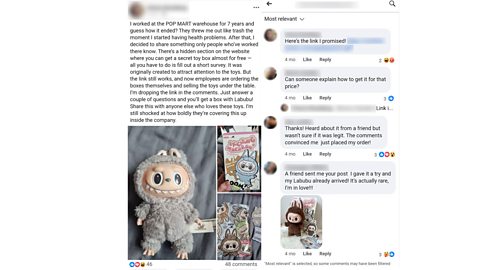
But it's not just the fake toys that you should watch out for, as scammers are also targeting unsuspecting fans of Labubu on social media. Posts have appeared online from disgruntled 'ex-employees' of Pop Mart (the company who make Labubu) offering deals for Labubu boxes in return for filling out a survey.
Laura Burgess from Staffordshire County Council’s Trading Standards Service said: "beware of people on social media pretending to be from legitimate companies, offering insider tips or knowledge or too good to be true deals." Laura recommends always being cautious when it comes to socials. She suggests checking the identity of the person or organisation behind any post you think might be a scam with an official or reliable source.
If you, or your child, are thinking of purchasing a Labubu, then make sure you do your research and buy it from a reputable retailer.
You can find more about BBC Scam Safe Week, with advice on what to do if you, or your child have been scammed on the BBC Scam Safe website. You can also find more advice on BBC Action Line.
More from BBC Bitesize Parents' Toolkit…
How to help your kids navigate the internet according to the experts
How can parents help support their child's online life? Advice from two experts on social media and young people.
How to manage school group chats? A guide for parents
Group chats can be a source of issues for children and parents alike, here are some tips to keep things safe and kind.

Five ways to manage your wellbeing as a parent
Expert advice for parents on looking after themselves so they can support their child.