It can be frustrating when your train is delayed or cancelled and there’s plenty of posts about it on socials, but of all the possible reasons, “leaves on the tracks” may be one that makes you scratch your head…
Have you ever wondered how these small things that fall from trees each autumn make such a huge impact on an entire rail network? BBC Bitesize Other Side of the Story has been finding out more.
How do leaves impact trains?
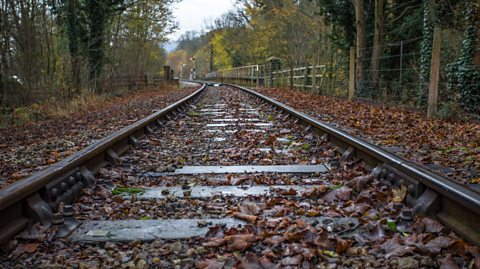
Autumn is often marked by the changing colours of the trees, a drop in temperature and the falling of leaves. According to National Rail, there are millions of trees next to railways in the UK and thousands of tonnes of leaves fall onto the tracks every autumn. When mixed with various weather conditions this can impact trains.
Network Rail - which operates railway systems in England, Scotland and Wales - says leaves are more likely to stick to the rails when it rains, and when train wheels go over the leaves, the heat and weight of the train compresses them to create a slippery layer known as mulch. It can be the equivalent to black ice on roads.
Why do leaves on tracks cause trains delays?
According to Network Rail reports, slippery rails caused by leaves make it harder for trains to operate, especially when braking and accelerating. Trains have to move at a slower pace and brake earlier, increasing journey times.
A build up of leaves on the track can interfere with signalling too, by blocking the electrical system which helps stations locate trains. This can have a knock-on effect, and result in other trains being delayed. Network Rail says that this is done to ensure a safe distance between trains.
Can leaves on tracks cause a complete shutdown ?
Leaves on tracks can cause a multitude of problems for trains, but there have been no reports of closures for these issues alone. There are measures that have been put in place by the Network Rail to combat this, like the Rail Head Treatment Trains or (RHTT) which are used during the autumn season to clean the railways.
These trains use a high pressure pump to spray water and they also apply an adhesion modifier to the track, made from a mix of suspension gel, sand and steel-shot. This helps improve the grip on rails and blast leaves off the track.
Train delays and socials
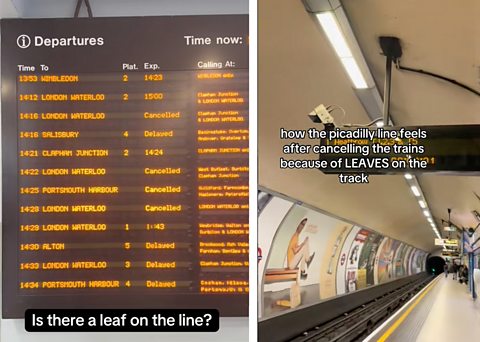
Posts on TikTok and Instagram often mock and dismiss the idea of leaves on tracks, with some even suggesting that it could be a myth. It’s important you do your own research and use verified, trusted sources such as Network Rail to check for information.
It’s easy to share and spread misinformation, so remember to fact-check your sources, and if you’re unsure, check out the resources on Other Side of the Story to help you sort the fact from the fake.
How can delays be reduced?
Yes. According to reports by Network Rail new methods are being used to help combat this issue. Everything from using AI to identify trouble spots on the railway and check if a section of a track has been treated to using dry ice pellets to blast leaves off the track. Leaf-blowing trains are also used to keep railways leaf free, along with drones which help to inspect railways by capturing images and videos of them.
This allows maintenance teams to identify where railways have been impacted by leaves etc, and focus on the areas that need more attention.
How does the weather impact trains?
Storms and strong winds can also create damage to overhead lines and cause flooding on the tracks damaging the infrastructure. This can create delays as trains must speed up and brake at a slower rate than usual. These damages can take days or weeks to repair.
This article was published in September 2025

Not sure if the news you’re seeing on social media is true or false? Can you always tell if the things you see online are real or fake?
Learn how to get the other side of the story with our quizzes, videos and explainers about media skills and viral trends including popular food myths.


Other Side of the Story
Back to our homepage for more quizzes and explainers about fake news, viral trends and media skills.