The nation loves a good old brew, but not the one you're thinking of! Coffee is loved by many around the world with Brits drinking a whopping 100 million cups every day.
It’s also hugely popular on social media with 17.8 million posts on TikTok using the hashtag #coffee. It's a widely discussed topic, so there's plenty of facts, myths and even misinformation being shared online.
So, does coffee remove dark circles? And does decaf really mean caffeine-free?
When is International Coffee Day?
International Coffee Day is celebrated on 1 October every year, and aims to showcase the coffee sector’s diversity and quality, and support local farmers who depend on the crop.
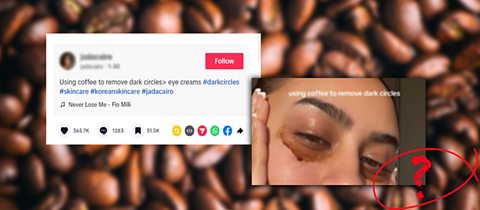
This TikTok post went viral in 2023, with over 360k likes supposedly showing how coffee grounds can reduce the appearance of dark circles. The hack quickly became trended with many people trying it out for themselves and sharing it on social media.
Some skin experts and content creators disputed the claims on their socials, saying coffee grounds on the under-eye area could cause irritation, inflammation and other skin issues.
There’s some evidence that certain formulations and coffee by-products could help to minimise dark circles when applied to the skin, as a result of something called “vasoconstriction, which constricts the blood vessels under our eyes, but the effect is likely temporary, and there’s been no reliable clinical trial evidence that supports the use of raw coffee grounds under the eye area.
When on social media it’s important to get information from a variety of trusted outlets and use reliable sources when seeking medical advice.
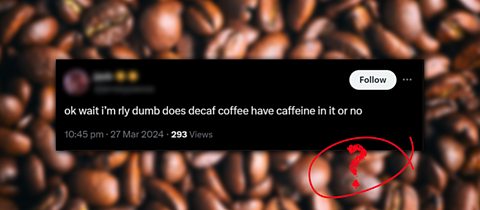
This is a myth. Decaffeinated coffee still actually contains some caffeine, however studies have shown that the amount of caffeine in a decaf coffee is minimal.
Researchers from the British Coffee Association found that the process of extracting coffee, called “decaffeination”, removes most of the caffeine - about 97% - but not all of it.
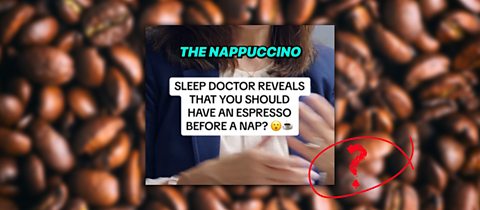
What is a "nappuccino"?
The term “nappuccino” circulated around social media when Dr Cheri Mah, sleep expert at the Stanford Sleep Medicine Center, explained the method on a popular UK podcast, Diary of a CEO in 2024. The TikTok clip discussing the method reached over 1.3 million views.
Research has found that caffeine takes 15 to 20 minutes to kick in, so the “nappuccino” - a quick power nap after a coffee - could provide a feeling of alertness and increased high energy levels for some people, according to Dr Mah.
When reading or watching content about food and drink online, make sure you only consider nutrition and health advice from trusted sources and professionals. It’s always worth exploring alternative points of view and opinions to get the full picture and help ensure you’re not being biased, misinformed or in your own echo chamber.
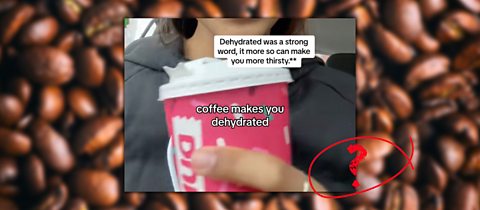
This is a myth. Research conducted by Dr. Sophie Killer at the University of Birmingham, published in 2014, found that a moderate consumption of coffee did not affect hydration levels - and according to Niamh Hennessy, lead dietitian at Cromwell Hospital caffeine is thought to cause dehydration, but this effect is small. In fact, the amount of water you consume in a cup of tea or coffee still counts towards your daily fluid intake.
Caffeine is a mild diuretic, which means that it increases the amount of urine the body produces. Dehydration can easily happen when you have diuretics so this why some people believe this is true.
There’s also conversations online about caffeine giving you wrinkles, due to caffeine being a dehydrator which can lead to premature fine lines.
However, wrinkles form when there is a decrease in skin elasticity and collagen which happens as you age but can be sped up from multiple lifestyle and environmental factors.
When looking at health sources online it's important to use a variety of trusted sources, like the NHS. It's good to know how to spot a fake story or how to fact-check your sources.
This article was updated in September 2025

Not sure if the news you’re seeing on social media is true or false? Can you always tell if the things you see online are real or fake?
Learn how to get the other side of the story with our quizzes, videos and explainers about media skills and viral trends including popular food myths.
Is gel nail polish being banned?
The EU has new rules regarding gel nail polish and its ingredients
Other Side of the Story
Back to our homepage for more quizzes and explainers about fake news, viral trends and media skills.