Colds and flu are never fun, whatever the season, but during the winter it can feel like everyone around you is suffering with the sniffles. You want to go on family days out and head to school and work as normal but instead you're coughing and spluttering on the sofa and cancelling plans.
Both colds and flu are viral infections that affect your respiratory system but they're caused by different viruses. And if you've had the flu you'll know that it's much worse than a cold.
Symptoms of a cold - a runny nose, sneezing and irritated throat - usually occur gradually. But with flu the symptoms come on rapidly. You'll usually also have a fever or body aches too and it's common to be extremely tired.
We hear a lot about the things you can do to protect yourself against winter bugs - so here at Bitesize Parenting we decided to ask an expert what really works, especially for children. NHS GP Abbie Brooks, who is a GP partner at Priory Medical Group in York, gave us her top tips on staying well in the winter months.
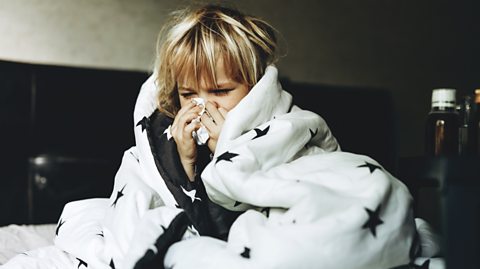
Wash your hands properly
Colds are spread by germs from close contact and respiratory droplets - so from coughs and sneezes. These can live on hands and surfaces for 24 hours, making washing your hands vitally important in the fight against getting ill this winter.
As Dr Brooks says: "Washing hands is up at the top of the list.”
It’s a good idea to wash your hands regularly and especially after blowing your nose, sneezing or coughing. Apply enough soap to cover your hands and make sure you’re cleaning in between the fingers, the back of your hands and the palms.
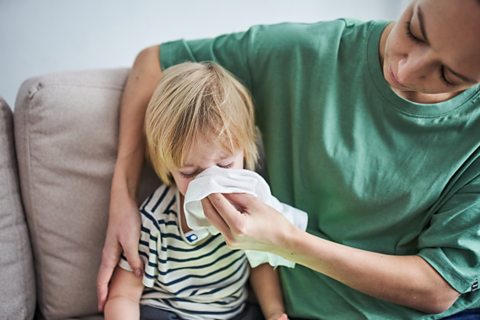
Have a tissue to hand
Make sure you’re prepared for a sneeze or a cough by having a tissue at the ready. Covering your nose and mouth when sneezing and coughing can reduce the spread of infections.
If you forget, cough or sneeze into the inner elbow rather than into your hand.
Dr Brooks says: “If you blow your nose or sneeze or cough definitely don’t use your jumper to wipe your nose! Use a tissue and then make sure you dispose of it.
“If not you’re just spreading those germs, especially in a school room with 30 people in it.”
Make sure you get all your vitamins
Your body needs vitamins and minerals to work properly and stay healthy.
Dr Brooks says: “Vitamins and minerals will help build a healthy immune system. Getting them in your diet is by far the best option but there’s also very good multivitamins out there. And drink plenty of water, as many children don’t drink enough.”
Check out fifteen easy and nutritious lunchbox ideas
Advice on how to get your child to drink more water
Five tips for helping your kids to eat healthily all year round
Get outdoors when you can
It can be tempting to stay tucked up warm indoors during the colder months. Yet while it’s important to stay warm in the cold, a little bit of fresh air can do you good.
That also applies to opening windows – and while fresh air moving through a room will not stop you from getting a virus, it can help.
Dr Brooks says: “Spending time outside – when it’s not awful weather – is also important because there is better ventilation. A lot of people think it’s better to wrap up warm indoors but actually with fresh air you’re less likely to catch something.”
Don't forget the flu vaccine
The children's flu vaccine helps protect against flu and is offered on the NHS across the UK every autumn or early winter. It is recommended for children aged 2 to 3, school-aged children (from reception to Year 11) and children with some long-term health conditions.
Younger children usually have the vaccine through their GP, with reception years and up having it in school.
Dr Brooks says: "Children can get really poorly from flu, but also even with mild symptoms, can pass it on to more vulnerable people. So I would definitely recommend children get the flu jab. It's usually via the nose and doesn’t involve any needles."
The NHS's current advice on the flu vaccine for kids says: "Children can catch and spread flu easily. Vaccinating them also helps protect others who are at higher risk of getting seriously ill from flu, such as babies, anyone who's pregnant and older people."
This article was published in December 2025

Bitesize Parenting
Fun activities, real-life stories, wellbeing support and loads of helpful advice - we're here for you and your child.

Bedwetting in older children - when to worry
Bedwetting can be distressing for you and for your child. Here's some expert advice on how you can help an older child cope with this issue.

Five ways to get your child’s sleep back on track
Sleeping is difficult for many of us. For children, a good night's sleep is extra very important and here are some tips to help get kids into healthier sleep patterns.

6-7 and the 'secret' language of kids
Have you noticed your teens – or younger kids - laughing and doing a hand gesture every time the numbers 6 and 7 come up in sequence? Bitesize parenting has delved into the world of teen slang and memes to help parents understand

School anxiety and refusal: How to help your child get through tough times
Tips to help parents understand emotionally-based school avoidance and offer support to their child.
Five tips to support the after-school ‘meltdown’
Expert advice on how to cope with after-school restraint collapse as a parent.