Waking up wet can be really embarrassing and upsetting for older children. It’s also tricky for parents to know what to do to help, and what to say for the best.
Tricia in Glasgow who has a nine-year-old boy is having this exact problem. Tricia told us although her son goes to bed regularly at 10pm and sleeps right through he does wet the bed at times.
Bedwetting is sometimes called nocturnal enuresis. According to the charity Bladder and Bowel UK it’s a very common issue, affecting approximately 20% of five-year-olds and around 10% of seven-year-olds. It’s not considered to be a medical problem until children turn five.
Like many parents who are dealing with this Tricia told us she does make sure that her son goes to the toilet before he sleeps and tries to limit drinks at bedtime. Beyond that though, it can be tricky to know what to do. “I really don't know how to support him with this,” she said.
To find out more, and get some practical tips for parents like Tricia on managing bedwetting in older children, Bitesize Parenting spoke to Brenda Cheer, a Paediatric Bowel & Bladder Nurse from ERIC, the children’s bowel and bladder charity.

When should you worry about bedwetting?
Brenda told us bedwetting is common in childhood – and in fact it is completely normal in children under five. There are three main reasons why children wet the bed:
- Their bladders don’t stretch enough to hold all the wee they make at night
- They produce too much wee at night
- They don’t wake up when their bladder sends a signal that it’s full
Children’s bedwetting can be caused by one or more of these reasons. The good news is, they all are treatable. If you or your child are worried about it, Brenda says to remember that bedwetting is normal and can remedied.
How to talk to older children about bedwetting?

Because wetting the bed is something that happens when we’re fast asleep and therefore outside our conscious control, older children do sometimes worry about it.
Brenda said it is common for older children to deny having wet the bed, and they often don’t want to talk about it. They might also try hiding wet sheets to cope with the embarrassment.
“Bedwetting is nobody’s fault. It doesn't happen because children are lazy or being naughty. Living with it can make children feel sad and embarrassed. It’s important to be sensitive and never punish your child for having an accident.”
As a parent what can you do to help?
The good news is you don’t have to just wait for it to get better, Brenda told us there are plenty of things parents can do. Initially she suggests parents complete the following checks to work out if there is a problem with your child’s bladder and if they’re drinking enough.
Check your child’s poo
Constipation, which can happen a lot in childhood, can cause bedwetting. A full bowel means the bladder has less space to expand, meaning it can’t hold much wee and the wee leaks out. There is a poo checking guide on the ERIC website. If you suspect this is the problem, see your GP. We've also created our own guide to what your child's poo says about their diet.

Could it be a Urinary Tract Infection (UTI)?
To check this, you need to have a good look at your child’s wee - ideally (depending on the child’s age) help them or get them to catch some wee in a container placed in the toilet. The wee should not be smelly, or cloudy, or bloodstained. If it is, see your GP as an undiagnosed UTI could be the problem. This guide to wee colour may help you and your child keep track.
Could it be an underlying health condition?
In some cases bedwetting can be a sign of a health condition. So it is worth considering medical causes - for instance it can be an indicator of diabetes. If your child starts wetting the bed after being dry for 6 months see a GP.
For more information:
Diabetes UK has a symptoms checker
What is diabetes? James Norton's advice for parents on their child's diabetes diagnosis
Get the drinking right
This feels counter-intuitive but make sure your child is drinking plenty of fluid. They need to be spreading their drinks out across the day. It’s important to stick to water, milk and well diluted squash or juice, caffeinated drinks should be avoided.
Help them relax
Is your child able to relax when they go for a wee? Check that they can sit comfortably and feel at ease when using the toilet. This will help them fully empty their bladder.
What's best to do overnight - in practical terms?
It’s hard to know what to do as a parent when trying to help an older child who wets the bed. Getting up in the middle of the night to change bed sheets disturbs everyone’s sleep, not to mention all the extra washing. Should you wake children before they wet the bed, or are pull-up pants the answer? Here are Brenda’s top tips on what to do at bedtime and overnight:
Once you’re sure your child is drinking plenty during the day, work on a good bedtime drinking routine. Stop all drinks an hour before bedtime.
Make sure your child has time to go to the toilet when they’re getting ready for bed. If they’re still not asleep half-an-hour later, ask them to pop back to the toilet before they nod off.
Make sure your child is happy getting to the toilet if they wake up at night and that it’s not too dark for them. If they're in bunk beds make sure they’re in the bottom bunk. For younger children they can practise getting to the toilet at night or you can think about putting a potty in their room.
Invest in a waterproof mattress cover, and waterproof duvet and pillow protectors if your child is really wet. You can also use an absorbent sheet to contain the wee.
If you do use pull-ups, it could be worth trying a few nights without them - even if they're always wet. Try removing them for a week or two. This will help your child learn what it feels like to be wet when they wee and that might help them start to wake up.
Avoid waking your child to take them to the toilet in the middle of the night, sometimes called ‘lifting’. Brenda points out that while it might keep the bed dry, it also encourages the child to wee during sleep as they don’t really wake up.
Reward each step along the way – such as getting the drinking right, doing a bedtime wee and using the toilet at night.
What treatments are available?
If the bedwetting persists after you’ve checked your child has a healthy bladder and practised a good bedtime routine, then it’s time to see the GP or a nurse at a bedwetting clinic. Treatment is available from five-years-old.
You should keep a nighttime diary to bring to appointments as this will help your healthcare professional work out what’s going on and what the best treatment plan might be.
Possible treatments include:
- Using a bedwetting alarm: This is used if the bedwetting is caused by ‘poor arousability’, when the brain doesn’t recognise the signal of a full bladder during sleep. There are various types of alarm available, including some that use an app on your phone.
- Taking a medicine called Desmopressin: This is used when children don’t produce enough of a hormone called Vasopressin. We all produce this hormone at night, and it tells our kidneys to make less wee while we sleep. Not producing enough means you make lots of dilute wee at night.
What about on holiday? Or a sleepover or on a school overnight trip?
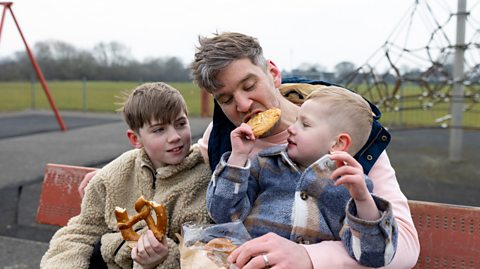
Brenda was keen to stress that bedwetting shouldn't stop your child from joining in with camps and sleepovers. Here is what Brenda suggests putting in place for a stress-free night away:
- Reassure your child that wetting the bed is common and there is a good chance they won’t be the only one on the trip who has accidents.
- Talk to the teachers/leaders - they will be able to support your child. You could ask them to make sure they have a bottom bunk, that they are reminded to go to the toilet or woken up first in the morning.
- There are lots of products out there that can help when you are away from home. Pads, pull-ups, sheet covers, special underwear and sleeping bag liners. Make sure you have tried them out before the trip.
- If your child is taking a sleeping bag, they could hide a pull-up or pad at the bottom. Putting their underwear and pyjamas inside the sleeping bag as well means they can get dressed for bed in private.
- Desmopressin can be taken for a one-off trip, but your child would need to try it beforehand to work out the right dose and make sure it helps them to be dry. Speak to your GP if you want to try this.
The children’s bowel and bladder charity ERIC have more information on their website.
This article was published in December 2025.

Bitesize Parenting
Fun activities, real-life stories, wellbeing support and loads of helpful advice - we're here for you and your child.

Seven tips on how to help your child deal with rejection
Tips for parents on how to help children deal with rejection, whether loneliness from social rejection, worries about academic rejection or rejection from sports and activities'.

Five tips to support the after-school ‘meltdown’
Expert advice on how to cope with after-school restraint collapse as a parent.

One in four children are bullied - what can parents do?
Psychologist Anjula Mutanda outlines how parents can spot signs of bullying, improve resilience and build confidence.
How can I build my child's confidence and resilience? - The Super Tutors
Natalie Costa, 'The Child Whisperer', explains how you can build a 'growth mindset' with your child.

Would they lie to me? What parents can do when children aren’t truthful
Learn what to do when your child tells lies, when to challenge their behaviour and how to help them be truthful in this BBC Bitesize guide for parents.