Everything you should know about vinyl records
The first 12 inch vinyl record was introduced all the way back in 1948, and despite a slight dip in popularity over the years, it has remerged as a popular way to listen to music.
From old school music purists, to influencers, to artists like Taylor Swift, there's a whole host of people working to keep vinyl in the cultural consciousness, with over 7.6 million units selling in the UK last year.
But how do records actually work, why are they so popular, and do they really produce the best quality sound? Well, here at BBC Bitesize, we've put together this guide to answer all those questions and more!
How do vinyl records work?
Vinyl records are a form of analogue sound storage, which use grooves and bumps that are physically etched into vinyl to recreate sound waves from an audio recording. But… what does that actually mean?
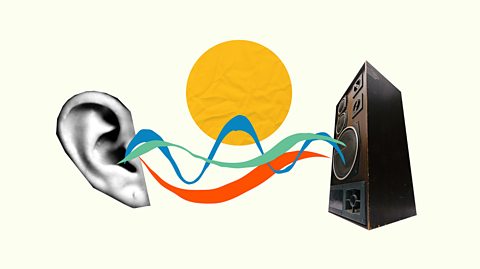
Well, to explain that, we've got to understand how we actually take in sound. Sound travels in waves, which are created by vibrations that travel through solids, liquids and gases - such as air or water. Our ears then take these sound vibrations from the air, turning them into signals which are sent to the brain. When the signal reaches our brain, it translates the signal into the sound we hear.
So, if sounds are just made up by vibrations in the air, then all we have to do is recreate those exact vibrations and we can recreate the sound. But how do records do that, exactly?
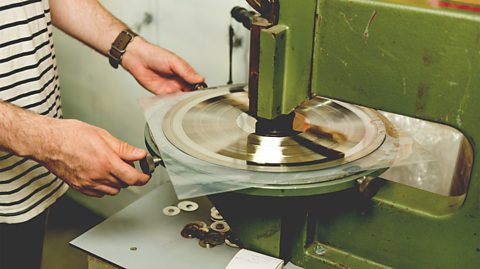
Well, first off, a completed song, or album, is played into a record cutting lathe. The sound waves produced by the music move a needle on the machine, which in turn cuts grooves into a thin disc.
Up close, these grooves look like a canyon or valley, and mimic the shape of the music’s sound waves.
This is used to create a stamper, which is a metal negative of the original disc that swaps out grooves for ridges. This is then pressed into soft vinyl to create the record itself. But how is that turned back into music?
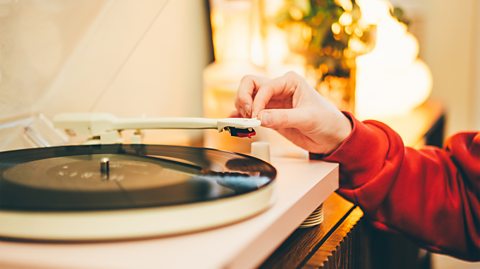
A needle - known as a stylus - is placed onto the vinyl whilst it spins atop a turntable (a record player). As it spins, the stylus moves along the grooves, which are cut in the exact shape of the original music’s sound waves.
This causes the stylus to vibrate at the same frequency as the original sound, creating the same sound waves as the song did when played into the record cutter.
These vibrations are then converted into an electrical signal, which is sent through to a speaker, where they are amplified and converted back into sonic vibrations.
These then travel through the air and to our brains, allowing us to hear music in the way the artist originally intended.
Learn more about the human ear and sound waves with this guide from BBC Bitesize.
Why are vinyl records so popular?
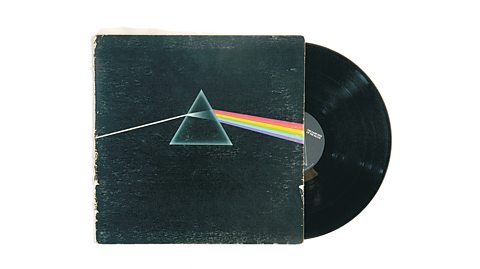
Vinyl has seen a resurgence in popularity in recent years, now seen as a fashionable or trendy way to listen to your favourite tunes.
Musically, vinyls are often regarded as having a warmer, more handmade sound than digital music, engendering a greater sense of nostalgia in those who listen to them.
For others, record collecting is a practice entirely separate from the music itself, with some preferring to use their vinyl collection as a display piece, much like a painting.
This is similar on socials, with record collection posts on TikTok and Instagram accumulating thousands upon thousands of likes.
You can learn how to play a record using a £5 note with this video guide from BBC Bitesize.
What other formats can I get music in?
While vinyl is amongst the oldest and most popular forms of music recording, it's far from the only way you can listen to your favourite tunes.
Streaming is the most popular modern medium for music, with platforms like Spotify and Apple Music swallowing up massive audience shares of online music consumption. These convert songs into binary data which is stored onto servers, and then converted back into sound waves when played through a speaker or earphones.
CDs were the pre-eminent medium for music consumption in the 90s and early-2000s, also transferring music into binary data which could then be read by a CD player and turned back into sound waves.
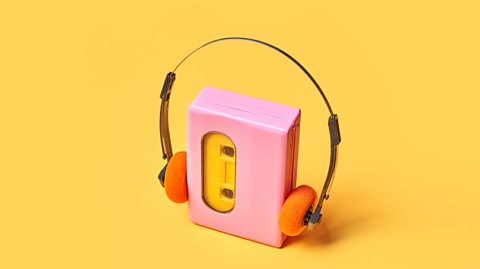
Other formats include cassette tapes, popular in the 70s, 80s and early 90s. These were often played through a Sony Walkman, which have seen something of a resurgence in recent years after featuring in popular franchises like Guardians of the Galaxy and Stranger Things.
Vinyl vs digital: What's the difference?
Vinyl and digital stand as the two most popular mediums for music in the modern age, with each having their own strengths and weaknesses for music fans.
The most obvious benefit of digital music, on platforms like Apple and Spotify, is portability. Unlike a record, digital music allows you to take your top tracks anywhere you want, all accessible through the press of a button on a smartphone or laptop.
Digital music also provides access to a much wider array of music, with a song published in one location available at the opposite end of the world just hours later. This can lead to people uncovering a deeper well of music, finding artists and songs that they may have never discovered when paying for a 12" disc.
Vinyls, by contrast, are less portable, but can create a greater sense of ownership and connection with artists. Musicians like Taylor Swift and Sabrina Carpenter are known for creating a number of different vinyl variants, with fans able to mix and match to put together their perfect collections. Furthermore, artists will usually take home a bigger proportion of vinyl sales than they would streaming money, which is particularly useful for smaller artists more in need of support.
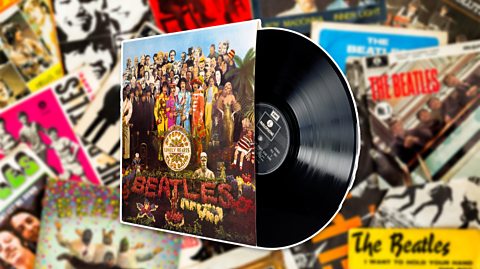
Vinyls can also be handed down, with some albums passed from generation to generation, creating a legacy all of their own. Vinyls also create more value than digital downloads. You may stumble upon an album which isn't worth much now, but becomes extremely valuable years down the line, like an original pressing of a Beatles album.
Does vinyl sound better than other types of music?
It's often suggested, that vinyl records simply sound better than other music mediums. For one thing, their analogue nature prevents the kind of data loss inherent in digital recordings, which have to shed some recording data in order to attain a manageable file size. Digital copies also lack the warm, crackly sound that comes with a good record, instead striving for complete auditory perfection.
Digital has its advantages too, however. Over time, a vinyl record will incur wear and tear, with the sound slowly degrading after years of play. Vinyl records also tend to sound worse at the end, as the stylus accommodates for a change in circumference. Furthermore, as a physical medium, vinyl can incur issues from poor pressing and mishandling which can affect the overall quality of sound.
Overall, however, it's basically a matter of personal preference. Sure, a vinyl record will degrade over time. It might become more poppy, or quiet, or more crackly than one may want. But inside those pops and crackles are stories and memories, now literally etched into the fabric of the record. For many, the sound of a vinyl record is simply warmer and more nostalgic, but as far as objective differences in sound go, there's really not much to split it.
