Love it or hate it, summer term means sports day is here. But before you pull on that PE kit and attempt to run the 100 meters faster than Noah Lyles and Julien Alfred…or just cheer semi-enthusiastically from the side lines (you do you)… you might want to read our sporty tips.
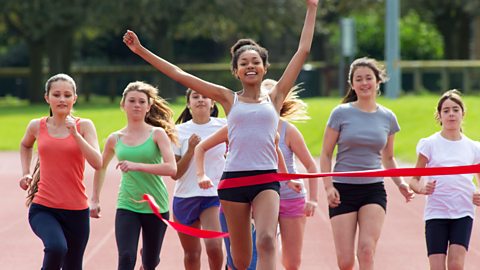
Give a new sport a go!
Making exercise a part of your life doesn’t mean you have to be the best – it’s more about having fun and being active. There are loads of benefits to keeping fit and exercising – it can improve your mood, reduce stress and even help your performance in school! But what if you think exercise just isn't for you?
Well it doesn't just involve running, football or going to the gym – there are a whole load of accessible, fun and free sports you could try out. You can find a list of popular sports here. If sports aren't your thing, then any physical activity that gets your heart pumping will help improve your fitness, and there are LOADS of ways to do just that! Think riding a bike to school, dancing, gardening or going for a brisk walk, anything that gets you active is better than doing nothing!
As well as all the health benefits, teacher Chloe Vethamony, told us that joining a club or trying a new activity can help you find like-minded people and some make new friends. This can especially help when you are starting at a new secondary school in Year 7.
Set yourself some exercise goals
Much like setting study goals, setting goals for your exercise will help you stay motivated, which can help you keep going for gold. Think about keeping a record of your activity – this will allow you to track your progress and see how far you've come. Share your achievements with others for that added confidence boost! Don’t worry about hitting your targets straight away. Every little helps and it’s more important to find an activity that you enjoy.
Exercise can help with studying
Did you know that exercise can boost your memory, improve focus and concentration, and increase energy levels? And all of these things can help with your revision and academic performance! Make sure you regularly take a break from your studies to do something active. If you're feeling tired whilst revising, taking fifteen minutes out to do something active is a great way to boost your energy levels, you'll come back ready to tackle those tricky topics with much more focus.

If you need support
You should always tell someone about the things you’re worried about. You can tell a friend, parent, guardian, teacher, or another trusted adult. If you're struggling with your mental health, going to your GP can be a good place to start to find help. Your GP can let you know what support is available to you, suggest different types of treatment and offer regular check-ups to see how you’re doing.
If you’re in need of in-the-moment support you can contact Childline, where you can speak to a counsellor. Their lines are open 24 hours a day, 7 days a week.
There are more links to helpful organisations on the BBC Bitesize Action Line page for young people.
How exercise can help your mental health
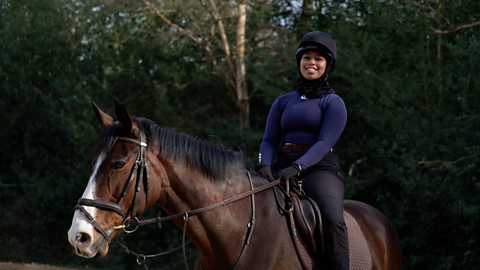
Jockey Khadijah Mellah talks about how exercise can help your mental health.
How exercise can help with revision
Team GB Olympic gymnasts Jessica and Jennifer Gadirova tell us how exercise can help with your revision.

Think exercise isn't for you? Think again!
Paralympian Thomas Young and jockey Khadijah Mellah tell us about some alternative ways we can exercise!