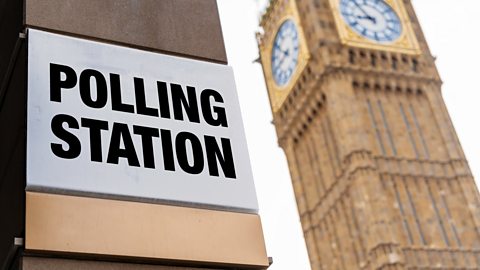
Have you heard the news? The voting age across the UK will be lowered in time for the next general election.
That means 16 and 17-year-olds will have a big decision to make, one that may affect their future and the future of the UK.
But it isn’t just at election time when you’re faced with tough choices in your teens. From picking your GCSE options, to working out how to balance school life with social life, and which friendship groups to be part of, life is full of decisions!
So how do you make great ones? We asked GP and BBC Radio 1 Life Hacks regular Dr Radha Modgil for her thoughts.
Dr Radha says: “We can all feel overwhelmed at times about how and when to make important decisions. We want to make ‘good’ choices for ourselves and other people around us. That is why it’s a great skill to learn and practice, so you can make the best ones for you!”
1. Think for yourself, have an open mind and know the facts
Dr Radha says: “It is easy for all of us to sometimes exist in an ‘echo-chamber’, especially because of our curated social media feeds. You are the best person to make a decision for yourself. Trust yourself.
That doesn’t mean you shouldn’t talk to other people, to your friends, families and acquaintances, and keep an open mind. The best decision makers are those who are open to changing their mind based on new knowledge and new information.
Make sure you read, listen to and watch content from different sources to make sure you are reducing bias and that you can get a well-rounded view. Also, question what you hear.”
Bitesize’s Other Side of the Story will arm you with all the tools you need to do this.
2. Be logical and be prepared
“Emotions are helpful but not always the way to make decisions in their entirety. Get thoughtful and work through things step by step. It can help to write down the pros and cons of different decisions that you could take, and importantly why you are taking those. What is driving you and what is your motivation?
Reflect on what a decision may mean for you, those around you and the world at large. Take your time and start considering the different options well before you must make a choice, so you don’t feel overwhelmed or rushed,” Dr Radha says.
3. Have no regrets and be empowered
Dr Radha continues: "Remember whatever decision you make, it will be the best one, because you made that decision to the best of your ability with the knowledge that you had at that time. There are no ‘wrong’ decisions or ‘mistakes’, only lessons and things to learn from to take into the future. So, no regrets!
Process any feelings that may come up and take decision-making one step at a time to avoid any overwhelm. Plus, talk to someone you trust.
Reframe your decision making from being stressful to being empowering. Decisions lead to action and action changes things. That’s an amazing power to have, so make sure you use it well.”
What impacts our ability to make decisions?
Dr Radha says: “There are lots of factors:
- our emotional state; if we are stressed, upset or angry
- our physical state; if we are tired, hungry or in pain
- our mental state; if we are multitasking, we don’t have the knowledge or information or skills we need to do so, or if we are confused and uncertain.
It can also be tricky because our brains don’t stop developing until we are about 25 years, or even a bit later. Science shows that our teenage brains work slightly differently than adults. Teenagers tend to use more of the reacting, emotional part of the brain called the amygdala rather than the frontal cortex which prioritises logic, plans and thinks about consequences.
In our teens the opinion of our friends, families, peers and those around us can sometimes feel more important when making decisions, as we often want to gain a sense of belonging and identity. On the other hand, we may also want to make our mark in terms of our independence. Sometimes we can make a choice just to rebel against what we are ‘expected’ to choose.
This doesn’t mean that teen brains aren’t more than capable of making valid decisions about ways to live their life and important choices about the world in which they live. And it doesn’t mean that adults don’t make decisions based entirely on emotion alone, aren’t susceptible to being swayed by what others are doing, or don’t ‘rebel’! They absolutely do!”
How can big decisions affect our mental health?
Dr Radha explains: “If we must make lots of important decisions all at once, and if we don’t have the information that we need or a trustworthy sounding board to bounce ideas off, then we can feel stressed and overwhelmed.
We may also feel anxious or worried in case we make a 'mistake'. That can prevent us from making any decision at all and keep us in a state of ‘stuck-ness’. Worry and anxiety can stop us from sleeping well and impact our mood because we just don’t know what to do.
Sometimes a big decision can lower our self-confidence or self-esteem as we think we ‘should’ be able to make a choice easily, or that we are the only one struggling with this and that can make us feel very alone.”
Remember, Bitesize Study Support is full of resources to help look after your mental wellbeing.
How do you get in the right frame of mind?
Want even more tips? You've got it! Dr Radha has some extra advice to get you in the right frame of mind next time you need to make a decision that matters. It involves tough love, a good diet and an intriguing fact about a former US president’s wardrobe.

If you need support
You should always tell someone about the things you’re worried about. You can tell a friend, parent, guardian, teacher, or another trusted adult. If you're struggling with your mental health, going to your GP can be a good place to start to find help. Your GP can let you know what support is available to you, suggest different types of treatment and offer regular check-ups to see how you’re doing.
If you’re in need of in-the-moment support you can contact Childline, where you can speak to a counsellor. Their lines are open 24 hours a day, 7 days a week.
There are more links to helpful organisations on the BBC Bitesize Action Line page for young people.
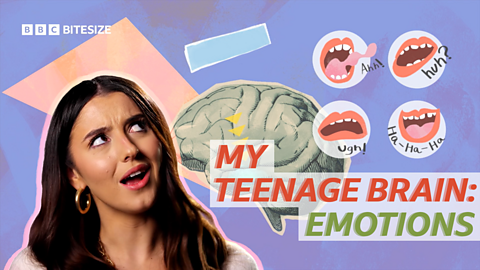
My Teenage Brain: Why am I so emotional?
Do you ever feel like you're on an emotional rollercoaster? Learn about why your feelings might feel so intense and some top tips about helping manage your emotions.
Staying calm in everyday situations
Feeling anxious? Under stress? Anxiety Josh offers advice on how to stay calm in difficult situations.

Three motivation tips inspired by Miley Cyrus
After Miley Cyrus said she has "no desire" to tour anymore, we look at ways you can stay motivated this summer.