What do you know?
Think about your day so far today. What have you used water for?
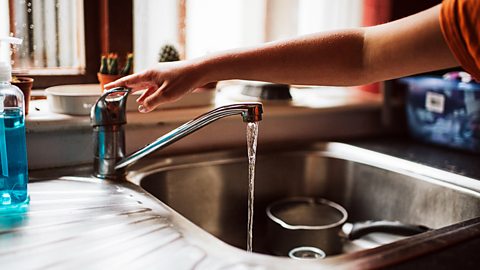
You are likely to have used water for many things today. The most obvious use is for drinking and cleaning your teeth. We all need to drink water to survive. However, your household may have also used water to wash, cook and clean. The items you buy, the food you eat and the clothes you wear all use water as part of the production process.
Key points
- Water is needed for agriculture, industry and domestic use. Water supplies come from different sources, including reservoirs and groundwater.
- Water security is determined by factors such as climate, Relating to the study of rocks and their location beneath the surface of the Earth., wealth and levels of technology. Globally, many people lack access to safe drinking water.
- Water insecurity can result in people drinking Having been made dirty by a polluting substance eg chemical waste. water. This can lead to illnesses, such as diarrhoea, typhoid and cholera.
Game - Conserving water
Play a Planet Planners mission and manage drinking water by balancing the needs of the population with conservation strategies.
You can also play the full game
What factors affect water security?
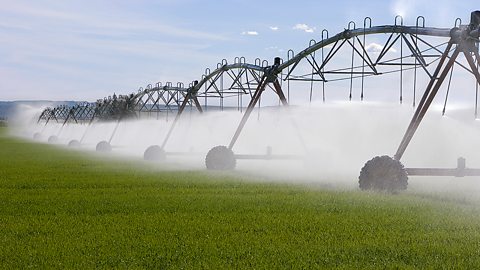
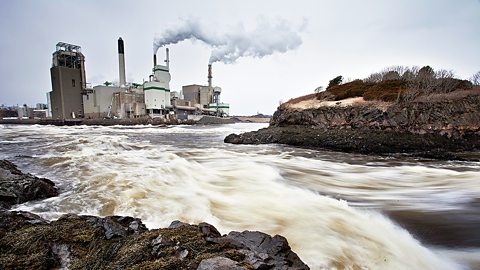
Water is needed for Using the land to produce food, by growing crops or raising livestock (animals)., The process of making money and any form of employment that makes money. Types of industry include primary industry such as farming, secondary industry such as manufacturing, and tertiary industry such as hospitality and tourism. and Related to use in the home, eg domestic water supplies are used for cooking and washing. use. Water supplies come from different sources, including A large natural or artificial lake used as a source of water supply. and Water stored in rocks beneath the ground..
Some countries have a water surplus, which means they have more water than they need. Other countries have a water deficit, which means they have less water than they need.
Water security is when people have access to a clean, affordable supply of water. It is determined by factors such as:
- The condition of the atmosphere, for example temperature and rainfall levels. – A dry climate, where there is very little rainfall. climates have less water than those with higher levels of precipitation.
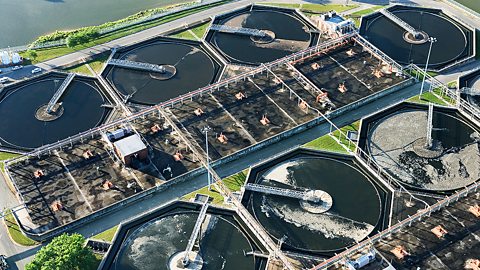
- Wealth and technology – water supply requires pipes, pumps and When something is cleaned to make it pure. For example, purified water is safe to drink. plants. Some countries do not have the wealth to buy or maintain this technology.
- Pollution – polluted water is not safe to drink. Sources of water pollution include industry, agriculture and Liquid waste which is released from kitchens, bathrooms, toilets, laundries and laboratories. disposal.
- Overuse – many countries use water at a faster rate than it is replenished. This leads to shortages.
What is water security?
Water security is when people have a reliable supply of safe and affordable water.
What is water used for?
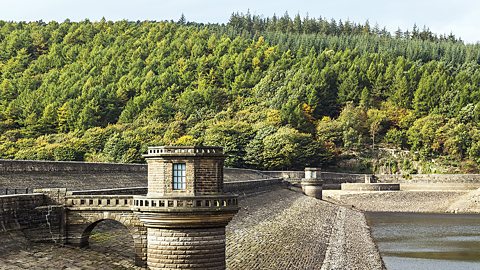
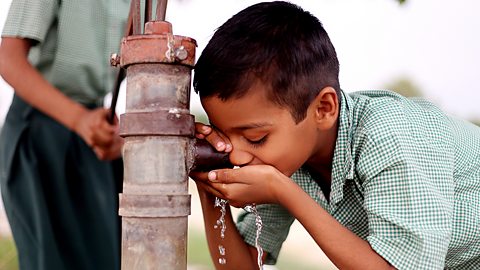
Image caption, Water supplies come from different sources, including reservoirs and groundwater. Climate, geology, wealth and levels of technology can affect how much water is available for people to use.
1 of 5
Why do farmers irrigate their crops?
Irrigated crops can produce double the yield of rain-fed crops. Therefore, it is worth spending money on irrigation systems because more produce can be grown and a greater profit can be made.
Water security quiz
What is water insecurity?
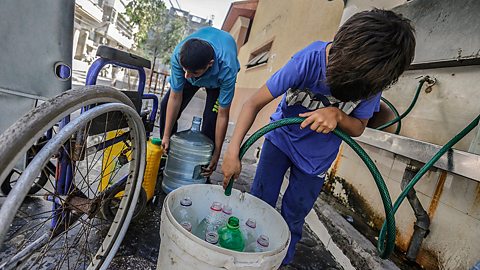
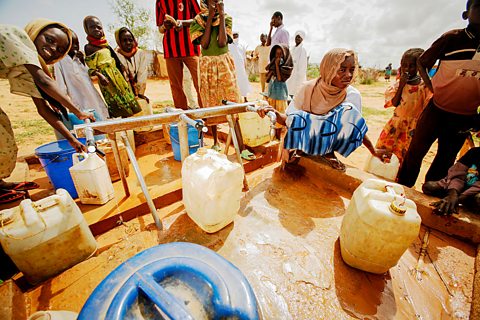
Globally, many people lack access to safe drinking water.
Not having a safe, reliable and affordable supply of water. affects many parts of the world, but is worse in arid regions, such as northern Africa. The United Nations has resolved to ‘ensure availability andUsing something in a way that does not destroy it completely, for example growing food without destroying farmland or cutting down trees without destroying an entire forest. management of water andAccess to clean water and sewage disposal. for all’ by 2030. However, current indications suggest that more progress must be made if this target is to be met.
Global water consumption has increased at more than double the rate of When the number of people living in an area increases. over the last century. However, water shortages are not just caused by a growing population, they can also be due to other reasons, such as:
- The development of industries in a region or country. This may include the building of new factories for manufacturing so that countries can make more money. – water is used during manufacturing processes, for example, diluting and cooling.
- Growing wealth and improved living standards – as people become wealthier, they use more appliances that use water, such as washing machines and dishwashers.
Water insecurity results in people drinking dirty water. This can lead to illnesses, such as An illness often referred to as an ‘upset stomach’. Someone may need to visit the toilet frequently. In some countries, diarrhoea can be fatal., A bacterial infection that causes fever, red spots on the chest and abdomen and severe irritation of the intestines. Typhoid can be fatal. and A severe form of diarrhoea caused by infection of the intestine. Cholera can be fatal..
A lack of water also impacts on industry and agriculture. Many factories would not be able to operate without water and crops could not grow without water.
Water is a basic human need and so water shortages can lead to dispute. One example of this can be seen in northern Africa. The countries of Egypt and Sudan are unhappy about the Grand Ethiopian Renaissance dam, because it is restricting water flowing down the River Nile and into their countries.
Question
What health problems can be caused by drinking dirty water?
Drinking dirty water can lead to illnesses, such as diarrhoea, typhoid and cholera.
Water surplus and water deficit
Global water surplus and deficit map
Describe the distribution of countries experiencing water deficit.
Countries experiencing water deficit are mainly located in northern and southern Africa, the Middle East, south west Asia and Australia.
Test your knowledge
Solve the Story!
An exciting new series from the Other Side of the Story, designed to help young people strengthen their media literacy skills.

More on Environment, resources and conflict
Find out more by working through a topic
- count7 of 9
- count8 of 9
- count9 of 9
- count1 of 9