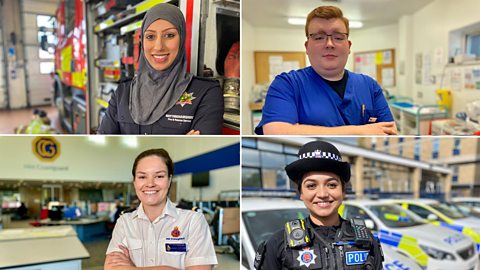
Nurse comes in at number five on the list of top jobs that teens want when they grow up in the 2026 Bitesize Careers survey. Nurses care for patients who are sick, injured or have disabilities. There are four specialities: adult nursing, children's nursing, learning disability nursing, and mental health nursing.
Scroll down to watch our video about how to become a nurse and hear from people currently working as nurses. You'll learn more about routes into the role and discover what you could expect on the job.
So, you want to become a nurse? If you care about people, can stay calm under pressure and want to make a real difference, nursing could be for you. To get started, you'll usually need passes in English, Maths and Science at GCSE or National 5, as well as some A-levels or Highers, often including a Science like Biology. You could then choose from several options. You could take the apprenticeship route, which means working in healthcare and studying at the same time, with the potential to earn while you train. Or you could go to university, where to apply, you'll most likely need to sit entrance exams and interviews and show you've done some relevant work experience or volunteering. You'll get to choose a specialism, such as adult, children's, mental health or learning disability nursing, and your course will most likely combine classroom learning with real placements in hospitals, GP surgeries and community settings. Whichever path you choose, you'll need to complete an approved programme, which can take 3 to 4 years and register with the Nursing and Midwifery Council. Nursing can lead to all sorts of jobs, from working in intensive care or neonatal units to roles in research, education or even the armed forces. So, could nursing be for you?

Real-life nurses' stories
Kate: critical care nurse. video
Kate started working as a nurse the Monday after she finished her university degree.
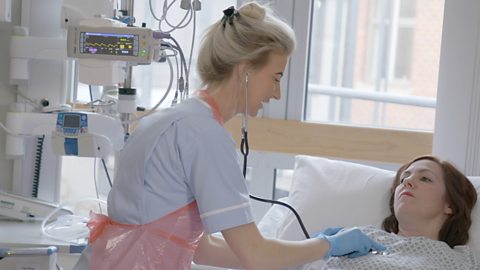
Jake: mental health nurse. video
Jake's a mental health nurse who responds to calls that have been made to 999.
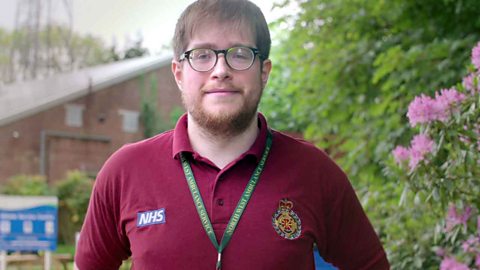
Sarah: critical care staff nurse
Sarah works as a staff nurse in a critical care unit in Cardiff.
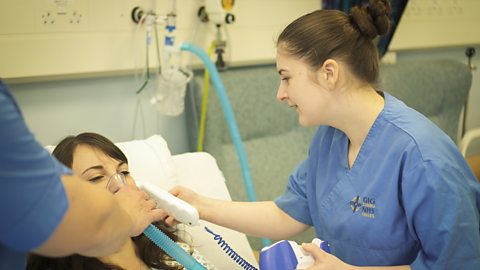
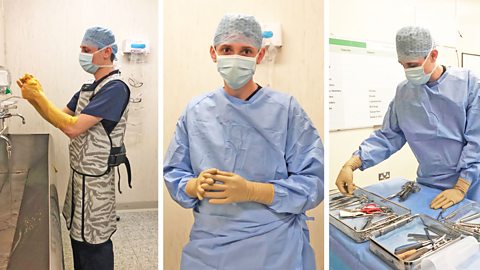
Connor: orthopaedic scrub nurse
Connor assists with surgical procedures.
What to expect if you want to be a nurse
- Nurse average salary: NHS band 5-6. Read more about NHS bands. Salaries will differ in private healthcare.
- Nurse typical working hours: 37 to 42 hours per week
What qualifications do you need to be a nurse?
- Typical entry requirements:
- University: Most people qualify by studying a degree in Nursing. You first need to decide which area of nursing you'd like to work in: adult nursing, children's nursing, learning disability nursing, or mental health nursing. Some "dual field" degrees allow you to study in two of the fields. Full-time courses usually take three years. You may be able to join a nursing degree on the second year of a course if you already have a degree in: a health-related subject; Psychology; Life Sciences, or Social Work
- Apprenticeship: You may be able to do a "registered nurse degree apprenticeship (RNDA)", combining academic study and on-the-job training. You will need to secure a position as an RNDA and your employer will release you to study at university part time. Most RNDAs take four years, but it could be less if you have relevant previous learning and experience. Keep an eye on the NHS jobs website and the Government find an apprenticeship page for RNDA opportunities
- Armed forces: You can train for a career as a nurse in the Armed Forces. Check out the Army, Royal Air Force and Royal Navy websites for more information
- Nursing associate: Nursing associates work alongside health care support workers and registered nurses in both health and social care. You could start out as a nursing associate and work towards training as a registered nurse.
You'll find it helpful to get some paid or voluntary experience in social care or healthcare work before you apply for nurse training.
Sources: National Careers Service, NHS Health Careers
This information is a guide and is constantly changing. Please check the National Careers Service website for the latest information and all the qualifications needed.
For careers advice in all parts of the UK visit: National Careers Service (England), nidirect (Northern Ireland), My World of Work (Scotland) and Careers Wales (Wales).
Find out more
For more information about careers in nursing, you can check out:
For careers advice in all parts of the UK visit: National Careers service (England), nidirect (Northern Ireland), My World of Work (Scotland) and Careers Wales (Wales).
Job inspiration: Careers in healthcare and frontline services. collection
Hear from people working across the healthcare sector and in frontline services, including some roles you may not know existed!
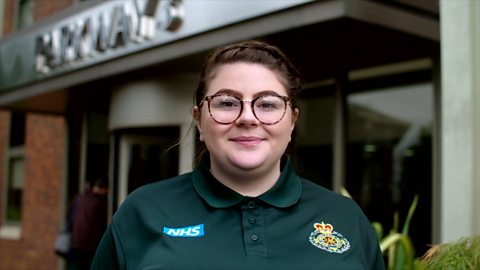
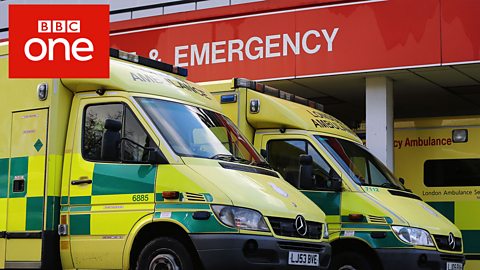
BBC One's Ambulance: Meet the real life heroes. collection
A collection of articles and stories from BBC One's series Ambulance.
Jobs that give back: My frontline career. video
Hear from four young people – a firefighter, nurse, police sergeant and coastguard – who are helping others via their frontline careers.