Welcome to The Regenerators.
Speaking up can be uncomfortable, but it gives us power.
Having a voice and being able to use it is a privilege and a gift. It gives us the opportunity to influence the world around us and a way to express our beliefs. We all have the right to speak up for the change we want to see and what we want our future to look like – especially when it comes to climate change.
Throughout history, young people have played a key role in bringing about change by voicing their concerns. Greta Thunberg was 15 years old when she started protesting outside the Swedish parliament in 2018. Sisters Melati and Isabel Wijsen from Indonesia were 12 and 10 years old when they asked the Bali government to ban single-use plastic bags from the island (spoiler alert: they succeeded).
Not sure where to start? Here's how to make your voice heard.
Hear from a group of young people about their experiences and some tips for you to get going.
Alicia: Climate change. I know that's scary, right? You might think I'm just one person, What can I do? It's as simple as talking about it. Those conversations can create a huge impact. Remember, you don't have to change your life completely it's just about starting small.
When I first started university, sustainability was a topic that came up and I had no idea what that was, but once I started to understand, I started to incorporate my love of fashion and textiles and art and now the journey's been creating new products out of waste fabrics ever since.
Charlotte: I did a school assembly on climate change, which I was quite nervous about.
Simone: My mum was writing a song and I walked in one day and she said: do you want to listen to the song I've been making? And it was about the environment. It was incredible, I really liked it and because I love singing, I immediately asked if I could be part of it.
Nayan: The first time I spoke about climate change was during my involvement in the Manchester Science Festival Young Person's Panel.
Nayan: I started by signing petitions, by writing to my MP. It was quite daunting at first because I didn't know how people would react.
Zaqiya: I'd just turned 16 and went to a talk. They asked if the audience had any questions. I raised up my hand and the entire time it felt like my heart was beating out of my chest. I was really, really nervous and then I managed to say the words. It made me really giddy and excited and made me want to keep doing that.
Charlotte: Knowing that there are other competent young people out there who are speaking up. But also the fact that young people still aren't represented enough in these kind of places where decisions are being made, like government and businesses.
Noah: I have to do something like, I can't just sit around and do nothing.
Charlotte: There have definitely been times where I've tried speaking up about something and it hasn't worked. It sometimes feels like your voice isn't being heard.
Alicia: But I realise I have to keep going, I have to keep learning. There's nothing wrong with making mistakes.
Amy: After I delivered my first talk in school, I decided to create an awareness session around plastic pollution and climate change and what we can do about it.
I then decided to formalise that into a charity which has now delivered talks and awareness sessions to over 4000 people.
Nayan: You're not alone, there's plenty of us and we all want change. Getting into climate activism doesn't mean having a large social media following even just speaking to your family, friends, schoolmates, teachers, anyone, as long as you get the message across, that's what we need.
Simone: Your voice can be heard. It doesn't really matter how small the thing you do is just like ask your parents not to buy that thing with tons of plastic on it.
Charlotte: I would definitely recommend getting started in your own school.
Zaqiya: What I did was I actually used my voice to set up a clothing exchange in my school, which I'm now taking to more schools. So you can start off really small. You can keep it really small if you want to, but you also know that there's a possibility to expand and take it as big as you possibly want.
Start small
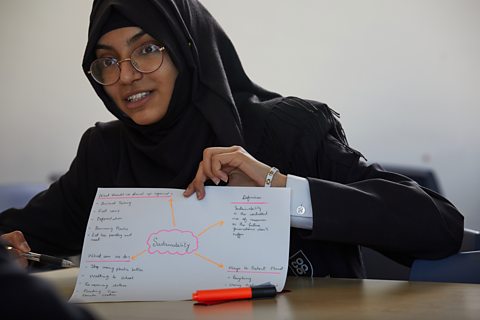
If you’re not used to being vocal about your opinions, start small. You can practice by speaking up more at home or school.
The first step can be as simple as understanding why you want to start speaking up, or figuring out what topic you want to focus on – for example, climate justice, sustainable fashion, or plastic pollution. We all have different experiences, so your voice is unique to you.
19-year-old Amy Bray, who founded the environmental charity Another Way, started her journey at home by getting her family to reduce their plastic use.
Keep going
The only way to build your confidence is to keep trying. When it feels impossible to get going, keep reminding yourself – what made you want to do this in the first place? Use that as a motivation and stay hopeful.
For Charlotte Boggon, a Young Trustee of YPTE (Young People's Trust for the Environment), what keeps her going is knowing there are other confident young people out there who are speaking up. She also says, “Young people still aren’t represented enough in these kind of places where decisions are being made – like government and businesses.”
Mistakes are inevitable
Things might go wrong at some point, but that’s okay. It happens more often than you think and it’s a brilliant opportunity to learn and improve. Why not keep a journal about your experience so you can record your wins and setbacks to help you see how far you’ve come?
Grow your voice
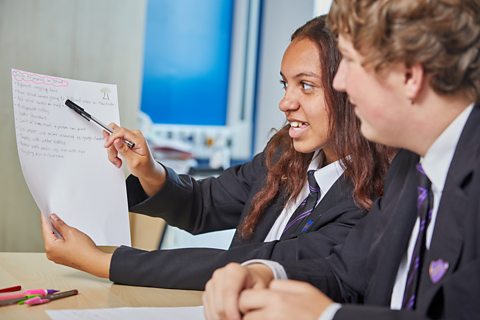
A good way to grow your voice is to share your knowledge with others and encourage them to speak up.
You can also explore how to make it easier for others to replicate what you’ve done, so they don’t have to start from scratch.
Zaqiya Cajee, 18-year-old founder of SwopItUp, started running clothes swap events at her school then decided to turn it into an organisation, to help students from other schools run their own clothes-swapping events.
Zoe, a 16-year-old who attended a Bright Green Future training programme for budding environmentalists, suggests chatting to others at school. Look for opportunities to get other students to learn about the topic or problem and offer different ways to deliver your message (e.g. games, poems, presentation slides).
You’re not alone
There are countless others who are in the same boat as you, even if you sometimes feel lonely in your effort to create change. You may find it helpful to connect with other young people who are trying to achieve the same goals as you. See if you can join an online youth or environmental group to build a support network.
There is no one right way of doing this. Using your voice to make a difference is not about being popular or having thousands of followers on social media – it’s about openly sharing your ideas and thoughts in the hope that at least one person is moved to take action. If we all have this effect on others, imagine what we can achieve together.
Make a difference
Discover more about the planet and how to protect it with the BBC.
Climate anxiety: How to turn your worries into action
THE REGENERATORS
Can creativity save the planet?
THE REGENERATORS
Return to the homepage
Back to The Regenerators
BBC BITESIZE