Sleepovers are more than just midnight snacks and movies, they’re a chance for children to cement friendships and to test out a bit of independence while knowing they can return to their normal routine the next day.
But for parents they can also be a source of worry and and can prompt an overwhelming number of questions - is my child ready to stay away without me? Will they be safe? Will they eat too many fizzy sweets, stay up until the birds start singing and doze off in lessons all week?
To help you with these questions and work out what feels right for you and your family, BBC Bitesize Parents’ Toolkit put one parent’s concerns to child development expert Dr Amanda Gummer, of the Good Play Guide.

It’s okay to be worried
Mum-of-two Rhiannon Carss is happy to let her daughters, aged 8 and 11, go for sleepovers at friends’ houses when she's met the parents and checked that the girls will be safe, but she admits to being more concerned as her children get older.
She says, “It's being able to trust your kid enough or having done enough to make sure they can make the right call when you're not there. That applies to every situation but, when it’s staying overnight in someone’s house, those feelings are heightened”.
Dr Gummer says these worries are completely understandable, “Sleepovers can bring up a wide range of concerns for parents. Some are relatively minor, like wondering whether their child will actually get any sleep.
Others are more serious, such as worries about supervision and what kind of influence other children or adults in the house might have. “It’s about finding a balance between keeping children safe and giving them the freedom to have new, confidence-building experiences”.
How do I know when my child is ready?

Rhiannon’s elder daughter was around eight when she first went on a sleepover at a school friend’s house, but her younger sister has yet to stay away from home with someone who isn’t family or a close family friend. One of her friends did attempt a sleepover at Rhiannon’s but it didn’t go well.
Rhiannon says, “She got to sleep, no problem. And I was like, ‘Right, job done. Excellent.’ But then she woke up at midnight and was crying. I just thought, if that was my kid, I'd want them home. So, I drove her home. It was just one of those things. We tried it and it didn't work”.
There's no set age for starting sleepovers, says Dr Gummer, as it depends on the child’s personality as well as their emotional maturity. Signs they may be ready include having successfully spent time away from home with another family member; completing simple tasks like putting on their pyjamas without help; and being able to follow simple rules. You can also tell a lot from their reaction to plans for a sleepover. Do they seem interested and excited or anxious?
How can I ensure my child’s safety in someone else's home?

"It’s worth having a chat with the adults who will be looking after your child, says Dr Gummer. Questions you could start with include, who else will be in the house and who’s supervising the children? What will the sleeping arrangements be? What sort of activities are planned, especially around screen use or internet access?
She says, “It’s perfectly acceptable to ask these things in a warm and respectful way. If something doesn’t feel quite right, it’s okay to say no. Your child’s safety and comfort should always come first”.
Rhiannon has always made it clear to her daughters that they can change their minds about sleeping over: “We’ve definitely said, ‘If you're not happy for any reason, then you're allowed to come home. You just need to phone us”.
Should I talk to my child about the risks?
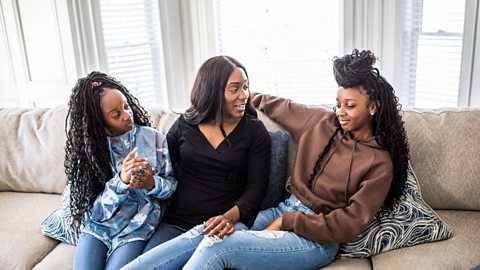
Yes, says Dr Gummer, as long as you do it in a calm and age-appropriate way, concentrating on building confidence rather than highlighting dangers, “Talk about personal boundaries and make sure they know it’s okay to say no to anything that feels wrong. Encourage them to trust their instincts, and reassure them that they can always call you if they need to, no matter what time it is”.
What if my teenager phones with a last-minute request to stay over at a friend's house?

As her 11-year-old is soon starting secondary school, Rhiannon is aware that she is unlikely to know other parents as well as she does now. She plans to invite her daughter’s new friends to their home first but what if she’s knocked off-guard by a last-minute phone request?
Dr Gummer recommends laying some ground rules in advance to give you time to assess the situation and show your teen that you care about their safety, even as they push for more independence. They could include, “I need to talk to a parent before I can agree” or “We don’t do unplanned sleepovers”.
How do I handle a sleepover at my own house?
Inviting your child’s friends for a sleepover at your own home is the dream situation, right? They get to have fun and you can relax, knowing exactly where they are and what they’re up to. But then it’s 3am, and you can still hear loud giggling. What do you do? Communication with the other parents is key to hosting a sleepover, says Dr Gummer.
She says “Ask about anything you need to know in advance, like allergies, medical needs, bedtime routines, or any particular worries. Set some simple house rules that might include screen limits, quiet time, and how to treat others respectfully”. At one of Rhiannon’s daughter’s sleepovers, she had made it clear that the girls would sleep upstairs and the boys downstairs - they had to separate at bedtime until morning.
She says “They’d all brought lots of sweets, and they'd put them into a mixing bowl. So at about 10pm I hid it on a top shelf. At 5am, there were about four kids who'd come downstairs and climbed on the worktop to get the bowl of sweets down, which in itself was kind of dangerous. I just went, ‘Not okay. Get upstairs now.’ And I told the parents, 'This is what's happened. I'm not disciplining your kids. It's up to you if you want to".
Set some simple house rules that might include screen limits, quiet time, and how to treat others respectfully”. Dr Amanda Gummer.
In a situation like this where behaviour has started to get disruptive, Dr Gummer recommends staying calm and consistent, giving a clear warning and outlining what will happen next. Use a firm but friendly tone and avoid shouting or getting drawn into debates. If necessary, separate children who are winding each other up.
She says “If you set the tone early in the evening, it can help prevent things getting out of hand. And if it really becomes unmanageable, it’s okay to call a parent or bring the sleepover to an early end. That might sound drastic, but it sends a clear message about respect and safety”.
Advice was provided by child development expert Dr Amanda Gummer, of the Good Play Guide.
BBC Newsround polled parents about bedtimes at sleepovers.
This article was published in October 2025

More from BBC Bitesize Parents' Toolkit…
How to help your kids navigate the internet according to the experts
How can parents help support their child's online life? Advice from two experts on social media and young people.

How to manage school group chats? A guide for parents
Group chats can be a source of issues for children and parents alike, here are some tips to keep things safe and kind.

Five ways to manage your wellbeing as a parent
Expert advice for parents on looking after themselves so they can support their child.


Fun games to help children with SEND get active at home
Ways for parents of children with special educational needs and disabilities to keep the family active.
Five fun ideas for a sleepover with your grandchildren
Tips for grandparents on how to make a sleepover with grandchildren fun for you as well as them.

