Everything you need to know about Pancake Day
With Christmas and New Year's Eve now firmly in the rear-view mirror, there's a whole host of festivals and celebrations for us to look forward to over the next 12 months.
In February, we celebrate Valentine's Day, a sickly-sweet celebration of love and romance in all its many forms, as well as the beginning of important religious festivals like Ramadan and Lent.
And amongst it all this February, we will celebrate Pancake Day. Whether its the right way to flip, or the perfect combination of toppings, pancake day is sure to bring its fair share of debate, but one thing we can almost all agree on is its place as one of the most exciting dates in the yearly calendar.
But what is Pancake Day, why do we celebrate it, and what different kinds of pancake can you make this year? Well, here at BBC Bitesize, we've put together this article to answer all those questions and more!
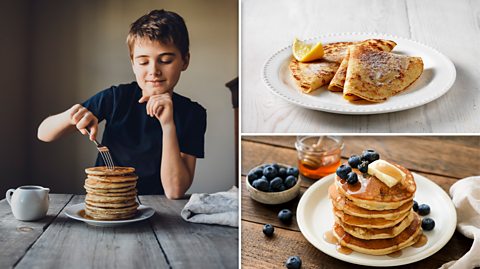
What is Pancake Day?
Pancake Day, known to Christians as Shrove Tuesday, is the final day before the beginning of Lent, the 40 day period in the lead-up to Easter.
Lasting 40 days and 40 nights, lent is an important period for Christians, as they reflect on the events leading up to and including the death of Jesus, who Christians believe to be the son of God.
Traditionally a time for fasting, Shrove Tuesday provides a final opportunity for people to indulge their sweet tooth before the Lenten period begins.
Despite its origin as a Christian festival, Pancake Day is now celebrated by religious and non-religious families alike, with the tradition observed in the UK, Ireland, Australia and other nations across the world.
Why do we celebrate Pancake Day?
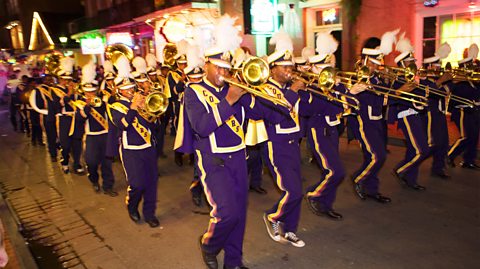
Pancake Day, sometimes known as Shrove Tuesday, has its roots in the Christian celebration of Easter. According to the Bible, in the weeks prior to his death, Jesus took himself into the desert, where he would fast and pray before embarking on his work for God.
To honour this sacrifice, Christians decided that they should take part in some sort of fast for the same period as Jesus - 40 days and 40 nights. During Lent now, Christians will often give up a personal favourite treat, such as chocolate or crisps. Initially, however, the rules around this were more severe, with people abstaining from eating meat, eggs, fish, fat and milk for the whole Lenten period. As such, families would seek to remove these temptations from their home in the lead-up to Lent, which begins each year on Ash Wednesday. One popular way to do this was to make pancakes, which would use ingredients like eggs, butter, milk and sugar - and so, the tradition of Pancake Day was born.
The celebration has spread beyond the bounds of religion now, with people all around the world taking part, even those of no religious affiliation. Many countries have their own Pancake Day traditions. In France, they celebrate 'Mardi Gras', which literally translates as Fat Tuesday. Whilst they don't tend to eat pancakes on Mardi Gras, there's a whole host of carnivals and celebrations to make up the difference. Spain also eschew the tradition of Pancake Day, instead celebrating Jueves Lardero (Fat Thursday) on the Thursday prior to Ash Wednesday. Also known as Día de la Tortilla ('Omelette Day'), the celebrations are similar to Pancake Day, with Spaniards making omelettes to use up the eggs in their cupboard before the beginning of Lent.
When is Pancake Day 2026?
The official date of Pancake Day varies from year to year, though is always celebrated 47 days before Easter Sunday - the most important date in the Christian calendar.
This year, Pancake Day will take place on Tuesday 17 February, leading into Ash Wednesday on 18 February - which marks the beginning of the Lenten period.
And, if you fancy getting some early flipping prep in for next year, Pancake Day 2027 will take place on Tuesday 9 February.
What are the different types of pancake?
With Pancake Day on the horizon, there's sure to be some debate as to which type of pancake is best.
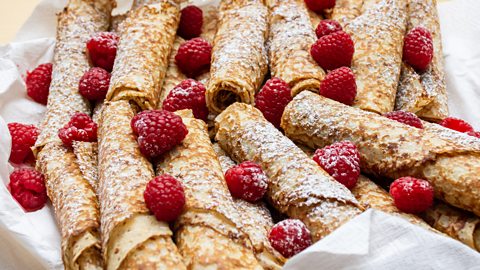
The traditional English pancake is a thin, flat pancake made using a simple batter of a plain flour, eggs, butter and milk, occasionally featuring a pinch of salt. Often served with toppings like lemon juice and sugar, the English pancake's closest counterpart is probably the iconic French crepe. Served both sweet and savoury, a proper French crepe is made using a crepe pan to form a thin, delicate pancake. In the UK, French crepes are often served with a chocolate spread filling, like the kind you may find at a supermarket.
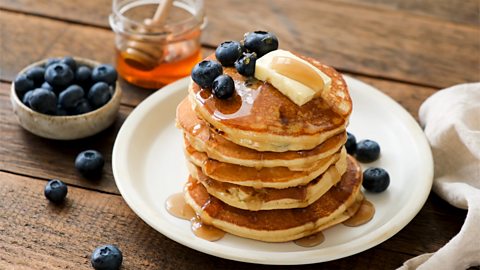
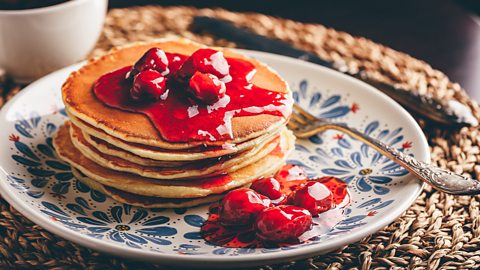
Another popular style is the fluffy American pancake, which use baking powder to create a taller, fuller pancake than the French crepe. American-style pancakes are a core fixture of the US breakfast, often served with maple syrup, melted butter and even bacon! Similar to American pancakes, scotch pancakes are a smaller, fluffier variant of the pancake, often served in the UK with jam or cream.
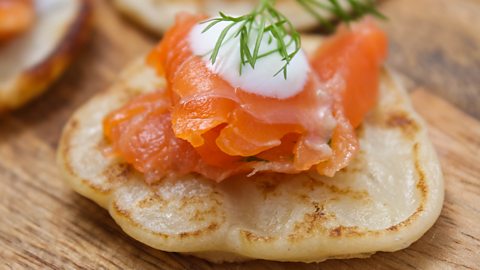
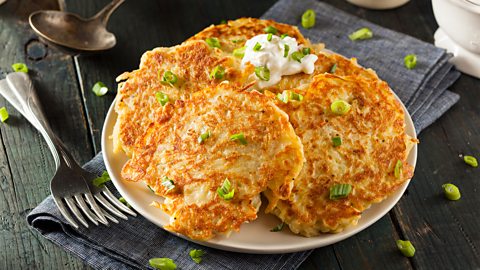
Other types of pancake include the Russian Blini, often served in mini-form with sour cream or smoked salmon, and the Irish Boxty, which is made with potato to create a sort of pancake-hash brown hybrid.
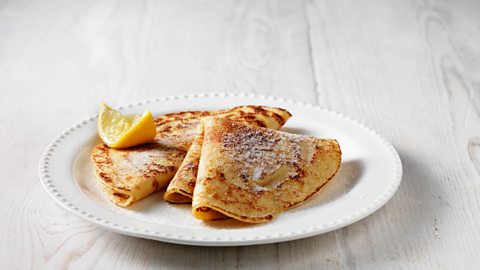
Image caption, Thin pancakes with lemon and sugar, a British staple
1 of 6
How do you make pancakes?
For the standard, English-style pancake, the ingredient list is blissfully simple. The exact measurements you'll need will vary based on how many pancakes you intend to make, but as far as ingredients go, you'll just need some plain flour, milk, butter, large eggs and a pinch of salt.
For American-style pancakes, the ingredient list runs a little longer, incorporating baking flour and caster sugar into the pancake batter recipe. And don't even get us started on toppings!
Fear not, however, because no matter what kind of pancake you want, we're here to help! Check out these recipes from BBC Food, and put together your perfect platter of pancakes:
