Witches in modern culture
We no longer put people on trial for witchcraft in Scotland but witches still hold a special place in our culture.
So how should we think about witches today?
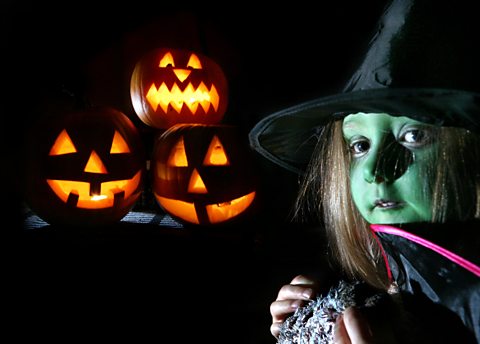 Image source, ALAMY
How are witches portrayed in popular culture?
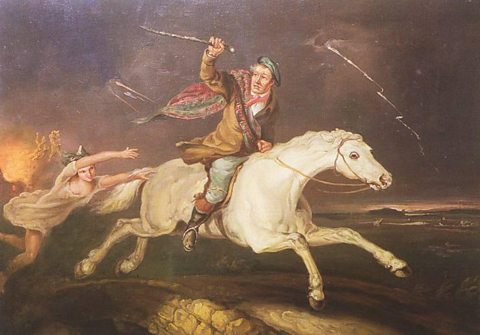 Image source, ALAMY
These days we do not live in fear of witchcraft or spend our time hunting witches.
Even still, centuries after the witchcraft trials, witches still have a strong grip on our culture and imaginations:
- Witches play a part in Shakespeare's 1606 play, Macbeth.
- Witches terrify the central character in Robert Burns's 1790 poem Tam o' Shanter.
- Witches act as the 'baddies' in The Wizard of Oz and Disney films like Sleeping Beauty and The Little Mermaid.
- Witches and wizards (both good and bad) are crucial in the books and film adaptations of the Harry Potter series.
Image source, ALAMYWhat are the origins of Halloween?
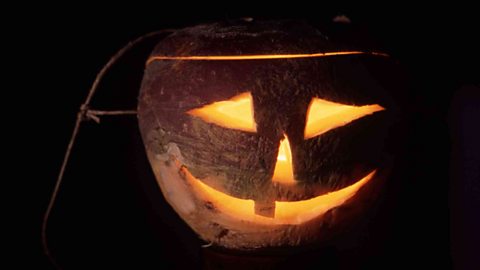 Image source, ALAMY
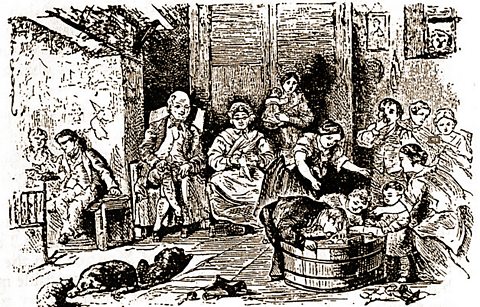 Image source, ALAMY
Today, one very popular way we remember witches and witchcraft is through the annual celebration of Halloween.
Traditionally, on the 31st of October, people in Scotland and the north of England carved lanterns out of turnips, dressed up as a ghost, witch or other monster and went 'guising' round people's houses. Influenced by customs in the USA, people are now more likely to carve jack-o’-lanterns out of pumpkins and go trick-or-treating.
While these traditions are relatively new, the origins of Halloween are far, far older.
Image source, ALAMYCeltic origins of Halloween
The origins of Halloween date way back in time to an ancient Celtic festival called Samhain.
Samhain marked the end of the harvest period and the beginning of winter. It was celebrated on the first day of November and involved feasts.
The ancient Celts believed that Samhain had a supernatural element, too. It was thought that on Samhain spirits could pass from their world into ours.
Gifts of food and drink were left out to keep the spirits happy.
All Saints' Eve
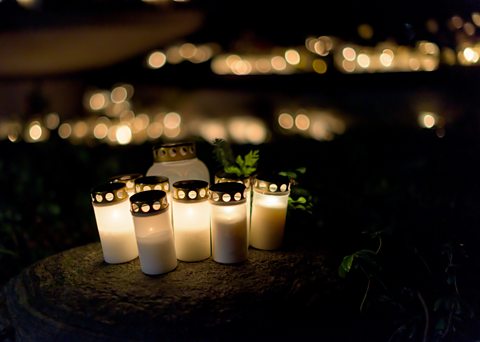 Image source, ALAMY
In the Christian calendar, All Saints' Day – a feast day to remember the lives of the saints – was held on the same day as Samhain.
The day before All Saints' Day was All Saints' Eve – although it was better known as All Hallows' Eve or All Hallows' E'en.
This is how we ended up with the name Halloween.
Similar to Samhain, it was thought that on All Hallows' Eve the boundary between our world and the spirit world was at its weakest.
Several customs became associated with Halloween including lighting candles on graves to guide wandering souls back to their resting place.
It also became common for people to seek religious blessings for their homes on Halloween to protect them from evil spirits and witchcraft.
Image source, ALAMYAre there still witches?
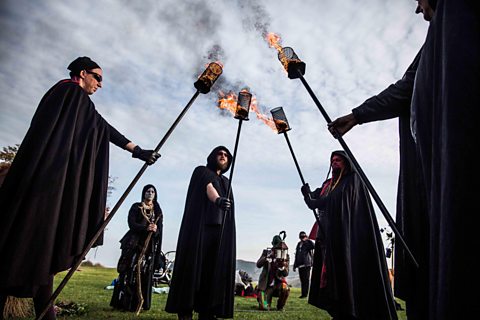 Image source, ALAMY
Most often we come across witches when people dress up for Halloween, but there are also people who still view themselves as real, practicing witches.
As followers of a movement called Wicca, these modern day witches don’t worship the Devil, or perform animal or human sacrifices, but instead celebrate nature.
The Wiccan witches do still believe in magic and spells but they practice using them for good causes such as healing.
Many followers of Wicca celebrate special days at various times of the year.
One of the major days is Samhain – the ancient Celtic festival that influenced our modern Halloween.
Image source, ALAMYWitches around the world
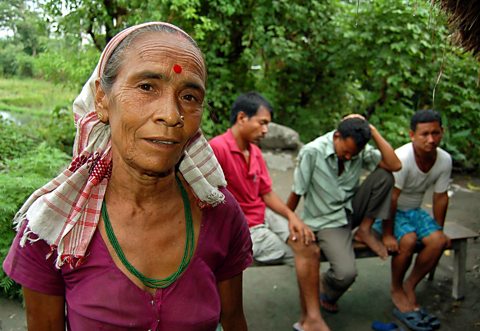 Image source, ALAMY
There are many parts of the world where there is still a fear of witches and witchcraft.
- In 2001 in the Ituri province in the Democratic Republic of Congo at least 800 people were killed in witch hunts.
- In London in 2012 a couple were convicted of killing a 15-year-old boy they believed was a witch.
- In India, according to the National Crime Records Bureau, between 2010 and 2021, more than 1,500 people were murdered because they were thought to be witches.
- In relatively recent times Saudi Arabia has executed people accused of witchcraft or sorcery. In 2012 a man called Muree bin Ali bin Issa al-Asiri was executed on charges of sorcery and witchcraft.
Image source, ALAMYScotland's last witch
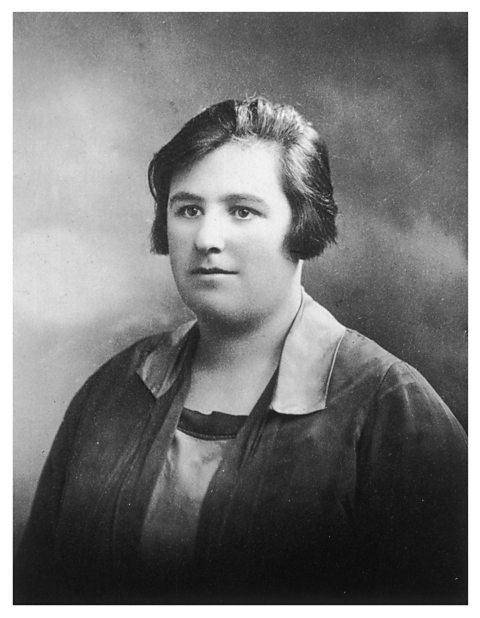 Image source, ALAMY
In the UK, the last person jailed for witchcraft was a Scottish woman called Helen Duncan.
From the 1920s onwards, Helen claimed that she could predict future events and that she could also communicate with the spirits of the dead in the afterlife.
In 1944, during World War Two, Helen claimed to contacted the spirits of British sailors who had drowned when the warship HMS Barham was sunk by German submarines off the coast of Egypt.
This caught the attention of the military leadership as the sinking of HMS Barham had not been officially revealed to the public.
At that time, as the country was at war, and some people feared she was able to use her powers to find out and reveal classified information.
After an investigation, it was discovered that Helen had no mystical powers and that she'd heard about the sinking of the ship from a relative of a sailor who had died on the ship.
She was arrested and charged under the Witchcraft Act of 1735 which recognised witchcraft as a type of fraud. She served nine months in prison.
The law changed in 1951 so that people could no longer be found guilty of claiming to be a witch or to have magical powers.
Image source, ALAMYAn apology to Scottish witches
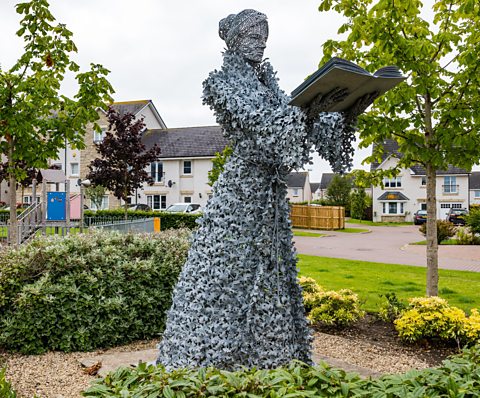 Image source, ALAMY
In recent years, there has been a renewed interest in the Scottish witch trials and the terrible injustices faced by the men and women who endured them.
On International Women’s Day 2022, Scotland's First Minister, Nicola Sturgeon, issued a formal apology to those accused and punished in Scotland during the great witch hunts.
Some people would like more to be done and a petition has launched to secure official pardons for those convicted of witchcraft.
The campaigners also suggested that a national memorial should be built to remember those people who were persecuted and lost their lives during the witch hunts.
Image source, ALAMYTest your knowledge
More on Scottish witch trials
Find out more by working through a topic
- count1 of 7
- count2 of 7