What is a mortgage and other must-know financial facts
Discussing finances and things like mortgages can seem overwhelming, but it a subject that is well worth learning about as you plan for your future.
Here at Bitesize, we've answered some of the most-asked questions to help you form a better idea of what buying a house involves, and how you can be better prepared for it as you get older and look at taking bigger steps with your money.

1. First things first, what is a mortgage for?
Buying a house is one of the biggest purchases a person can make. To do this, most people have to get a special type of loan called a mortgage.
This is an agreement between you and a lender (for example, a bank) that they will lend you the money to buy a house on the proviso that you will pay them back, plus interest (more on that later). If you do not keep up with the repayments, the lender has the right to take your property back.
So far, so straightforward, right?
2. So, how do you get approved for a mortgage?
You have to apply for a mortgage (more on who can help you do that later). A mortgage is offered by a lender, usually a bank or building society, and they decide whether to lend you the money based on a few key things.
How much you earn
First, the size of the mortgage you can have (which determines what price of house you can buy) will depend on how much you earn. A lender tends to let you borrow 2.5 times your A salary is a fixed, regular payment, typically paid by an employer on a monthly basis, to an employee for their work.
If you are buying a property with someone else, the size of the mortgage will be based on both your salaries. The lender normally uses the following calculation to work out how much to offer:
2.5 times the largest salary plus 1 times the smaller salary. This is called the affordability calculator and tells the lender whether you can afford to buy the house.
How much money you have saved up
When you apply for a mortgage, you’ll have to put down a deposit, which is a chunk of money that you pay to the lender upfront. The size of your deposit is what determines the loan-to-value ratio of your mortgage. In simple terms, the bigger the deposit, the less money you need to borrow from a lender. This means your loan-to-value ratio will be lower because they don't need to lend you as much money.
Say the house you wanted to buy was worth £100,000, and you’d saved up 10% of the total house price.
That means your deposit would be £10,000 and you’d need a 90% loan-to-value mortgage to make up the rest of the cost (£90,000). Most lenders will require a borrower to have a deposit size of at least 5% of the property’s value.
Generally, the bigger the deposit, the less risky it is for the lender, so saving for a bigger deposit and a lower loan-to-value mortgage can mean better interest deals.

3. Wait a minute, what is interest?
Interest is the extra amount you get charged when you borrow money from a lender. So if the interest rate on your loan is 4%, you’d be required to pay back an extra £4 for every £100 you borrow.
Interest rates on mortgage loans are determined by a number of things, and it can seem quite complicated.
A 'base rate' of interest in the UK is set by the Bank of England. This is the rate that the Bank of England charges other banks and other lenders when they borrow money (yes, they need to do that too, just like us!). So if the Bank of England has set a high base rate, this gets passed right down to borrowers, meaning mortgage interest rates will also be higher.
Mortgage interest rates are also based on other things that are more personal to you, like how big your deposit is, as mentioned above, as well as how likely you are to pay back the loan, and how long it will take you to pay it back.
4. Why do mortgage interest rates go up and down?
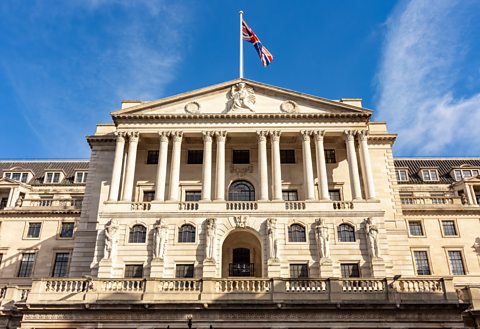
Interest rates can go up and down, and one of the biggest influences on this is the Bank of England. If the Bank of England raises the base rate, it’s likely your mortgage lender will do the same. If the Bank of England decides to lower the interest rate, these savings are passed down to banks, for example, who will then lower the interest rates on their services - like mortgages - too.
The Bank of England will usually raise interest rates to help reduce Inflation is an increase in the average price of goods and services in terms of money.. By raising interest rates, it means that outgoings that people have - like a mortgage - become more expensive, so in order to be able to pay it back, people spend less money elsewhere. They usually borrow less money too, because higher interest rates means they cannot afford to pay it back.
Less spending means the demand for goods and services is lower, and inflation begins to fall. This then means that the Bank of England can lower the interest rate once inflation has come down, in turn encouraging people to start spending money on things - like mortgages - again. Phew!
5. What is a fixed rate vs a variable mortgage?
If you take out a mortgage, you can choose for it to be a fixed rate mortgage. This means you’ll repay the same amount every month – usually for a specific period of time - even if the Bank of England base rate rises. You can usually take out a fixed rate mortgage for between two and five years.
After that, you'll then be paying a standard variable rate mortgage (SVR), which means if the Bank of England base rate rises, the interest you pay on your mortgage loan rises too and so your monthly repayments will become more expensive.
However, if the Bank of England base rate falls, it could mean your monthly mortgage repayments get cheaper!
You don't have to take out a fixed rate mortgage in the first instance, and can go straight to an SVR if that works better for you.
6. What is a credit score and do I have one?
Just because you apply for a mortgage, doesn't mean a lender has to accept you. They will usually base their decision on a number of things, some of which we've already mentioned. But one thing they will look at is your credit score.
A credit score is a three-digit number that shows other lenders how reliable you are at repaying money you have borrowed. It is based on how you have managed your finances in the past.
Your score can range from “excellent” to “poor”. If you have a poor score, it can affect your ability to be approved for a mortgage, as well as things like credit cards and mobile phone plans, or it could mean that if you are approved, you are only offered a higher interest rate (remember, that's the charge you have to pay on top of the money you want to borrow).
If you have something like a mobile phone plan and have always paid it back on time, this will have a positive impact on your credit score. If you have missed a payment or made a late payment, this will negatively impact your credit score.
Something else that can affect your credit score, is never having borrowed money before. Even though that sounds like a good thing, because you have never had Debt is money that you owe a person or a business., it actually means lenders can’t assess how risky it is to lend money to you, and can mean your credit score is lower, even if you haven’t ever missed a payment.
7. What does a mortgage broker do?
A mortgage broker or advisor is a person or company that arranges a mortgage between you (as the borrower) and a lender.
If you were to go into a bank, for example, and ask about a mortgage, they would likely try to sell you their mortgage product, because they want you to spend your money with them. But a broker can offer independent advice by looking at a broad range of mortgage offers for you that are appropriate for your own personal and financial circumstances.
They can also help you with the application process, tell you how to improve your application and deal with some of the paperwork to speed up the process for you.
Meeting with a mortgage lender is something you can sometimes do for free. If you decide to take out a mortgage with the help of a broker, the lender of that mortgage will then pay them commission (usually a very small percentage of the total amount you are borrowing). But some mortgage brokers will charge a fee for their services - even just a meeting. It is something you would need to check before arranging one.
Sound like a job you'd be interested in? Read: How to become a mortgage advisor to find out more!

8. Can you have more than one mortgage?
The simple answer is yes, you can have more than one mortgage at a time.
This might be more than one mortgage on the same house – sometimes known as a second charge mortgage – or a mortgage so you can buy a second home – sometimes known as a second home mortgage.
A second home mortgage will usually require a higher deposit – at least 25% of the property value in many cases – and like with a first mortgage, you’ll be assessed on how likely you are to make the repayments, which will determine whether you are accepted and if so, what sort of interest rate you can expect.
Want to learn more about money?
Money and all the things that come with it can be a confusing topic. We have plenty of resources here at Bitesize to help you understand it better.
