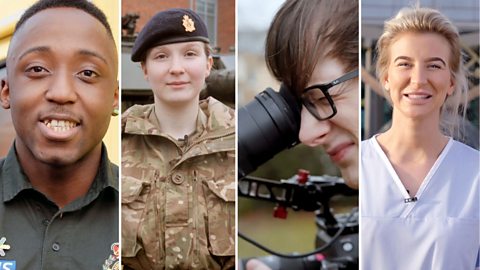
To celebrate National Careers Week 2022, Bitesize Careers have put together a special panel to discuss careers in healthcare and science. What's it like to work at AstraZeneca, the NHS and the RSPCA? Scroll down to find out!
Visit our Q&A panels collection where you can also watch career discussions on media and journalism, sports, music and arts, and technology.
Healthcare and science panel discussion with Dr Alex George
Dr Alex George talks to three people who work in the healthcare and science sectors about what life is really like in their roles. They reveal their tips and advice on how to get a foot in the door and discuss what they think the future holds for two sectors that have been in the spotlight since the beginning of the Covid-19 pandemic.
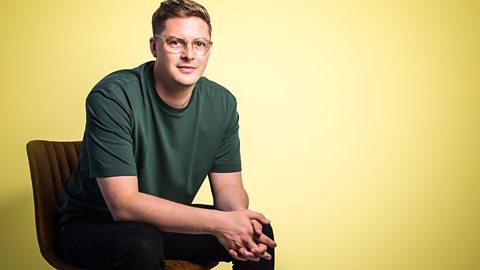
Dr Alex George is a presenter and an A&E doctor in London. He studied Medicine at Exeter University and came into the public eye after appearing on Love Island in 2019. He is also a Youth Mental Health Ambassador.
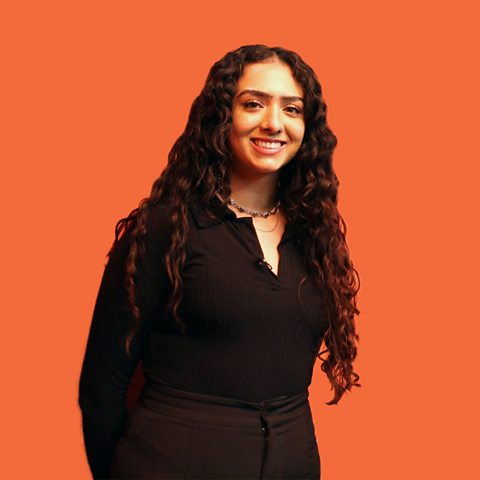
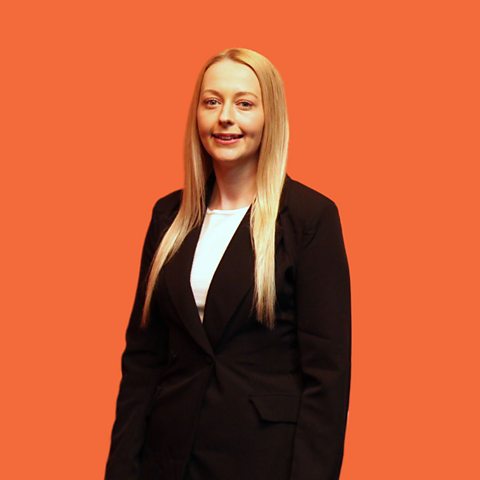
Meet the panellists
Shaan Gill
AstraZeneca
Deborah Olusanya
NHS
Shannon McCall
RSPCA

Intros and how it all started
- How would you describe your role?
- What sort of day-to-day tasks does your job involve?
- How did you get your career journey started?
Alex:
We're here today to explore jobs in healthcare and science. I've spent many years working in the industry as an A&E doctor.Throughout the pandemic I've been on the frontline in London hospitals. Now I didn't pass my exams first time round, but I knew being a doctor was what I wanted to do so I kept going. I built up resilience and I took the exams I needed to do again, until I passed.I'm now not only working for the NHS, but I'm also the Youth Mental Health Ambassador for the government, which is something I am incredibly passionate about.
It's been an amazing career so far, and I'm so excited for what lies ahead. It's not just me joining you today though. We have some great people to help us explore healthcare, science, and various jobs within these industries, to give you an insight of what might be available to you when you leave school, and hopefully give you some career inspiration.
So shall we meet them?
Everyone please meet our panellists: Shannon, Shaan, and Deborah.
Thank you welcome everyone, could you just tell us a little bit about who you are and what it is that you do.
Shannon:
I'm Shannon McCall and work for the RSPCA as a veterinary surgeon and prosecutions vet.
Alex:
Lovely to meet you.
Shaan:
I'm Shaan Gill and I'm in my fifth and final year of completing a Level 6 degree apprenticeship as a laboratory scientist with AstraZeneca.
Alex:
Amazing.
Debbie:
I'm Deborah Olusanya but I also go by Debbie and I'm a healthcare assistant for the Royal Wolverhamption NHS Trust.
Alex:
Amazing big shout-out of course to the NHS there.
Shannon, let's start with you. Now obviously the roles that we're talking about today are quite varied. It would be interesting to know actually, what does that actually mean?
Shannon:
So, I work in Manchester as an RSPCA vet, there's about 30 of us throughout the UK. And the RSPCA as many people are aware is the largest animal charity in the world, and they really do lots of work to promote the welfare of animals and alleviate suffering. And we do this through the frontline inspectorate teams that rescue those animals, the vets that treat them, and the animal centres that ultimately rehome them and give them that second chance in life.
Alex:
You know, what does a day to day look like, you know, for you, what is a normal day in your life?
Shannon:
There is no such thing as a normal day I suppose. Um, it is a very varied job. So I'll either be dealing with the public doing about 45 consultations, or six to eight operations. Dealing with the Inspectorate and treating new strays and wild animals that they bring us, or teaching some students, or potentially visiting one of those animal rescue centres to carry out their veterinary work.
Alex:
Now we have a few photos I believe here that we're going to have a little look through. Can you talk through what we're seeing here?
Shannon:
So the one on the left was one of our strays that was brought in through one of the inspectors. It was a love Ragdoll kitten that was having a lot of gastrointestinal issues, um, and she was treated and put into a rehoming centre and ultimately found her home.The second one, um, was an image of a cat that had a dislocated toe that was also treated. And then we just have a photo of me at one of the rescue centres and health checking an animal on intake - you can see they're nice and happy to be there. And the last one is a fox that was brought to myself that had been seen limping. So we X-rayed it, gave it some treatment and got it back out into its environment.
Alex:
It must be difficult sometimes going into work not knowing what you're going to see really, I would imagine.
Shannon:
Yeah every day's a challenge but that's what I love about the job.
Alex:
How did you get into this, you know, because I think being a vet, you know, being a surgeon and doing medicine and looking after animals and things, it is something that's quite kind of different I expect and not a lot of people might know much about it, so how did you get into it?
Shannon:
Yeah definitely so I always loved animals and from the age of two when I could walk I was regularly following my granddad down the lane to feed his chickens. And then at about the age of six we got our first family pet which was a lovely collie cross labrador, um, and then from then I started volunteering at a rescue centre, erm, the one that was in the photo actually, working mainly with dogs and cats. And when I met their vet there I really saw him as a role model and absolutely was amazed by the work he was doing, and knew that that's what I wanted to do in the future.
Alex:
I think it's really important when you can to try and get experience in things and then actually find out, you know, do I actually like this and it's kind of, if you can, great to go along and just get a bit of experience isn't it in that field?
Shannon:
Definitely. Erm, it is a requirement for the universities but also it's a very long course that you're committing yourself to so, you need to be sure that you have seen a little bit of practice or done some work with different animals and know what's for you.
Alex:
And of course everyone watching very lucky to have you here today of course to kind of share your insight into it, thank you.Now over to you, Shaan. Talk us a little bit through what you do because a lab scientist is quite an exciting idea I guess, but I must be honest I don't really know a huge amount of what that looks like. Could you talk it through a little bit?
Shaan:
Yeah so I work for AstraZeneca which are a global biopharmaceutical company that focuses on the discovery, development, and commercialisation of prescription drugs for some of the world's most complex diseases. There is a huge focus on being patient led and science driven and to push the boundaries of science to create these life changing medicines. So for me, I work in oncology research and development in translational medicine. So this involves us carrying out analysis on patient samples, so tissues and blood samples from real patients enrolled in AstraZeneca clinical trials testing new potential cancer medicines.
Alex:
So, when you're looking at this then, you know, breaking it down very simply, when you say tissues what are you looking at and what are you looking for?
Shaan:
So we're looking at patient samples and we're really trying to understand the biology, so understanding what is happening to the patient when given a drug, um, understanding mechanisms, understanding why some respond better, maybe some respond worse, why is there resistance, but understanding the effect of the drug the treatment on the cancer. So it's really interesting.
Alex:
It must be fascinating to kind of learn and develop and I mean, the day to day what does that kind of look like, you know, are you kind of making discoveries every day? Is it, you know, you'd imagine that moment you'd be like wow I found something new, you know?
Shaan:
Oh well as Shannon said it's super varied, um, I tend to work across multiple projects at once so, um, kind of, I guess in beginning stage of a project I'm doing a lot of research, I'm really trying to understand what are we looking for, what is the purpose, and getting that background information.And then in the midst of a project it's heavily lab-based and that's my favourite part. I get to be really hands on in the lab -
Alex:
Stuck in.
Shaan:
Yeah exactly stuck in, using all this high tech equipment, and running samples, and I really enjoy that. And then the end of the project is really lovely where it all comes together, you get that data and we're making our conclusions. So it's very varied but it's so interesting.
Alex:
I would imagine using the tech is a bit complicated, I struggle with PowerPoint so I take my hat off to you on that. And we've also got a few photos, could you talk us through what we see?
Shaan:
This was actually at a science fair. So a big part is collaboration, sharing our data. So this was a networking day which is essentially a conference, listening to various talks and then activities.
Alex:
It is just amazing how you can see, learn so much about human disease and treatments and things cos I guess on like our level, you know, working in A&E we see I guess the kind of frontline element and we use treatments and drugs on those occasions, I guess much like you would in your industry. But there's so much that goes on before you actually give that medication isn't it, it really is fascinating. You know, how did you get into being a lab scientist really?
Shaan:
I mean I had no plans that I would end up here. So at school all I knew was that I enjoyed Science, and in particularly that was Biology. So through attending, you know, career fairs I spoke to scientists there, and particularly when I got to go on some work experience opportunities, um, there I got to speak to scientists first hand, I got to see what a lab environment looks like, what do they do. And that was kind of my first exposure to industry, and the work experience really kind of consolidated my idea that yeah I want to be a scientist, this seems like a path for me.
Alex:
Well, I want to say a big thank you to you all, you work so hard and particularly throughout the pandemic for obvious reasons, I think we've got a photo actually here of you working as well which is lovely indeed. So yeah thank you, thank you for your work.And now Deborah you work in a hospital, we work in I guess a similar kind of setting. How has the last year or so been for you, how have you found it?
Deborah:
Um, well the last year has been quite a rollercoaster, obviously everyone at the hospital's really busy. So it was just kind of trying to get around the busy schedule while still making sure all our patients are comfortable, and no one feels like they've been forgotten, so. It has been quite crazy but I think things are starting to settle down back again.
Alex:
Yeah the pandemic's been definitely a challenge on all of us. Deborah: Yeah.Can you tell us a little bit about what you do, what's a day to day for you what's your role?
Deborah:
Yes, so as a healthcare assistant, one of our main roles is kind of to relieve the nurses and the doctors. So that involves maybe helping the patients with feeding or maybe if they need a wash or helping them to the bathroom, taking care of their charts so their food charts, their intervention charts. Just making sure that altogether my job is just mainly around patient-centred care.
Alex:
I think people often think of hospitals as like the doctors and nurses but oh my gosh we couldn't do anything if it wasn't like for people like yourselves doing what you do, you know, it's, I think what I love about the NHS is it's this big team, you know, everyone's got their different roles from like radiographers to the doctors to HCA to the porters. And actually without having all of those pieces of that puzzle you don't create that full picture. And we actually have some photos I think from your hospital, could you talk us through them?
Deborah:
Yeah so these are just the normal wards that I tend to work on every week so it's just a lot of rooms, sometimes it's side rooms so where patients are by themselves, or we have the rooms where there's four to five patients. And it's a really nice environment to be fair, everything's, we always make sure everything's nice and clean and sanitized.
Alex:
Amazing. I mean, and can I just make the point that hospitals don't usually look that empty! I can tell you that, and I doubt the veterinary surgery looks like that either, it's quite busy I'd say. I hear that your interest in this role started by TikTok. Is that true, can you tell us about that?
Deborah:
Yeah, so, as most people my age do, I was just scrolling to- through TikTok and I came across this page, so this account that used to talk about how to get into the healthcare sector and I always knew I was interested. So I came across a video that talked about how to get work experience, and so it was to go through NHS Careers and look in your area. So that was exactly what I did and I actually found my volunteering role. So I just called in and, the rest is history I guess.
Alex:
I'm in, I want that place there.
Deborah:
Yeah.
Alex:
Thank you for sharing that. It's helped me and hopefully the audience understand what kinds of roles there are in healthcare and science, and how varied the routes are into these jobs.See you in a minute.
My job is all about patient-focussed care. I started out by finding a volunteering role through NHS Careers, and the rest is history.
Deborah
Careers experiences
- What are the challenging parts of your job?
- What were your aspirations when you were growing up?
- Which subjects did you study at school and do you use that knowledge now?
- What was your personality like when you were growing up? Did that influence your career choice?
Alex:
I'd love to hear what are the challenging aspects in each of your careers. Shannon, what about for you?
Shannon:
I think obviously as an RSPCA vet we do see a lot of cruelty and neglect cases. Erm, one such recent case was a little dog called Teddy who had been thrown over a fence and suffered some broken ribs. So I was the vet treating Teddy and found out after imaging that he'd broken a lot of ribs, and they were at different stages of healing, so he'd actually suffered on multiple occasions. However it's also the best part of the job because I got to treat him, I got to follow up with the rehoming centre and see his whole rehabilitation journey. And he has subsequently been rehomed into hopefully his forever home and is a lot happier for it.
Alex:
Shaan, what about you?
Shaan:
So as an apprentice my work is split 20/80 between studying and working, so that means I work four days a week as a lab scientist at AstraZeneca, but then I also study one day a week for an Applied Bioscience degree. So this work/study balance can definitely be a bit of a struggle at times. I have to sit regular exams, I have modules to be working for, coursework deadlines, like any other students. But then I also have my responsibilities as an employee: of projects, meetings, all those kind of responsibilities. So it definitely does become a bit of a juggling act especially when all the deadlines come together at the same time. However there is a really great support system in place, so we have supervisors and managers that help us manage our workloads, and there's a really fantastic apprentice community where we're all there to support each other, help each other with questions. It can be a struggle but if you plan it well you can get through it [chuckles].
Alex:
Deborah what about you, you know, what would you say to that, challenges and things?
Deborah:
Well when I started my roles like working within the NHS I was actually just starting sixth form. And obviously it was still quite in the heat of the pandemic so handling being at home, having to study from home, and then going to work and seeing patients who weren't able to see families, and it was quite challenging to see so many people upset. Yes. We also found the iPad situation so where people are allowed to FaceTime or call their family members. And then obviously now I'm back at school for sixth form so it's better for face-to-face learning so things have started to improve but it was quite challenging at the time.
Alex:
Now we're gonna rewind a little bit and go back to when we were a bit younger and, you know, how we decided what we wanted to do and our journeys and stuff. I think we've got a nice little photo, I say nice but we have 'a' photo of me and - none of you are allowed to laugh alright, don't laugh at that. I kind of remember that time. I really wanted to be a doctor, I mean that was kind of my real focus. I wanted to get into med school and I'd done work experience and I'd, you know, really really focused on like my studies. And as I mentioned at the start, I actually - when I sat my exams and had my place, I missed out on my place because my A-level, one of my results - Chemistry, two marks I missed out - I was so upset. But, you know, it's one of those things where, looking back everything I learnt along that journey and even going through, you know, a sense of failure almost, it actually really helped me improve. And I am a very big believer that failure, you learn much more from your failures than you do your successes, you know, when you go through a tough time with something it makes you stronger in many ways but… I'd just be interested to hear really, like what were your inspirations, you know, when you look back did you always know what you wanted to do or, yeah how did you get into what you've done?
Shannon:
So as I said before I did a lot of work with a local animal shelter, but I also got some placements on farms and stables with those animals that I hadn't really had any exposure to, and in a lab in Northern Ireland as well, which all proved very useful and all made me realise that yes this was something that I wanted to do. And I would really encourage anyone that's wanting to get into the veterinary field to go and seek out those placements, erm, and chat to people who are within the profession. I didn't know anyone that was a vet until I started volunteering at the sanctuary, and that vet helped me to get into vet school, helped me the entire way through vet school with my first operations and things… yes.
Alex:
Wow, and it's a very important point you made there. You know, I had no family or friends that were doctors or even in the hospital, you know, so sometimes you do have to work a bit harder and getting experience, it doesn't always have to be, you know, there in A&E, it could be going to a care home and seeing how people care, you know, it doesn't always have to be exactly in the sector, I think it's just getting an understanding of roughly what it is isn't it?
Shannon:
Yeah definitely I mean being in a vet practice is great experience but you also have to go and see what it's like on the farms, [Yeah, absolutely] what it's like dealing with wildlife and things cos they're all parts of the job that you don't necessarily see in one vet practice in one day or couple of days that you're given.
Alex:
No absolutely. Shaan, what about you how did you, ah, what got you into this?
Shaan:
Well I guess originally I also wanted to be a doctor. Um, I think when people kind of think about Science and if you enjoy that, especially Biology, you do think of doctor as the right path. But for me I, think the years of medical school don't really suit my way of learning, I really wanted to just get stuck in and be in the workplace. And there just kind of seeing what actually a scientist is, that word meant nothing to me at school, you know, when someone says scientist you think of a white lab coat and some glasses and maybe a Bunsen burner, so what was that?
Alex:
Yeah, that's science!
Shaan:
Yeah, so understanding what it is, what you do, um, the types of techniques and I think the biggest thing to me is, um, kind of the impact of it, being in the science and the healthcare sector generally making a difference, benefitting people's lives is so rewarding, and that's really important to me in making a decision in what I wanted to do so.
Alex:
Yeah, absolutely. Deborah, what about you?
Deborah:
Well I used to have no idea what I wanted to do, I think I remember telling my mum about 15 different jobs every single month. But I definitely always had an interest in the healthcare sector so, when I did come across that TikTok I did think I feel like my best way to really get a better insight of what I would like to do, I decided to find some work experience at the hospital. And so obviously once I found that and I did six months of volunteering so I only started off with four hours a week, and I was always, I saw how every single person worked and every single person's role and how they all worked alongside each other and then, after the six months I thought okay, I had a good amount of work experience, so I was able to start my training as a healthcare assistant and now I'm still getting stuck in, still seeing what everyone does from physiotherapists to radiographers, I feel like everyone just has such different roles. And that I feel like everyone could probably find something that interests them within the healthcare sector so, it was definitely a good starting point.
Alex:
Yeah that's, I think - I like what you said there about, you know, finding something within that space that suits you because actually, you know, within medicine and like any other jobs, you kind of follow the area that you're interested in. So you might be interested in er, you know, fast-paced lifestyle which is A&E; you might be interested really in mental health and do psychiatry; and each job has its pros and cons. But try not to be, I guess, put off by the initial barriers that you might see because I was very, and I can tell everyone at home, I was really squeamish with blood, okay? I would faint at the sight of needles before I went, I'm not joking. And I thought, "Gosh how am I going to be a doctor if I'm gonna faint?" and all this kind of thing but, someone actually said to me - an orthopaedic surgeon that I went on experience with - he said, "Alex if you keep going and you keep exposing yourself to it, you won't be bothered. It'll stop, you know, don't let that stop you being a doctor because you'll get used to it." And do you know what? I did and now, no problem at all, you know, working in A&E you very much have to be used to that. Now there's a lot of people obviously who are watching this who are maybe about to do GCSEs, maybe they're starting their A-levels. Looking back what would you say were subjects you found useful that kind of link in to what you do today?
Shannon:
So for me obviously Biology, while it's largely human based in school, there's a lot of basic anatomy and physiology that you can, um, it's very similar in animals. And although it's a lot of different species, having those core understandings of different body systems and things really helped. Also studying Mathematics, every day we do drug calculations and we do fluid rates and things, so having a good basis of that really sets you up to succeed in the future.
Alex:
No definitely, it definitely would help. Other than the Bunsen burner, Shaan, what helped you in your subjects?
Shaan:
Well, um, same as Shannon really, with the Biology that created the foundation of my biological understanding, and particularly immunology was a really useful topic for me understanding, you know, disease mechanism, how it worked, treatment strategies. And then again Maths, a lot of maths goes on in the lab, I always have my calculator handy. And then Chemistry was really helpful as that was kind of my exposure to lab equipment and experimental design and writing reports. And on a slightly different perspective I also did Psychology, and that showed me the importance of ethical considerations when researching with human and animal subjects. So, I think all four of those together - I didn't see at the time - all interlink into my job now.
Alex:
Yeah, an almost important like counter side of that, is there an element that some of the stuff you've kind of got to go, "Right, this might not be exactly what I wanna do but let's get through it." Did you have any experience of that as well, things you weren't as keen on?
Shaan:
Oh I did not like Chemistry [laughs] I was - struggled with it so much, how you said earlier that you failed with it, I scraped by the skin of my teeth. But I found it enjoy- I did find it interesting, I just wasn't very good at it! But I knew it was beneficial and I knew that understanding would link with the Biology. So yeah you kind of just have to grit through it but, now at my job, the chemistry understanding I need, I'm a biologist so it's pretty minimal. And also you're surrounded by industry experts so if you can just um, be resilient, get through it, it will help you in the long run.
Alex:
Well exactly, it's about perseverance. I think everyone at home, you know, if there's something that you struggle with, just really focus on that and find ways to, you know, get better. Like with Chemistry I just would like, right I need to, I just need to work harder on this. And I would just say, don't give up, you know, you will get there, just don't give up with it. Er, what about yourself, I guess for me Biology and stuff obviously link in, would you say that's the main thing for you, Deborah, as well?
Deborah:
I would definitely say Biology I also studied Geography and I felt that Geography is quite underrated because you kind of see, especially in part of human geography you see how medicine and different things interlink with people all around the world. And so I feel that geography was quite useful in trying, getting to understand people, how advanced countries are different from economically developing countries and so that, for me Geography was a big part of that. I do Psychology, so Psychology as well as a Science is quite interesting and it really allows you to understand not only the human brain, and so I definitely do think there is other ways of getting in.
Alex:
Thanks so much for that insight, that's really, really helpful. Right on the BBC Bitesize website there are tons of videos and explainers for all the subjects you study at school. It also now has a personalisation, so you can actually log in and track your progress with the revision and smart quizzes so, do check it out. Right now I want to talk a little bit about personalities because, I think sometimes people think, well I can't do that career, like I'm maybe a bit shy and introverted and, you know, What were you like when you were kind of younger and do you think that affects whether or not you should go into this kind of career and whether it suited you really?
Shannon:
Um, growing up I was involved in a lot of extra curricular activities in school so I was used to being in teams and communicating with lots of different people, especially through voluntary work, and I think those two things are really important in the vet field. Erm, teamworking, a vet hospital or a vet practice would be nothing without our nurses, our care assistants and our receptionists. And we have to work together for the animals but also in an emergency we need to be able to clearly communicate with each other. So if an animal does crash for instance we all know what our roles are and how we can work together in an effective way. I suppose that communication is slightly different with clients as well. Obviously being more empathetic and building up that rapport with them because their animal to them might have been healthy yesterday, but all of a sudden it's had to be rushed to the vets today. So quite often you have to be very empathetic, very understanding, explain in terms that they understand what we're doing and how we can treat their animal and we can then work together and have that conversation for the best outcome of the animal really.
Alex:
Yeah absolutely, absolutely. Debbie, what would you say your - how would you describe yourself and what were your kind of characteristics that help you for your role?
Deborah:
Well I, sometimes I do come off as really confident and so in things, cos I do a lot of musical theatre and dance, and like for dance I was a dance captain so a lot of that included good communication skills and a lot of teamworking skills. And so when transferring all those skills over to the hospital it was, you're always communicating with people in your multidisciplinary team, and you obviously have to have good communication skills when speaking to your patients. And I do think that my personality did help shape the skills that I was able to gain, and then apply that to the job I have now and to the job I may have in the future.
Alex:
Yeah definitely communication elements are very important for sure. Yeah. Shaan what about you?
Shaan:
I'd say just passion for the industry and the role is so important. I know I get told at work that the reason they love early talent so much is that we bring enthusiasm, we're so excited to be there and learn so I think being passionate about what you do really gets you far. And then also being, um, being really inquisitive, I ask a million questions every day. Everyone knows I will ask why, why, why about 50 times every time someone explains something to me. And back at school I used to stay behind and talk to the science teachers. I used to, you know, do my homework and then go ask them, be like… I didn't understand this or tell me more about this. Um, so don't be afraid to just ask those questions. There is no such thing as a silly question, you'll benefit from it. And also the other person also benefits by explaining it so it's a win-win situation.
Alex:
And also that silly question that you may be, or silly question that you thought I don't want ask that, that might actually become really important down time - you think, oh I kind of wish I'd have just asked that about that job or whatever it might be.
I very much believe that you learn from failures. When you go through a tough time, it makes you stronger.
Alex
Future of the sectors & audience Q&A
- How does the future look in the role that you're currently working in?
- What are your top tips for getting into the healthcare/science sectors?
Plus our panel answer questions sent in by the Bitesize audience.
Alex:
I'd like to talk a little bit now, looking into the future, because the world is changing constantly and look at the pandemic and everything that's happening, you know, at the moment. And I know in our industry and in A&E it really has changed and I'd just be interested to kind of hear what you think the future looks like. You know, what does the veterinary world look like in a few years' time? Because, you know, our audience right now might only be coming through, you know, in six, seven, eight, nine years' time.
Shannon:
So, COVID obviously has impacted every profession. Erm, it's made our profession a lot busier. With all the lockdowns a lot of people, erm, took on new pets for the companionship. And that was really great at the start, but obviously every one of those pets needs a vaccination, they need an annual health check, that's all extra work for all of us and it's great to see so many people so encouraged by their animals and wanting to do the right thing. But that accompanied with Brexit has meant that a lot of vets that aren't necessarily from the UK are now going back to their home countries and there's a bit of a barrier for people able to come and practise in the UK as well. So it's really important going forward that we do increase the diversity within the profession, because this has led to a national shortage of vets and we really need to get more on board.
Alex:
Oh yeah that's definitely important. Shaan, what do you think?
Shaan:
Well with the advancement of technology and lots of digitalisation and artificial intelligence, I see that really allowing for new discovery, er, new technologies to uncover um, more, more things that we don't know. You know, research and development - it's in the name, research, we're trying to discover new things. So I see technology, um, paving this way and particularly for personalised medicine and healthcare, that's gonna be so - that's gonna have a huge impact.
Alex:
Interesting you mentioned um, A.I. there, artificial intelligence. How would that play into all this? What do you think's gonna change with that?
Shaan:*
Well I guess, personally in my department and my experience, is that with data analysis artificial intelligence is allowing us to, to understand more with the data, do more types of analysis and investigation and reveal new things that we might not have seen before and, more automated as well - I mean, if you can save time that - if the computer can do something for us it leaves the scientists more time to do science. So yes, I see that having a big impact.
Alex:
Yeah, A.I. I think for, I think in the medical world it's gonna become a bigger thing and, you know, on the front line as well I suspect. What do you think, Deborah, what's the NHS gonna look like? Magic, magic ball to look into now and tell us what it's gonna be like.
Deborah:
I feel, because of how many roles there is at the hospital, like behind the scenes roles that people probably would never have heard of, I feel that more people are gonna start to know about those roles and this is gonna become more inclusive of different, from people around the world. And I feel that the equipment that we use is also gonna become more advanced, and the way that we treat patients is gonna become smoother, where no one really feels overwhelmed of being in a really busy hospital situation. And I do, I do see a bright future for the NHS so, I do think things are gonna keep progressing and just getting better.
Alex:
Yeah well I think the NHS has always risen to challenges - look at the pandemic now. One thing I hope, looking forward in the future, is that we're gonna see so many more people going into the mental health services that, you know, people at home, you know, I cannot tell you how rewarding it is to actually look after people's mental health. We often think about the physical side but the mental aspect is huge and, it's an incredibly exciting area to work in, it's very innovative, there's so much research being done into mental health at the moment and treatments and things so, I actually hope we see a lot more people focusing on that because one thing we've really learnt about the pandemic is, our minds do really matter. Right, it's been fantastic getting to know you all and learning about what you do. I think it would be really helpful to give, you know, three top tips I think to people at home, I guess to kind of, you know, what, the best way to kind of get into the industry or what you'd advise them if they're interested in your kind of career so, would you like to start?
Shannon:
Yeah, I think the first thing would be: get out into practice, get to those rehoming centres, wildlife centres, farms, stables whatever, to get the experience. And the second thing would be: research the universities, see what the entrance requirements are, see what the course holds and how it offers 'cause they're all different. And choose which one suits your learning style best or if its location is best for you, um, you can always go and visit them as well, which is a really useful thing to do. And I think lastly while you need to work really hard throughout school, don't forget those other things. So continue doing your extra curriculars because throughout university they really encourage you to, and throughout your career as well you have to have that work/life balance.
Alex:
It's that wellbeing thing we're talking about, isn't it, you can't, it's not, you know, these careers aren't just for one day - it's a marathon okay not a sprint so, thank you very much. Shaan, what about you?
Shaan:
Um, I agree with the… just get some work experience, it's so valuable for yourself, but also it looks fantastic on a CV for university or job applications. Secondly, um, say yes to opportunities. I made a new year's resolution a few months into my job with another apprentice actually, and we said we're gonna say yes to every opportunity that comes our way. And I did and it's opened so many doors for me, so don't be afraid, get out of your comfort zone and, try new things. And then lastly, I've already said this, ask those questions, don't be afraid to show your interest and get the answers you need.
Alex:
On the comfort point, my mum has a great saying and she says, get comfortable being uncomfortable. And I think there's something in that, you know, life is about living, pushing your boundaries, challenging yourself. Failing as well, it's important to fail, cos if you don't fail how are you going to learn? So yeah, that's great, great advice. What about you, Deborah?
Deborah:
My first one would definitely be research, for everyone to do their own research cos teachers are so helpful, but there is a limit to how much they can do and you have to take the initiative to go out there and really find things for yourself. And, my second one definitely would also be to get stuck into work experience, even if it's just as a volunteer, whether it's paid or unpaid, a charity, just four, five hours a week - that's what I started off with and I feel like it just really gives you a better insight of all the roles available. And I most definitely agree with the saying yes to so many different opportunities, whether it's within the sector or the career path that you want to go into. Just give everything a try because you'll never know until you try so, I definitely say don't cancel out anything, "don't knock it till you try it", basically, yeah.
Alex:
I think that is very good advice, good note to end those top tips on. Right guys, we're at the Q&A segment of our session, and we've had some brilliant questions sent over in advance from our fabulous audience members. The first one is from Tanisha and it's for Shannon.
Tanisha:
This is a question for Shannon McCall. What has been your most emotional animal rescue so far in your career and why?
Shannon:
Okay so I deal with several animal rescues, and several neglect and cruelty cases, but one thing that I absolutely love is our Multi Cat Project. So this is a project that I lead, and we'll go out to houses to help people with more than five cats. In some circumstances it has been over 120 cats, um, which is crazy -
Alex:
What? How do you know all the names, if you had 120 cats well them, for them?
Shannon:
The owners don't sometimes. Sometimes they do and they're very on it, but sometimes they don't, um, and this has all been made possible recently by our Multi Cat neutering vehicle as well, so I can physically drive to the property, carry out that neutering, carry out the vaccinations and welfare checks, erm, and help the animals. And it's less stress for them because it's being done on their doorstep as such and they get to recover in their homes, and less stress for the owner as well. So I think going in to that situation where it can be very overwhelming initially and, everyone knows the RSPCA's there to help the animals, but it's more the owner aspect as well. So, we've seen such a change in owners initially. We help them, we - neutering's the main thing so as they're not getting out of control. Cats produce kittens very, very quickly and, in a house of up to 120 animals you can imagine that that just means they'll constantly have litters. So getting on top of that, seeing the improvement within erm, the owners, maintaining the owners' attitude towards the animals, and the increase in the welfare of the animals as well is absolutely brilliant.
Alex:
Yeah gosh well I don't know you deal with 120 cats - I think that's pretty, you're Superwoman as it is I think. Right, now we have a question for Debbie from Holly.
Holly:
Hi my name's Holly and my question's for Debbie Olusanya and it's, what advice would you give to someone who wanted to join the NHS, but was unsure what role or section they wanted to pursue, or how they would pursue it?
Deborah:
So I would definitely say volunteering is probably one of the best ways to get stuck in especially from a young age, and whenever you're free or whenever you see maybe a healthcare profession free - professional free - if, some of them are so, they're always willing to give out advice or to let you know what their role includes. And speaking to them will allow you to get a better insight of what role you think suits you best. And being a volunteer you also get to observe those roles and see them in action. So I would definitely say start off with something small, maybe even if it's just a shift a week, just getting stuck in and speaking to people that will allow you to get more of an insight of what you'd like to do.
Alex:
Absolutely and Holly's question is brilliant. I think the only thing I'd add to that and say is have a broad mind because in life you might go into one thing and end up doing something completely different. And actually I've got friends who are doctors who worked in the military before or I know er, some of my doctor friends were nurses and then transitioned over so, I think it's go into it with an open mind, see what you enjoy, and know that you can ultimately always change your mind, you know, you're not, it's not set in stone but just give it go, give it a try and push those boundaries, Now, next question we have for Shaan and this is from Andrea.
Andrea:
Hello my name's Andrea Germanoff and my question is towards the spokesperson of the AstraZeneca. So, during your teenage years when you were still sitting your GCSEs, did you ever imagine that you would be part of such a highly praised company that have actually gone on to invent a vaccine for a global pandemic?
Shaan:
No. [laughter] No idea, even in sixth form I had no idea. It was actually a complete whim. Going back to what you were just saying is, keeping your options open, um, I was all ready to go to university, I had my place, I had um, my loans, I had my accommodation, I applied on an absolute quick whim. Um, I didn't even know who AstraZeneca was. I'm pretty certain I used to pronounce the name wrong. And I just applied on this, on this whim and I'm so glad I did because it's, it's brilliant - I can't express how much I love my job, it's so rewarding, it's so motivating making a difference, contributing to oncology drug development. I would never have envisioned this, and going back to what I said earlier about saying yes to opportunities, I'm so glad I said yes 'cause it's led me to where I am.
Alex:
Well, thank you very much, difficult challenges those aren't they, of course. So that brings us to the end of our session. I hope you found it interesting hearing from our guests all about things science and healthcare.
I made a New Year’s resolution a few months into my job about saying yes to every opportunity. I’m so glad I did because it’s opened so many doors for me.
Shaan
For teachers
Watch the full healthcare and science Q&A panel below. For advice on how to get the most out of Bitesize Careers resources in your classroom, head over to BBC Bitesize for Teachers.
Careers in healthcare and science
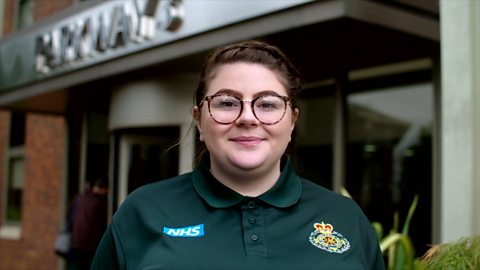
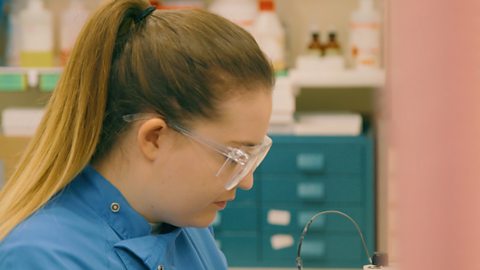
Hear from other young people working in the healthcare and science sectors about what their roles involve and how they got to where they are today. Learn more about both sectors with key facts and figures about current and future opportunities.

Where next?
How can you use Bitesize Careers for National Careers Week?
Expert advice on how to get the most out of Bitesize Careers resources in your classroom.
Explore careers by job sectors
Looking for job inspiration? Check out BBC Bitesize Careers job profiles to help you get started.
More from Bitesize Careers
Hear from young people about the world of work.