University fees in the UK have changed a lot throughout the 20th and 21st centuries.
With recent news that university tuition fees in England will increase every year in line with inflation from 2026 onwards, BBC Bitesize had a look at the timeline of university fees in the UK and how they've changed.

How the UK education system changed after WW2
1944

The 1944 Education Act completely changed our education system. Alongside introducing free secondary schools and setting the school-leaving age as 15 years old, students also sat an 11-plus exam. This exam determined if students would go to a grammar, secondary modern or technical school. This strategy wasn’t perfect, but it did mean that students who attended a grammar school were more likely to attend a university.
This act gave local authorities the ability to support students financially, encouraging and allowing university to be accessible for more people.
1962
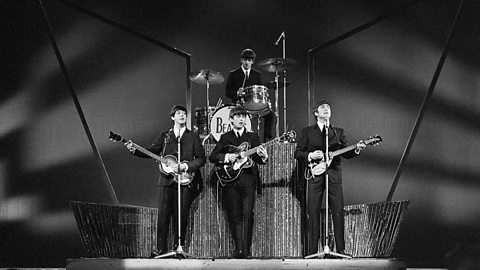
In 1962, means-tested grants were introduced. This meant that fee grants varied per student as it was valued on the household income of the student. Regardless of what income people had, all successful applicants received some support.
Outside the Universities of Oxford and Cambridge, tuition fees were set at £60 for arts subjects and £75 for science subjects. The 1960 Anderson report played an important part in this event, as it rejected the idea of having student loans and recommended a systematic, statutory-based system of outright grants.
1977
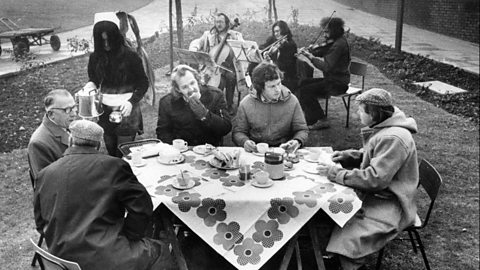
In 1977, students were entitled to have their tuition fees paid by their local authority as well as having a minimum maintenance grant of £80. At this time undergraduate tuition fees for home students rose from £150 to £650 and postgraduate fees were to be set at £750.
1980s
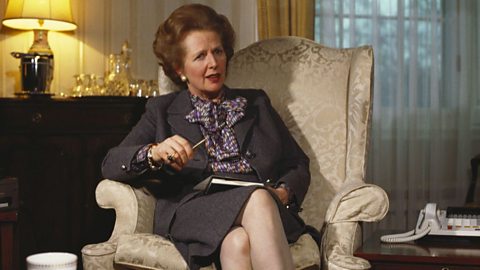
But by the 1980s things started to change. Nothing shifted practically, although government attempted to have fees covered by loans, the subsequent backlash meant the idea was quickly dropped. Yet overall there was an increase in calls for students to bear a greater share of the cost, especially as they were seen as the direct beneficiaries.
1998
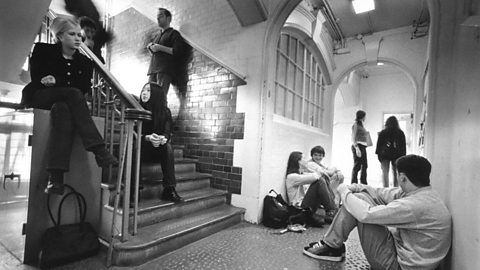
In 1998, the government introduced mean-tested tuition fees of up to £1,000 across the UK. But unlike today, students had to pay upfront. The fees were introduced as a method way to help fund growing student numbers, but even with this increase, there were still concerns about funding.
2004
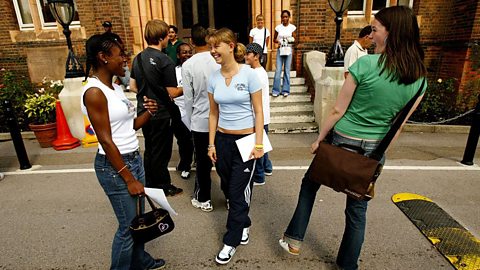
In 2004 it was announced that fees would go up again to £3,000 by the 2006-07 academic year. The fee tripled, but instead of paying upfront, students were allowed to take out a loan which would be repaid depending on their income following graduation. This was met with criticism which led to a commitment that graduates would only make repayments for up to 25 years.
2012
In 2012, fees tripled again to £9,000. This decision was influenced by the Browne report which advocated for a more market-based approach and for the tuition fee cap to be abolished. Universities who charged the full amount were expected to meet stricter requirements for improving access and participation.
2017
In 2017, the tuition cap increased with inflation to £9,250.
2025
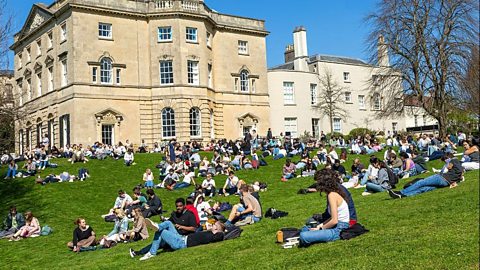
In 2025, the fee cap was increased to £9,585 under pressure from higher education providers about its financial sustainability.
As well as this the government announced that university tuition fees in England will increase every year in line with inflation from 2026 onwards.
According to gov.uk the cost of a typical standard full-time course in the 2026-27 academic year will be £9,790.
For the 2027-28 academic year, a typical standard full-time course will be £10,050.
How do student loans work?
It’s important to point out that financing your studies is different across the UK. England, Wales, Scotland and Northern Ireland all have their own systems. The funding body you apply to is allocated by where you normally live.
Although the tuition fees above apply to England and Wales, the fees are different for Scotland and Northern Ireland - if you already reside there.
Click here for more information about how it’s different.
This article was published in January 2026
Five amazing robots aiming to help the planet
Discover more about the robots aiming to tackle environmental issues

'I went from side hustle to hosting celebrities at my shop'
Rogue Garms founder on how her brand blending retail with content creation and community engagement, came about

Things to look forward to in 2026
BBC Bitesize explores some of the sporting events, films, concerts and more heading our way in 2026