Sure, a family outing to the seaside or the countryside is the classic getaway, but towns and cities can also be a great place for adventure!
Whether you live in a town, in the suburbs, in a village, or maybe you're on a city break with the family, it's easy to inspire your kids with some urban exploration.
Ade Adepitan explains why towns and cities are so much fun to explore as a family
This guide, created in partnership with Ordnance Survey, will help you to get outside with your child and appreciate a vibrant environment that can often get overlooked. It's time to make a map!

Inspire them with a treasure map
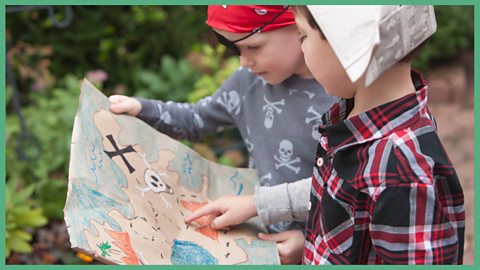
How do you get your child interested enough in maps to want to make their own?
Simple - make them a treasure map!
Use the tips below to create a treasure map of your garden, the local park, or even just your living room - something that they can follow to discover a hidden treat.
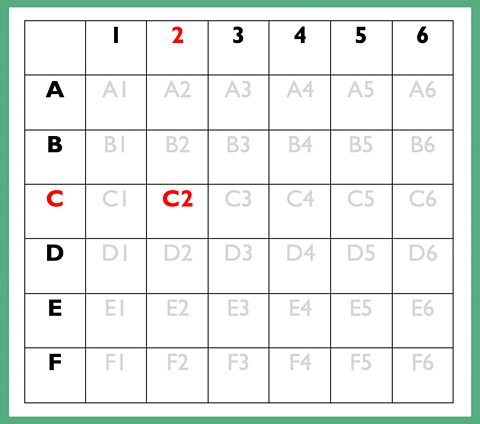
Of course, you could do this the old-fashioned way: with a big 'X', but if you want to sneak in a little map-reading education, you could draw a simple alphanumerical grid system over your treasure map, with letters running down the side and numbers across the top, like this one here.
For example, 'the pirate's treasure can be found at C2!'
'C2' could lead them behind the plant pots, or to the big oak tree, just remember to make these features clear and keep it your map uncluttered. The most important thing is that your child can navigate your directions.
However, for a bit of artistic flair, soak some used tea bags (wait for them to cool, of course), dab the paper and let the page dry to make it look as if the map is really hundreds of years old. Don't forget to fold, crumple and tear a few of the edges!
If you want to raise the challenge a little, you could even leave a series of clues, each leading to another section of the grid, before your child gets to the final prize.
How to get started
What makes a map?
Before they start, help your child think about what their map is going to show and how it's going to be used. Is it a map to locate hidden treasure? Or does it help someone new find their way around the neighbourhood?
They can decide whether it's a big map, or a small one (this often depends on the paper you have to hand) and they'll also think about the layout of the map.
To help your child get started, you can show them this example as we break down its key parts…
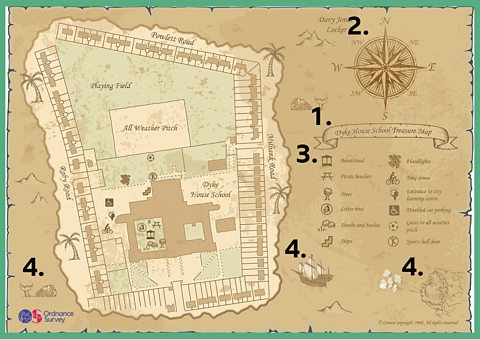
Some features your child might want to include…
1. A title - For example, 'Mo's map of Mersey Road'
2. A north arrow - This shows which direction north is on the map, to help with navigation. You can help your child find north by using a compass, downloading a free compass app on your phone, or even by using the sun (remember, the rises in the east and sets in the west).
3. A key or legend - This tells the user of your child's map what different symbols mean. If they've chosen to represent the playground with a small picture of a see-saw (more on symbols below), then they could write that in the key.
4. Map art - Embellishments aren't too common on modern maps, but they were a staple back in the early days of mapping two or three hundred years ago. Encourage your child to fill the blank spaces on their map with all manner of creatures, perhaps a monster, or, if there's any water on their map, perhaps a whale!
Now it's time to take to the streets together and start mapping! Take a notepad and help your child start a rough design in pencil, which they can fill out as they go along - tracing roads and paths, marking trees and houses and thinking about how to include the places that are important to them.
Colour and design
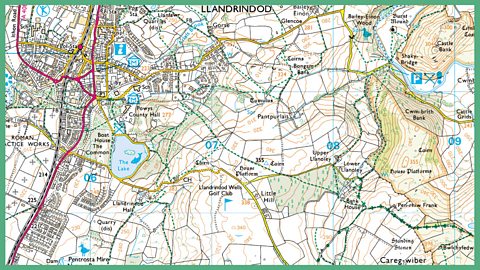
Once you're back from your neighbourhood expedition and have a rough map drawn, it's time for your child to think about the design of their map.
Colour plays an important part on any map. It is a great link between the real world and what's on the page.
Help your child think about the world around them…
If somebody asked them what colour water is, what would they say?
What colour is a forest?
What colour are buildings?
What colour are fences?
What colour are rocks?
The colour they associate with these features should be the colour they use to represent them on their map. Matching colour to the real world makes the navigation of their map a lot easier, as we recognise features quicker.
Look at other maps together for inspiration. There so many potential designs and layouts for your child's map, it can be hard to choose, so looking at what other map-makers have done before should help them decide what they like best - maybe they already have an idea based on the maps from their favourite book, movie or game?
Designing their own symbols
Point symbols on a map represent features that are of interest to the map user.
You'll have seen these many times before on all sorts of maps and they're brilliant at portraying the place or object that they're trying to depict. Look at the two symbols below…
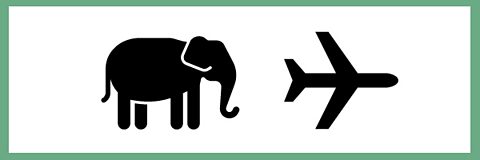
A zoo and an airport - easy!
So, when your child chooses the special places to include on their map, help them think about what images would sum those places up, just like an elephant does for a zoo, or a plane for an airport.
When it comes to point symbols, the map-makers' golden rules are…
Try to keep your symbol as simple as possible. Don’t include too much detail. Icons are normally quite small when shown on maps (1cm x 1cm) and if your symbol has too much detail it can look messy.
Try to stick to two colours. For example, blue and white, red and white or black and white.
So, what if your child loves the local chippy, or wants to include their secret hideout on their map, or the basketball court? Here are three designs they might choose…
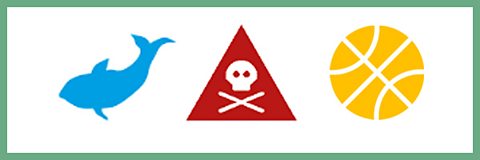
Let them play around with some ideas on a separate piece of paper or notepad until they come up with the final design. Now they're ready to be added to the map!
Harness their imagination!
So you've been on a mapping expedition together, your child has chosen the layout and design of their map, even added a few symbols of their own. Job done. They've made their own map of the neighbourhood!
Now for the final flourish - a little bit of imaginative thinking.
As you marvel at the (almost) finished product together, use your child's interests to get them thinking about the environment represented on their map.
If they love all things fantasy, then ask them, "If a dragon lived in our town, where would they choose to make a lair?". Or perhaps they're partial to a spooky book or TV show, ask them "Which house on your map do you think a vampire to choose to live in?"
Now they can design one last point symbol and add it to their map…
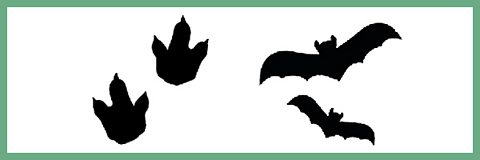
Of course, they don't all have to be scary! Your child can add anything they like to spark a love of their local area - a fairytale castle, a retirement home for bears, or perhaps an invisible school for witches and wizards - anything is possible in the mind's eye.
Now that their map is complete they're well-equipped for many more outdoor adventures!
Ordnance Survey is the national mapping agency for Great Britain, and for more than 230 years has helped people explore the great outdoors, find new places with their OS Maps app and learn new things through their #GetOutside campaign - in doing so keep the nation active, healthy and happy.
More from BBC Bitesize Parents' Toolkit…
Parents' Toolkit
Fun activities, real-life stories, wellbeing support and loads of helpful advice - we're here for you and your child.

Parents' Toolkit: Help your child's learning. collection
We've got loads of tips and advice for parents to help their children with school and learning.

Five ways to make bird watching a fun family activity
The joy of watching birds is that almost anyone can do it with the minimum of effort. Find out how your family can get involved with this Bitesize article.
Seven ways to get your kids outdoors
Getting your teens out of the house and into nature can boost their health and wellbeing. Tips on how to do it from parents who are outdoors enthusiasts.
Up-cycling at home: ideas to get crafty with your kids
Crafty ideas for turning everyday objects, destined for the recycling bin, into fun activities for kids at home.