You spend a lot of your life online - scrolling, sharing, reacting. But you are not the only one.
Hidden among real people are bots: fake accounts run by software, not humans, trying to grab your attention, shape your opinions, or even trick you. They don’t look like robots from films. Instead, they look like normal profiles: a selfie, a bio, a few posts. But behind the scenes, they are automated programmes designed to repeat the same actions over and over again.
You can see how much trouble these bots can cause in episode two of Other Side of the Story's Solve the Story drama. But fear not! We’ve asked the team at BBC Monitoring, who specialize in looking at how bots and other influences affect the media, to break down what bots are, how they work and how you can avoid being played.
What are social media bots?
A bot is a computer programme that performs tasks automatically on the internet. On social media, that usually means:
- Liking, sharing, posting, and commenting without a human pressing the buttons each time.
- Pretending to be real people, often with names, photos, and posts that look convincing.
You can find bots on platforms you probably use every day: X, Instagram, TikTok, YouTube, Facebook, Twitch, Discord - and even inside games like Roblox.
Not all bots are bad. Some are designed to be helpful - posting sports scores, weather updates, or flight delays. Many of these openly identify themselves as bots.
The problem is with the other kind - the ones designed to manipulate, mislead, or scam. They can spread fake news, boost certain posts or hashtags, promote scams, harass users, or even try to influence real‑world events.

With the rise of AI, these bots have become more convincing. They can post faster, mimic human behaviour more realistically, and slip past platform moderators more easily.
Their main goal is to make certain content look popular or important - even when it’s false or misleading. They do this in several ways:
1. Posting content
Bots can automatically publish fake or harmful text, images, and videos. They take advantage of platform algorithms to push this content into people’s feeds and make it trend.
2. Amplifying content
Bots often work in coordinated groups. They like, share, and comment on each other’s posts to make them seem widely supported. They can also hijack trending hashtags or jump into the comments of popular posts to spread their messages further.
3. Impersonating real people
To appear trustworthy, bots may create fake profiles or take over old, inactive accounts. They use human‑like language to avoid detection. Some even use AI‑generated images or videos of celebrities or public figures, or pretend to be well‑known news outlets or organisations to make their posts seem credible.
Can bots influence your opinions?
Short answer - yes.
According to the Reuters Institute Digital News Report 2025, more people - especially younger users - now rely on social media as their main source of news. In the UK, it’s around one in five.
Because platforms still struggle to handle the huge amount of misleading content posted every day, users can easily be influenced by bot campaigns designed to shape opinions or behaviour.
These campaigns often spike during major events like elections, political summits, or big breaking news stories.
For example, during the recent World Economic Forum in Davos, French President Emmanuel Macron wore sunglasses while speaking to world leaders. That small detail sparked a wave of AI-generated videos on X claiming he was hiding black eyes.

In reality, Macron was seen at a public event a week earlier with one visibly red eye - a condition he described as “benign” and “insignificant”. He even joked about it, calling it the “eye of the tiger”, in reference to the song from the film Rocky III, the BBC reported.
Similarly, after the French Crown Jewels were stolen from the Louvre Museum in October 2025, videos circulated on X posing as reports from credible news outlets. They falsely claimed that the Egyptian Museum had offered to buy Egyptian exhibits from the Louvre “before they are stolen”.
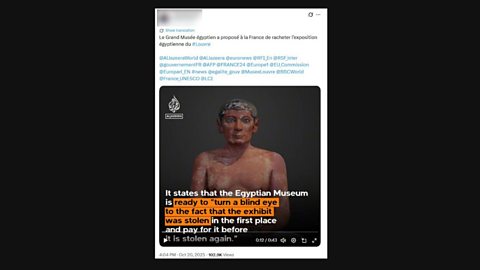
Even when stories like these seem obviously fake, flooding social media with them can still work - especially among people who don’t always fact-check what they see. Such campaigns can create the illusion that “everyone thinks this”, and slowly damage trust in leaders, institutions, and even in the idea of truth itself.
Staying sharp online - the four tips
Staying switched on can help you avoid being manipulated. Here are a few tips to make sure bots don’t fool you:
Do your own research (DYOR)
Bots often use emotional, urgent, or exaggerated language to shock you into reacting. If a claim seems dramatic, too perfect, or just off, pause. Search for the same story on reliable news websites or check official sources before you believe it or share it.Check the author
If a post feels suspicious, look closely at the account behind it.- Activity: Posting constantly, at all hours, or barely interacting can be a red flag.
- Profile picture: Bots may use stock photos or AI‑generated faces that look slightly “too perfect”.
- Account age: Brand‑new or throwaway accounts are often used in bot campaigns.
- Activity: Posting constantly, at all hours, or barely interacting can be a red flag.
Also look at how the account interacts with others - bot networks often boost each other with the same likes, reposts, and copy‑paste comments that don’t fully make sense.
- Use critical thinking
Bot campaigns are designed to push your buttons - anger, fear, outrage, or even excitement. Before you react, ask yourself:- What is this post trying to make me feel or believe?
- Who might benefit if I believe or share this?
If the answer isn’t clear, treat the content with extra caution.
Be careful with links.
Bots often share links to fake or harmful websites that pretend to be legitimate. These sites might spread false information, sell scam products, or try to collect your personal data.- If you want to check a claim, use a search engine to find trusted sources instead of clicking a random link in a post.
- If you’re unsure, you can always check out Solve the Story's guide on spotting bot accounts and test yourself with our scam‑awareness quiz!
Find out more how bots can affect people in The Noise, the second episode of Other Side of the Story's Solve the Story.
BBC Monitoring tracks and analyses media published all over the world.
This article was published in February 2026

Not sure if the news you’re seeing on social media is true or false? Can you always tell if the things you see online are real or fake? Learn how to get the other side of the story with our quizzes, videos and explainers.
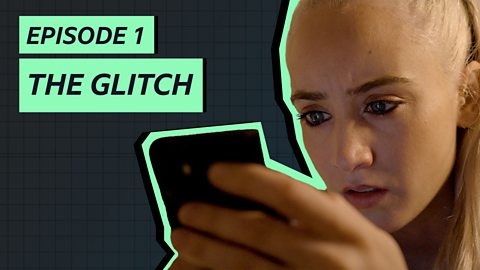
Solve The Story: Episode 1
The Glitch: A fake viral video puts Misha in the spotlight for all the wrong reasons. Spot the clues, uncover the truth, and help Solve the Story.
Solve The Story: Episode 3
The Skew: When an online influencer skews the viral video for clicks, the backlash intensifies and Misha spirals deeper into the noise. Analyse the posts, uncover the agenda, and help Solve the Story.