What is Bonfire Night?

Bonfire Night takes place every year on 5 November.
In the UK, bonfires, fireworks and sparklers are lit in parks and gardens all over the country.
Sometimes a dummy called a 'guy' is burned on the bonfire.
The guy represents Guy Fawkes, who was part of the Gunpowder Plot.
Guy Fawkes tried to blow up the Houses of Parliament a long time ago, but he was stopped.
History

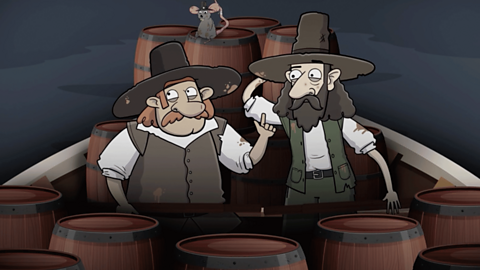
Over 400 years ago, 36 barrels of gunpowder were found hidden under the Houses of Parliament.
Guy Fawkes and twelve other men wanted to blow up the building.
You can find out why by looking at the information, videos and activities below.
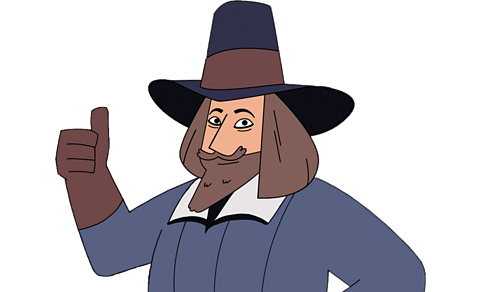
Who was Guy Fawkes?
Guy Fawkes was born in York in 1570.
He became a Catholic and fought for the Spanish army.
In November 1605, he and a group of plotters tried to blow up Parliament and King James I.
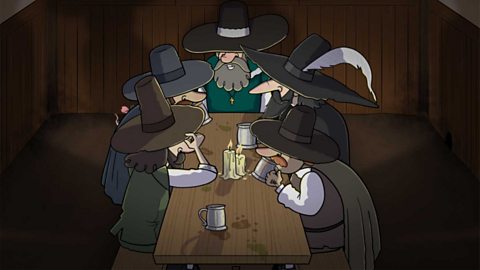
Some of his old school friends were also involved in the Gunpowder Plot.
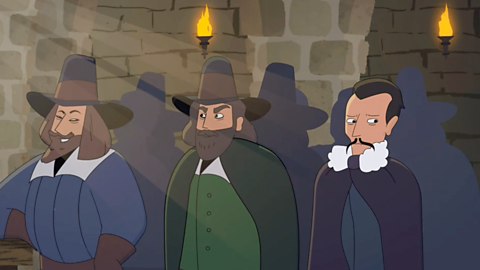
What was the Gunpowder Plot?
The Gunpowder Plot was a plan by Guy Fawkes and the others to blow up Parliament and King James I. It was in protest at the King's treatment of Catholics.
Guy Fawkes was going to light the fuse to the gunpowder but he was caught in the cellars of the Houses of Parliament with the gunpowder and arrested.
He was sent to the Tower of London, put on trial and executed in Westminster.
Activity - Astonishing activists game
Go back in time and meet Guy Fawkes and other important people who wanted to change the world in this fun history game.

Did you know?
A law was passed in 1606 to make sure that the failed Gunpowder Plot was celebrated every year.
The law remained in place until 1859, but we still celebrate it to this day.
Fireworks are lit as a symbol of the explosions that would have happened if the plot hadn't been uncovered.
Discover more on KS1 History
You can learn more about Guy Fawkes and other important figures in history by following the links below.
The Gunpowder Plot. revision-guide
KS1 History
Who was Marie Curie? revision-guide
KS1 History
Who was Nelson Mandela? revision-guide
KS1 History

Art and Design

There are lots of exciting ways to create a picture of bonfires and fireworks.
Painting with a brush, a sponge or even your fingers can create interesting patterns and shapes.
Have a look at the information and activities below to learn more about different ways to create art.
What is Expressionism?
Expressionism is painting to show how you feel about something, rather than painting what it actually looks like.
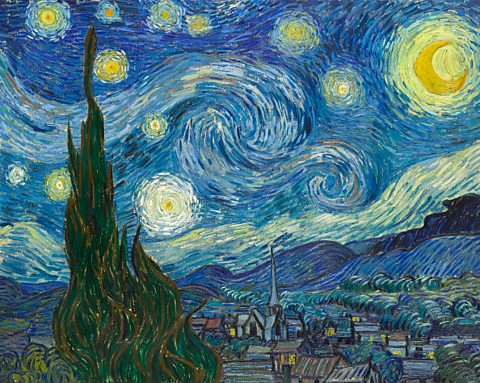
Vincent van Gogh was an expressionist painter.
His painting, 'The Starry Night' shows a sky full of swirling brush marks that look a bit like fireworks.
Activity - Paint your own fireworks picture
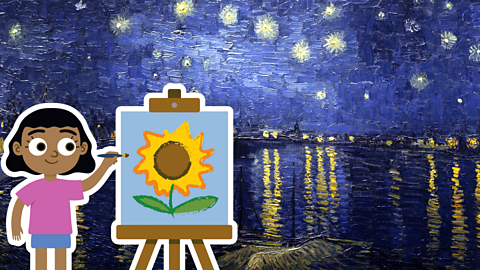
Have a go at creating your own expressionist fireworks painting.
You could use something interesting to make patterns, such as a sponge to dab the paint, or a straw to blow the paint on the paper.
If you have some, why not add some glitter to make your fireworks really sparkle?
Discover more on KS1 Art and Design
You can learn more about expressionist art and famous artists by clicking the links below.
What is expressionist painting? revision-guide
KS1 Art and Design

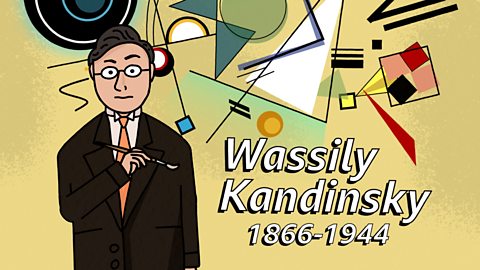
Who was Wassily Kandinsky? revision-guide
KS1 Art and Design
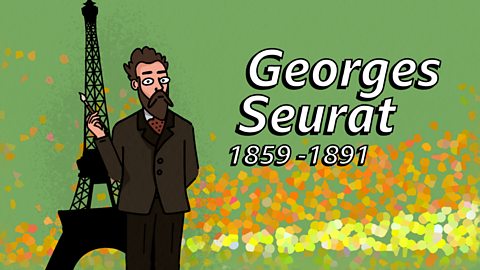
Who was Georges Seurat? revision-guide
KS1 Art and Design
English

Writers and poets have written about historical events for centuries.
It is a way to tell people years later what happened in history and why.
Take a look at the information and activities below to learn more.
Bonfire Night poem
Sometimes a poem or a song can help us to remember the facts of an event in history.
Here is a well-known poem all about the Gunpowder plot:
Remember, remember,
The fifth of November,
Gunpowder, treason and plot.
I see no reason,
Why gunpowder treason,
Should ever be forgot.
You can hear the full poem set to a song from BBC Teach School Radio in the video below.
Remember, remember,
The fifth of November,
Gunpowder, treason and plot.
I see no reason
Why gunpowder treason
Should ever be forgot.
Fireworks fizzle
And bonfires burn….
Stories from history,
What can we learn?
Remember remember,
The fifth of November,
Gunpowder, treason and plot.
I see no reason
Why gunpowder treason
Should ever be forgot.
Ticking of clock
And ringing of bell….
Time goes on
And time will tell….
Remember, remember,
The fifth of November,
Gunpowder, treason and plot
I see no reason
Why gunpowder treason
Should ever be forgot.
Remember remember…
Remember remember…
Remember remember…

Activity - Write your own Bonfire Night poem
Create your own short poem about Bonfire Night.
How will you describe the colours?
What do the fireworks sound like?
What can you smell?
Discover more on KS1 English
Click these links to help you to make your poem even more amazing!
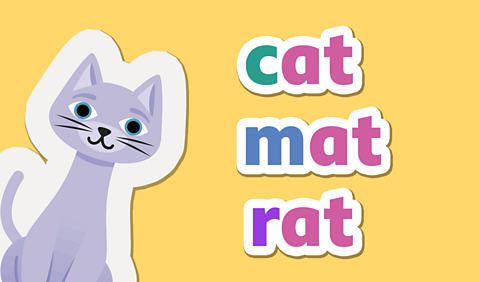
What are rhyming words? revision-guide
KS1 English
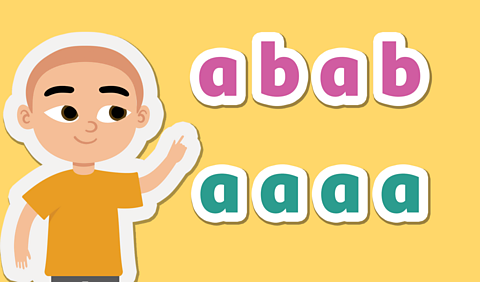
What is a rhyme scheme? revision-guide
KS1 English
How to write a poem. revision-guide
KS1 English

CBeebies Bonfire Night quiz
Put your Bonfire Night skills to the test with this quiz.
More resources from the BBC
You can find many more amazing resources from around the BBC.
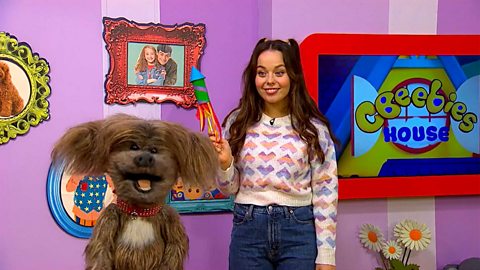
Firework Star Hat. activity
CBeebies: Let's Go Club

Where next?
Play Bitesize Primary games. game
Fun and educational primary games in science, maths, English, history, geography, art and design, computing and modern languages.