Remembrance on the BBC

- Published
Remembrance is marked each year on the second Sunday of November to commemorate the dead of both World Wars and other conflicts.
Here is a selection of clips from the BBC archive that explore how Britain has paid tribute to the fallen across more than a century.
Memories of Armistice Day
Former WW1 munitions workers talk about Armistice Day
In this clip, these women describe how they felt when Armistice Day was declared on 11 November 1918.
They had carried out dangerous work during World War One at the Royal Arsenal in Woolwich, London, making shells and ammunition for the men in the trenches.
Originally broadcast 9 May 1977.
Armistice Day: What would you have done in World War One?, external
Remembrance between the wars

In this photograph from 1928, a BBC radio engineer is attaching microphones to a tree to capture the sounds of the commemoration at Whitehall, London

This photo shows the BBC camera crew at the Cenotaph in 1938; less than a year later, Britain was at war again
The Cenotaph in Whitehall, London, was initially a wood and plaster construction intended for the first anniversary of the Armistice in 1919.
When it was shown to the public, the base of the monument was spontaneously covered in wreaths to the dead and missing, so the government decided a permanent and lasting stone memorial was needed.
Since it was unveiled in 1920, the Cenotaph has been a focal point for the UK’s remembrance of those killed in past conflicts.
War breaks out again
A message of hope and encouragement to the women of Europe.
In September 1939, less than 20 years after Armistice Day, Britain was again at war with Germany.
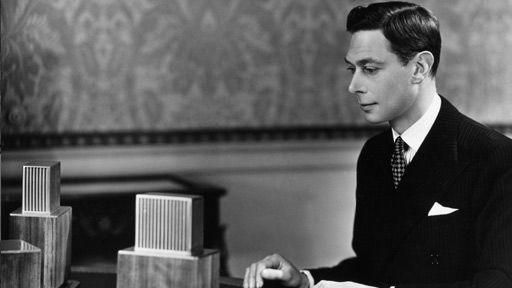
Broadcast on Armistice Day in 1939, this message from Queen Elizabeth, at the time consort to King George VI and later the Queen Mother, is a tribute to the women of Europe.
“For 20 years, we have kept this day of remembrance as one consecrated to the memory of past and never to be forgotten sacrifice," she says.
“And now the peace, which that sacrifice made possible, has been broken, and once again we have been forced into war.”
On behalf of the female population of Britain, she sends her sympathies to the women of Poland and France, who have been among the first to experience the hardships of war. She also commends the fortitude of women who have played an active role on the Home Front, particularly those who have opened their homes to children evacuated from places of "special danger".
First remembrance after World War Two
Report on the first Remembrance Day after the end of World War Two
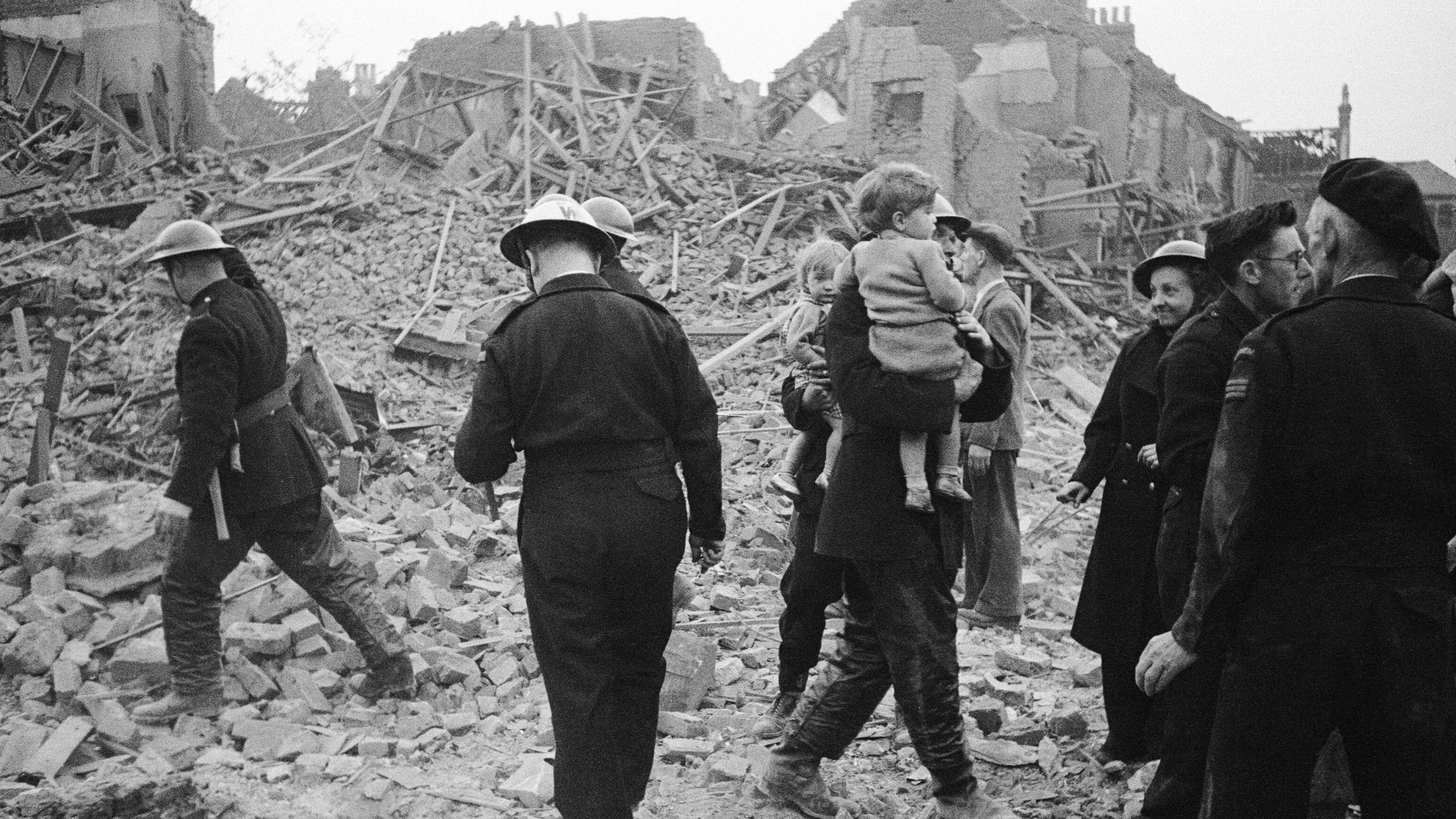
No official Armistice Day services were held while the fighting continued. How could Britain honour those who died in the 'war to end all wars' when just two decades later the lessons of that conflict appeared to have been forgotten?
In 1946, a year after the end of World War Two, the second Sunday in November was designated as Remembrance Sunday, in commemoration of both wars.
The BBC ceased television broadcasting upon the outbreak of World War Two, but service was resumed in June 1946. In November that year, its cameras were there to record the national remembrance commemorations.
This clip is from First-Year Flashbacks.
Children's thoughts on remembrance
Children talk about why it is important to continue to remember those killed in wars
“I think that the children of the world should all get together and decide to be friends, then when we all grow up, we will refuse to go to war to fight each other.”
By the 1960s, a whole new generation was growing up with no memory of war.
In this clip from Tonight, children from the Aida Foster School read from their essays about what remembrance means to them.
Former enemies meet in Flanders Fields
Tonight's Alan Whicker follows WW1 veterans as they return to Ypres
In the same 1961 edition of Tonight, the BBC's Alan Whicker travelled from Dover with veterans of World War One to Ypres, where some of its bloodiest battles were fought.
Decades after the war ended, the report shows how memories remained vivid for these old soldiers as they revisited battlefields now restored as tranquil countryside.
While some still found forgiveness hard to come by, there is an emotional meeting in the town square with their former enemies who have travelled by coach from Germany.
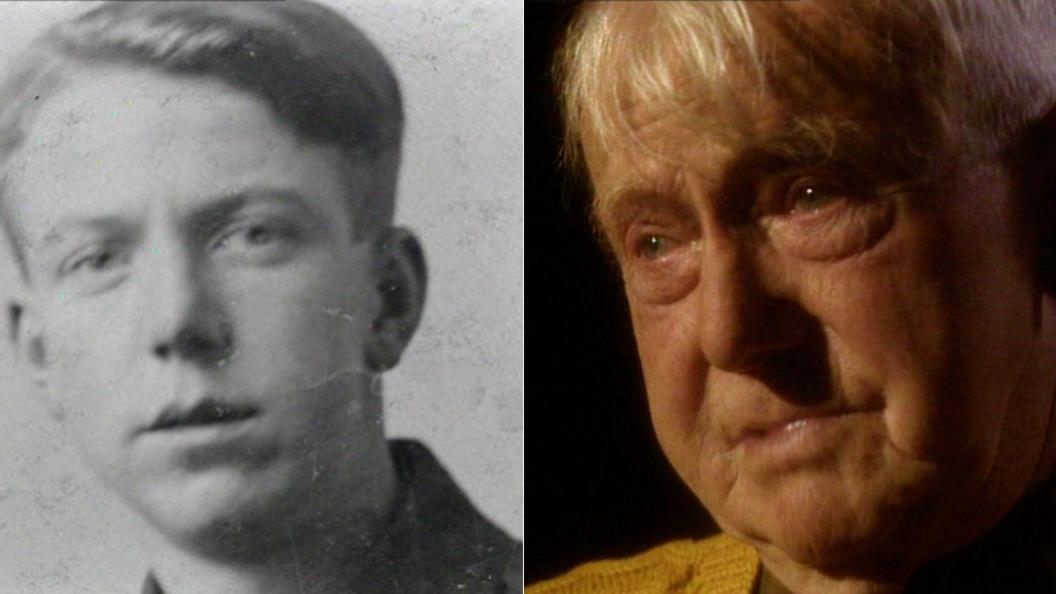
A veteran speaks
In this BBC News clip, Lord Fraser is asked whether he thinks Remembrance will continue
As World War One receded further into the past, debate over the future of remembrance intensified in the 1960s.
In 1967, there were more than 1,500,000 surviving veterans of World War One, but amid fears the commemoration would eventually die out, there was a debate about whether it needed to be modernised.
Blinded during World War One, Lord Fraser of Lonsdale was a founding member of the Royal British Legion.
He disagreed with any attempts to broaden the appeal of Remembrance Sunday, saying: “Let it be hallowed for what it was, and let it die out if it’s going to die out.”
This clip is from BBC News.
Personal memories
Two milkman talk about how they appreciate Remembrance Day television coverage
“It’s the most moving day of the year to me.”
To mark the Queen’s Silver Jubilee in 1977, people gave their views about their favourite television programmes of the previous 25 years.
These milkmen were part of a generation who had fought in World War Two, and the importance to them of Remembrance Sunday is evident here.
This clip is from Thanks for the Memory: The Viewer's View.
The forgotten soldiers
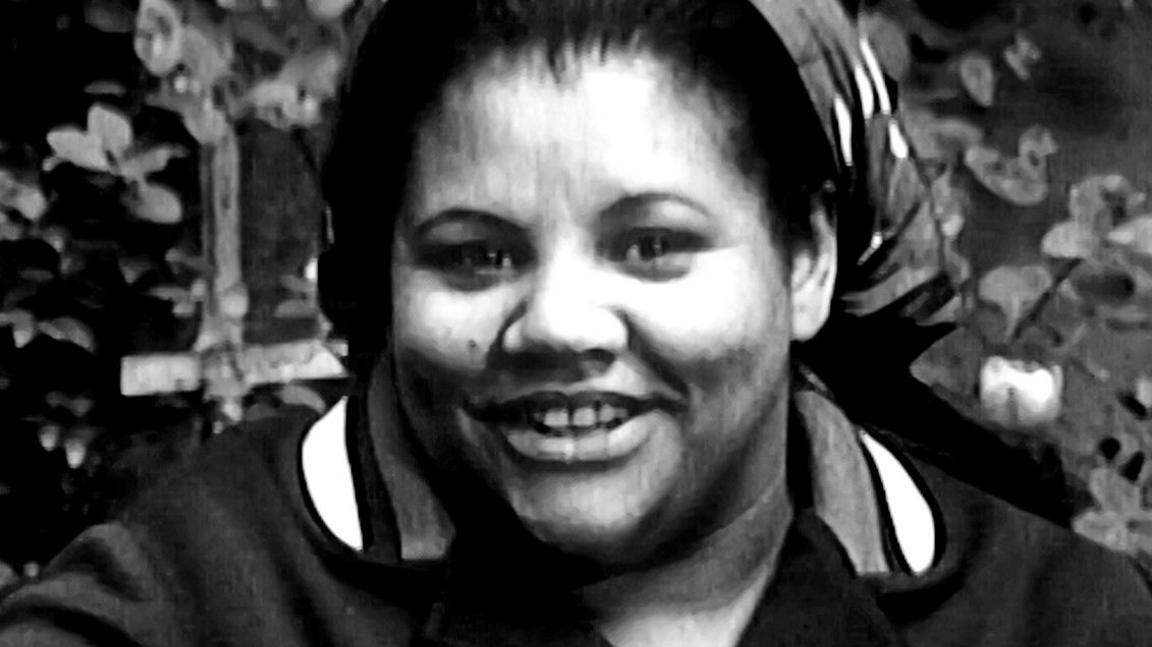
Ex-servicemen and women from the West Indies talk about their roles in WW2
"I said to a bloke one day I was in the Russian army. I was only pulling his leg but he believed me."
Millions of people from throughout the British Empire and Dominions enlisted to help in both World Wars.
Ebony looks at the often overlooked contributions of thousands of men and women from Caribbean colonies who signed up during World War Two.
Stories of personal loss
In this Remembrance Day programme, viewers write asking people to pray for loved ones
"We pray for all whose hopes and plans were shattered by war."
This religious programme broadcast on Remembrance Sunday featured poignant letters from viewers seeking people's prayers.
This is the Day was billed as "an invitation to join in an act of worship which links you with other viewers round the country through television".
Pages of the Sea
To mark the centenary of Armistice Day, images of WW1 poets were created on beaches
Exactly 100 years after the end of World War One, giant portraits of fallen soldiers were etched on beaches across the UK.
Volunteers were given stencils and rakes to create the large-scale images.
The faces were later washed away by the incoming tide.
Pages of the Sea was conceived by Oscar-winning director Danny Boyle.
This clip from BBC News was originally broadcast on 11 November 2018.
Related topics
More from BBC Archive
- Published1 November 2024
- Published2 September 2024
- Published11 June 2024
- Published25 June 2024
- Published26 June 2024