10 Pieces to Get You Started
Here are ten pieces with different styles and sounds to give you a flavour of what you’ll find in Experience Classical. Have a listen, see what you like, and then click back and explore hundreds more recordings, radio programmes and podcasts in our different categories – from Composers to Instruments, Mood to Cutting Edge and Popular Classics to Discovery!
Baroque beauty
One of Johann Sebastian Bach’s most famous works, the two violins weave in and out and go fast and slow to create something elegant and transporting.
The first and third movements are fast and exuberant, bookending a slow central section of great beauty.
Music was in Bach's blood, having grown up surrounded by string- and keyboard-playing relatives who passed on their skills.
A melancholy hit
While it may be one of the saddest pieces in all of classical music, that hasn’t stopped this tune from twice reaching the pop charts (William Orbit in 1999; Dutch DJ Tiesto in 2005).
Many people first heard it in Vietnam war movie Platoon, which won the Oscar for best picture in 1986, but it was actually created 50 years earlier by the American composer Samuel Barber at a time of personal and international turbulence.
Can't fight the moonlight
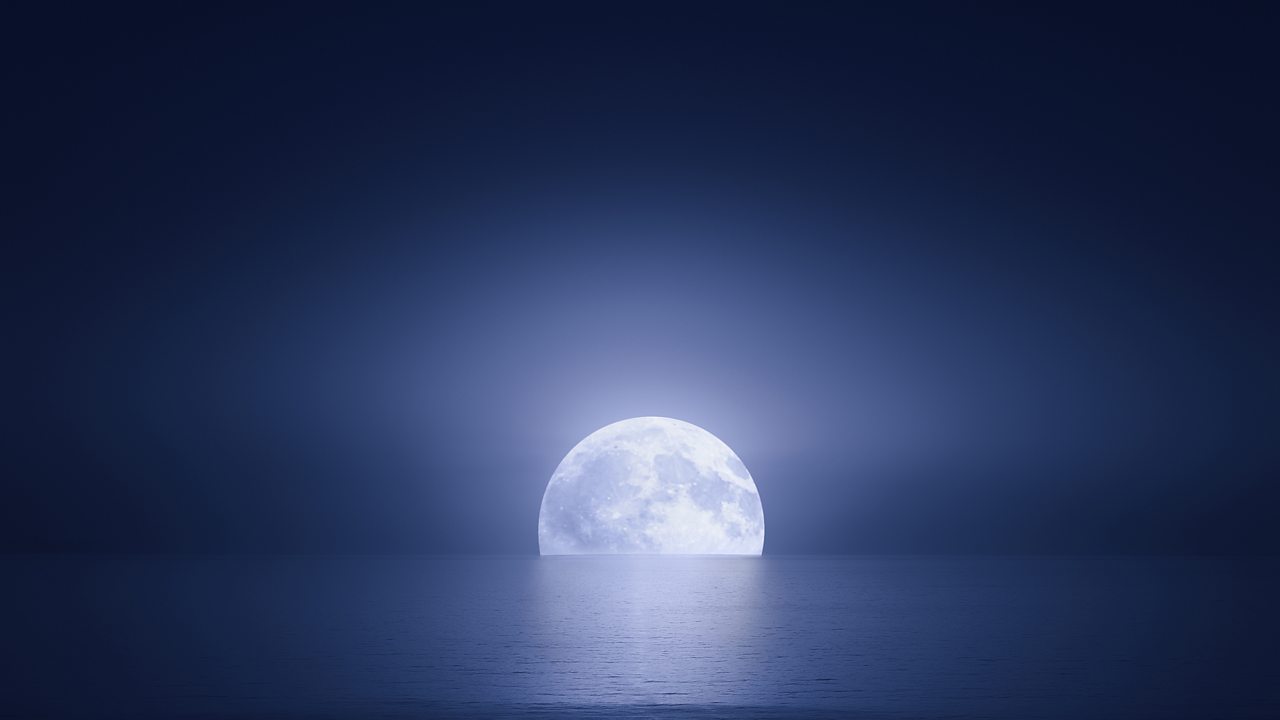
It wasn’t called the Moonlight Sonata until five years after Beethoven’s death, but it’s easy to hear why it was given that nickname.
The first movement is dreamlike; an atmosphere that flows around you like a mysterious fog, leaving you lost in the glow.

Jets versus Sharks, remixed
Leonard Bernstein captures in sound the urgency of New York street life in these extracted sections from his Broadway musical West Side Story.
Containing elements of some of its timeless songs such as Somewhere and Maria, this is a continuous suite of movements that takes you on a thrilling journey through a passionate love affair across ethnic boundaries.
Gregorian glory
The French organist-composer Maurice Duruflé (1902 – 1986) didn’t write many pieces but the ones he did were all exquisite in their own way.
Combining 12th Century singing with 20th Century orchestration, this choral requiem draws most of its themes from Gregorian chant to create an atmosphere of peace, serenity and consolation.

Mournful strings
Written in 1919 just after the end of World War One, Edward Elgar’s melancholy and powerful work has become one of the major pieces for solo cello.
For decades, it remained something of a sleeper hit after a disastrously under-rehearsed premiere performance hurt its critical reputation, but it made a stunning comeback in 1965 when 20-year-old cellist Jacqueline du Pré's recording topped the classical charts.
Star signs
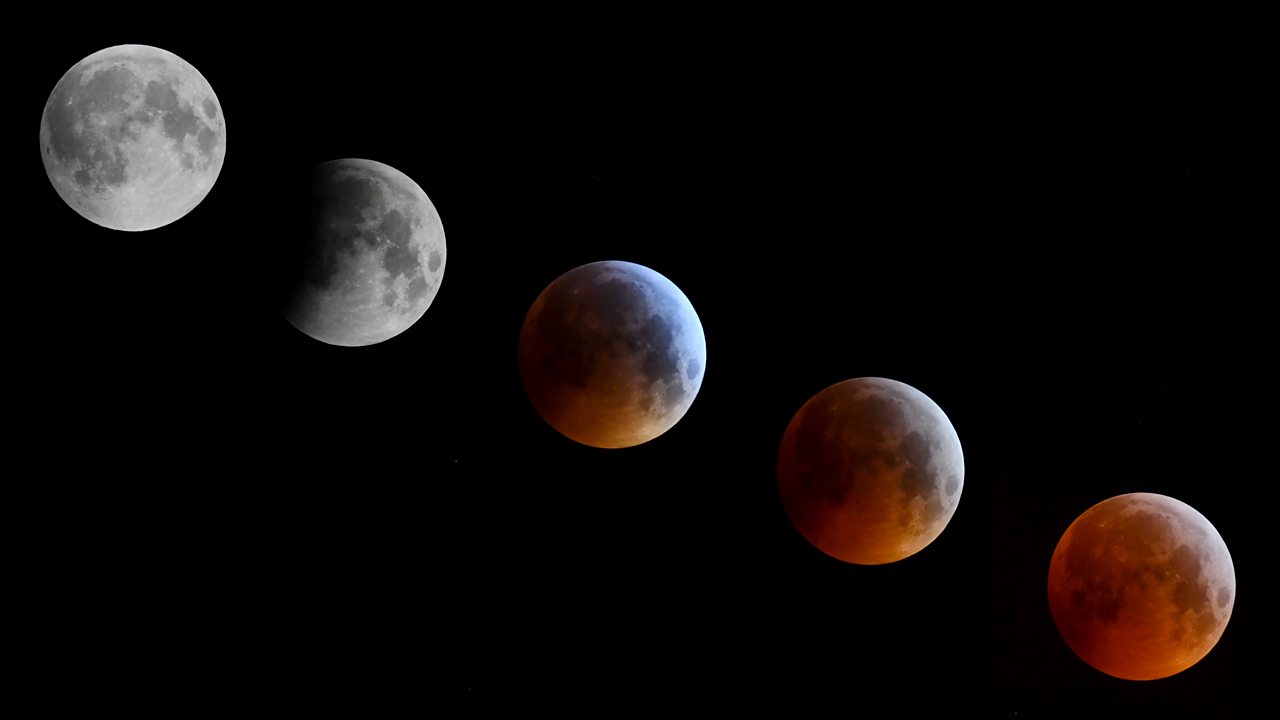
Astronomy is the inspiration for Gustav Holst’s suite of seven orchestral pieces named after the planets of our solar system.
This extraordinarily colourful and varied work is orchestration done on a massive scale, from the frankly scary opening of Mars, the Bringer of War, to the final section, Neptune, where the female chorus fades away to nothing, as if by magic.
Letters from the front
This choral and orchestral piece by Scottish composer Anna Meredith demonstrates that classical remains living, breathing music for today.
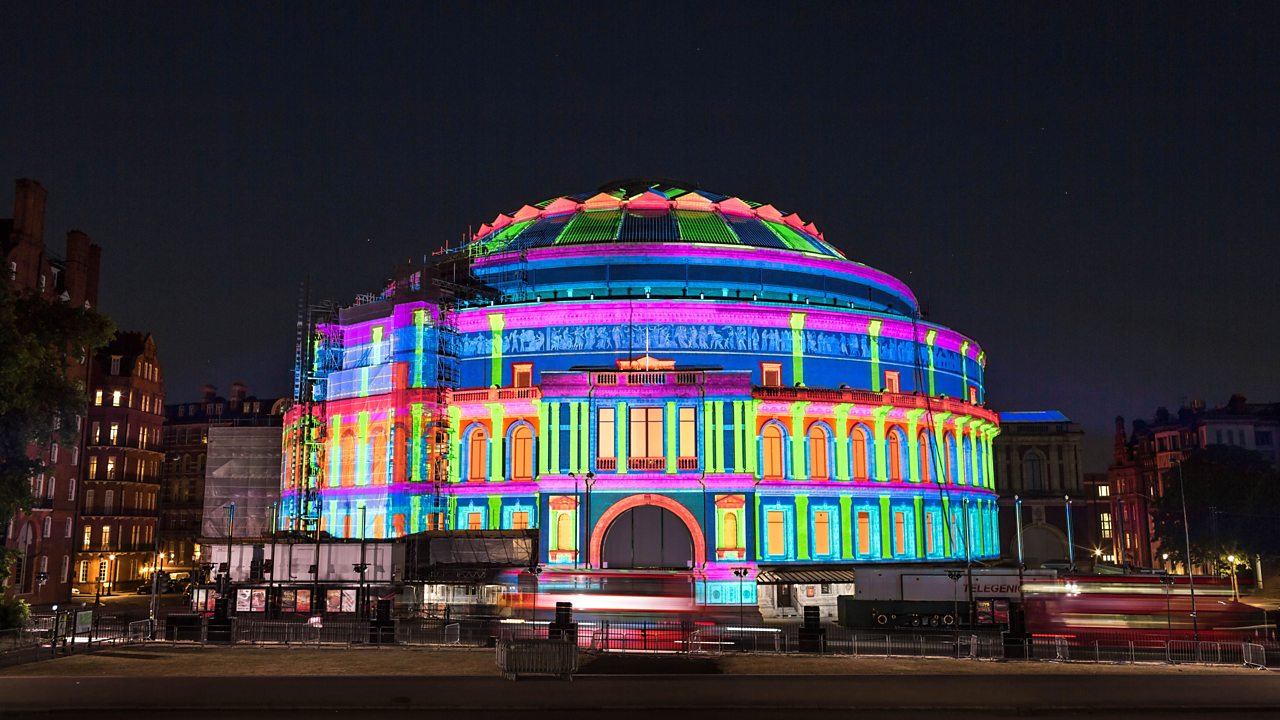
The 25-minute BBC Proms and Edinburgh Festival commission was first performed in 2018 at London’s Royal Albert Hall, where it was accompanied by mesmeric digital projections on both the outside and inside of the building.
The piece is based on the communications systems used during the First World War, including soldiers’ “field telegrams”, hence the title. These were the multiple-choice postcards which soldiers in the First World War trenches could fill in and send home.

Pioneering spirit
Born in Arkansas in 1887, Florence Price overcame discrimination to become the first African-American to have her music performed by a leading orchestra.
This work, her third symphony, was commissioned at the height of the Great Depression by the government Works Progress Administration's Federal Music Project.
A grand entrance
How’s that for a dramatic opening? Tchaikovsky's concerto springs immediately to life with blaring horn calls; the opening piano chords are hammered out while the orchestra plays the soaring opening melody, before it is taken up and elaborated by the piano.
This sets out a pattern for thrills to come, where great flourishes of virtuoso piano do battle with the orchestra.
