Dunkirk - What If...?
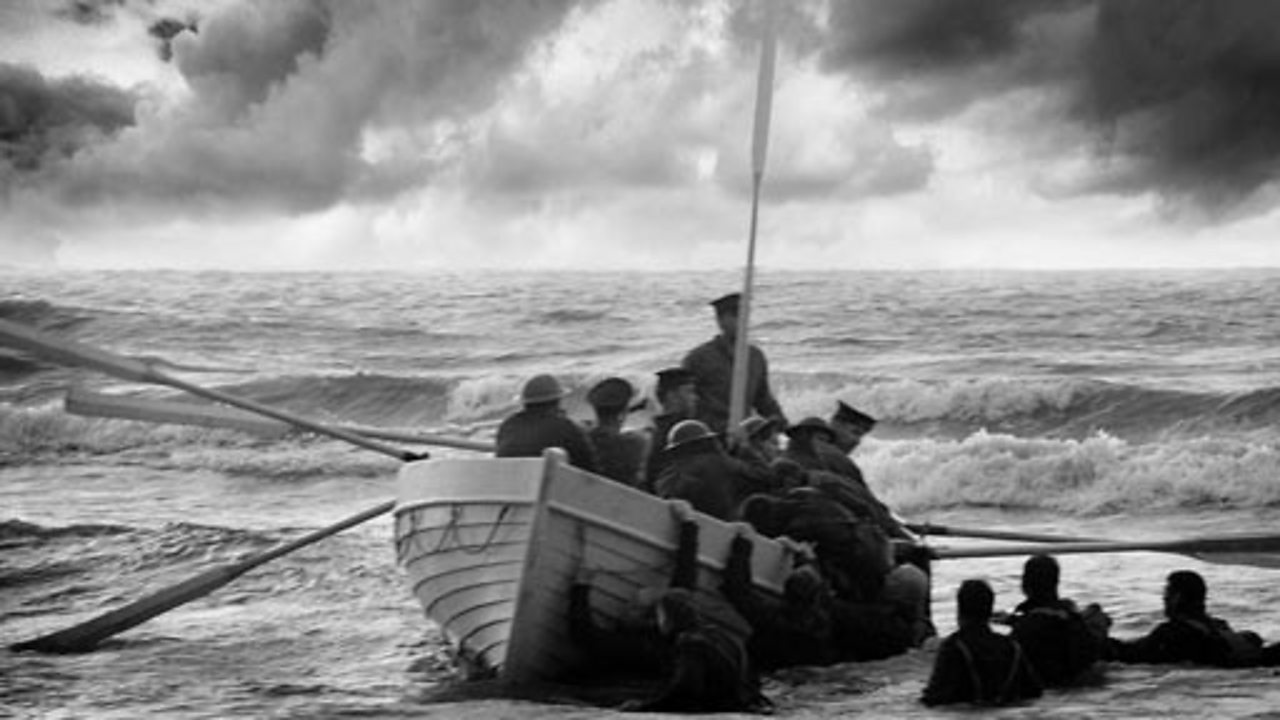
On 24 May 1940, Hitler ordered his force of 3,000 Panzer tanks, which had been sweeping across northern France, to halt just outside Dunkirk. Why did he make this decision and what if he had not done so? Using contributions from historians and analysis of Churchill's documents, this programme considers the alternative scenarios had the British forces (almost 250,000 men) not escaped via Dunkirk. Thus it is determined that Dunkirk was the most dangerous chapter in the war and there could have been a dramatically different outcome if the Panzers had advanced.
The Panzers enabled the German army to invade France successfully. The ten Panzer divisions involved in the campaign comprised 2,574 tanks (almost the total number Germany possessed) and various mechanised regiments. Hitler had begun manufacturing tanks secretly after he came to power in 1933, in contravention of the Treaty of Versailles, but the production programme became public knowledge in 1938.