|
 |
 | | | | | | |||||||||||||||||||||||||||||||||||||||||||||||||||||||||||||||||||||||||||||||||||||||
| | | You are in: UK: Wales | |||||||||||||||||||||||||||||||||||||||||||||||||||||||||||||||||||||||||||||||||||||||||
|
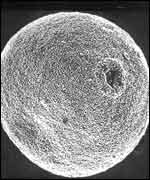
| | Tuesday, 4 February, 2003, 11:34 GMT Climate change doubles hay fever season  People with hay fever have an allergy to pollen Hay fever sufferers in Cardiff have been warned that their symptoms will last longer because climate change has lengthened the pollen season. According to research the grass pollen season in the city lasts twice as long it did 50 years ago.
Scientists - who blame the change on global warming - say the results of pollen studies in the Welsh capital mirror the trend across the UK. The traditional season for this type of pollen - which triggers hay fever in 95% of sufferers - used to last about five weeks, from mid June to mid July. But in recent years, scientists have seen the period stretch to eight weeks, beginning at the start of June and continuing until the beginning of August. Dr Ken Jones, who leads a team at the University of Wales Institute Cardiff (UWIC) said: "We provide the pollen count for Cardiff. "We have seen the changes in the levels of grass, tree and weed pollen and our data matches the national trend.
"Because we seem to be having more warm, wet springs and warm autumns and winters, the grass is growing for a lot longer and gets going a lot quicker. "Grass pollen has stretched to an eight week season. "Fifty pollen grains per one cubic metre of air is enough for people who are sensitive to have symptoms," he said. The team measure the number of grains in the air using a pollen and spore trap. In response to the lengthening season, the Woodland Trust and the National Pollen Research Unit are asking people to record early flowering grasses as part of the UK Phenology Network survey which monitors the timing of nature's events in a changing environment.
Professor Jean Emberlin from the National Pollen Research Unit said: "Last year the grass pollen season was exceptionally long because it was wet and warm. "The season extended into August instead of ending in July. "Generally hay fever is affecting more and more people. "Numbers have risen since 1965 when between 10 to 12% of the UK population were affected to today's figure of 15 to 25% in the population as a whole. "By letting us know when you see trees and grasses beginning to flower, it will give us information about flowering times in advance of pollen release. "And it will help us to improve forecasting the start of pollen seasons. "This will help you to take your medication at the right time," she added. | |   See also: 16 Sep 02 | Health 17 May 01 | Health 16 May 01 | Health 09 Jul 99 | Medical notes 19 Jun 02 | Europe 11 Feb 02 | Science/Nature Internet links: The BBC is not responsible for the content of external internet sites Top Wales stories now: Links to more Wales stories are at the foot of the page. | |||||||||||||||||||||||||||||||||||||||||||||||||||||||||||||||||||||||||||||||||||||||
 | |
|  E-mail this story to a friend E-mail this story to a friend |
| |
| Links to more Wales stories |
| | | ||
 | ||||
 | | Back to top
| ||
| ---------------------------------------------------------------------------------- To BBC Sport>> | To BBC Weather>> | To BBC World Service>> ---------------------------------------------------------------------------------- © MMIII | News Sources | Privacy |




 Grass pollen has stretched to an eight week season