|
 |
 | | | | | | |||||||||||||||||||||||||||||||||||||||||||||||||||||||||||||||||||||||||||||||||||||||||
| | | You are in: UK: Wales | |||||||||||||||||||||||||||||||||||||||||||||||||||||||||||||||||||||||||||||||||||||||||||
|
| | Tuesday, 19 November, 2002, 15:07 GMT Cancer 'bank' to help research 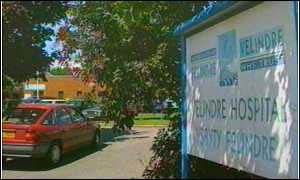 Cancer treatments are carried out at Velindre Hospital Wales could move to the forefront of developing treatment for cancer following the announcement of a new research centre. The centre will provide facilities to store tumour and blood samples which will be used for research now and in the future. The Wales Cancer Bank will form part of the Welsh Translational Research Centre, which will enable the NHS in Wales to participate in UK-wide research.
The bank will store samples from patients who have given permission for more research to be done on their tumours and blood. Money will be provided for the centre by the Welsh Assembly Government, although no details of amounts or a timescale for setting up the centre have been finalised as yet. Backers of the plan hope the initiative will eventually form a part of the National Translational Cancer Research Network (NTRAC). Announcing the centre, Welsh Health Minister Jane Hutt said: "The NHS in Wales can participate in UK-wide development that aims to get new methods of diagnosis and new treatments for cancer out of the laboratory and into the clinic." She said it would provide a "shop window" for the commissioning of new clinical trials.
"Analysis of the data captured from the samples will become an integral part of informing clinical decisions on treatment selection for individual patients," she added. Forefront The announcement of the centre has been praised by leading experts in the field of cancer research and treatment. One of the its supporters is Professor Ilora Finlay, who was made Baroness Finlay of Llandaff in 2001 in recognition of her work in the field of palliative care for cancer patients. She carries out clinical work at the Velindre Cancer Centre in Cardiff and works with the Holme Towers Marie Curie Cancer Care in Penarth. She told BBC Radio Wales: "It will put Wales at the forefront of international cancer research which is a huge investment for our own population for the future. "Tamoxifen [a leading anti-cancer drug] was partly developed in Wales and we don't really take the credit for that. "We have got now this superb opportunity for research and I just think the population need to know about it because it really is our future in cancer research in Wales.
"It will mean that we will be able to look for environmental factors in cancer as well as other genetic type factors too. "It's going to be really important over the next 10 to 15 years." Professor Tim Maughan, the director of the Wales Cancer Trials Network, called the establishment of the centre a "farsighted and strategic move". "The Wales Cancer Trials Network, which the assembly co-funds with Cancer Research UK, has successfully increased the opportunity for patients from across Wales to participate in clinical trials of new cancer treatments. "This new initiative will provide resources for the critical link-up with cancer research in laboratories across Wales and the UK." | | See also:  30 Aug 02 | Wales 12 Aug 02 | Health 20 Feb 02 | Wales 11 Dec 01 | Wales 13 Nov 01 | Wales Internet links: The BBC is not responsible for the content of external internet sites Top Wales stories now: Links to more Wales stories are at the foot of the page. | |||||||||||||||||||||||||||||||||||||||||||||||||||||||||||||||||||||||||||||||||||||||||
| |
|  E-mail this story to a friend E-mail this story to a friend |
| |
| Links to more Wales stories |
| | | ||
 | ||||
 | | Back to top
| ||
| ---------------------------------------------------------------------------------- To BBC Sport>> | To BBC Weather>> | To BBC World Service>> ---------------------------------------------------------------------------------- © MMIII | News Sources | Privacy |