|
 |
 | | | | | | |||||||||||||||||||||||||||||||||||||||||||||||||||||||||||||||||||||||||||||||||||||||||||||||||||||||||||||
| | | You are in: UK: Wales | |||||||||||||||||||||||||||||||||||||||||||||||||||||||||||||||||||||||||||||||||||||||||||||||||||||||||||||||
|
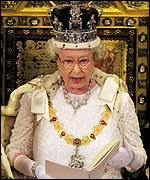
| | Wednesday, 13 November, 2002, 12:33 GMT Queen reveals changes for Wales 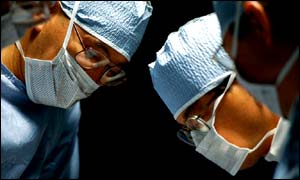 Better health care is one of the aims of the changes The Queen has outlined plans by the UK Government to reform the NHS and Sunday drinking laws in Wales, as well as unveiling new measures to tackle crime across the UK. Speaking at the state opening of Parliament on Wednesday, she announced two proposals specifically designed for Wales - a new Health Bill, and plans to remove archaic provisions which allow polls to be called every seven years on the question of Sunday opening of pubs.
In the planned health shake-up, a new Wales Centre for Health will be established, to support training, share news of the latest medical research, and well as provide advice on a range of health areas. Community health councils would change their role, taking on responsibility for primary care and nursing homes. The bill would also set up a new health professions body for Wales, which would take over functions carried out by the Welsh National Board for Nursing Midwifery and Health Visiting before its abolition later this year. The new body would have a broader remit and would cover other health specialties such as speech therapy and physiotherapy.
The general aim of the bill would be to increase patients' voices in the running of the health service. Controversial plans for the biggest structural shake-up of Wales's NHS for a generation - including the abolition of its five health authorities - have already been given royal assent. The Queen also addressed the Government's "commitment to devolution in Scotland and Wales", which had brought about a new flexibility in the delivery of public services. Welsh Secretary Peter Hain said the proposed health changes - along with legislation planned to tackle anti-social behaviour - would pave the way towards "a world-class Wales".
"Patient power will be our watchword in the future," he said. "This is the second Wales-only Bill since devolution, and a very good example of the partnership between Whitehall and Cardiff. "It is also the first Wales-only Bill since devolution to be subject to pre-legislative scrutiny by committees in Westminster and Cardiff." Plans to crack crime and improve the criminal justice system also had to be among the top priorities, Mr Hain stressed. "Above all, I want people to feel secure as they go about their daily lives free from crime, yobbishness and harassment," he said. "The Queen's Speech sets out a major legislative programme which goes to the heart of our communities - to fight crime and anti-social behaviour which blights the lives of many of our citizens, particularly the elderly and vulnerable. "Too many of our communities have been plagued by dealers and other criminals. "There are now more police officers than ever in Wales and the measures outlined will help them greatly in the fight against crime." The law and order proposals included : News of the government's plans to review alcohol licensing in Wales were also welcomed by Mr Hain. He said it was particularly important for Wales that the new bill would repeal the outdated provisions which currently allow polls to be called every seven years on the question of Sunday opening of pubs. "This is an anachronism which dates back nearly four decades to the time when Welsh pubs closed on Sundays," he said. "Its removal is long overdue. To have the possibility of a reversion to Sunday closing, however remote, hanging over us is not good for the image of Wales and everyone's right to quality time with their families in whatever way they choose.
"The change will be welcomed, not just by the licensed trade and its customers, but also by tourism operators throughout Wales and by local authorities who have to bear the cost of referenda." The Welsh Assembly Government had drawn up a wish-list of eight measures it wanted included in the Queen's Speech. As the assembly does not have primary law-making powers, it must ask Westminster to include such changes in its legislative programme. The only appeal rejected this time round was for St David's Day to be made a public holiday in Wales. Other requests such as a land use planning bill and a bill setting up an ombudsman for tenants of sold-off council properties may be included under wider-ranging bills to go before Parliament. Others, including a bill to merge the Audit Commission with the Auditor General for Wales, were long-term aspirations, and the Assembly hopes they will be included in a future Queen's Speech. An assembly spokesman said: "A number were markers for the future. Generally we are pretty happy with what we got. "In the last 100 years there have only been six Wales-only bills, but since the assembly was set up we have had one in every Queen's speech." | |
Internet links:  The BBC is not responsible for the content of external internet sites Top Wales stories now: Links to more Wales stories are at the foot of the page. | |||||||||||||||||||||||||||||||||||||||||||||||||||||||||||||||||||||||||||||||||||||||||||||||||||||||||||||
| |
|  E-mail this story to a friend E-mail this story to a friend |
| |
| Links to more Wales stories |
| | | ||
 | ||||
 | | Back to top
| ||
| ---------------------------------------------------------------------------------- To BBC Sport>> | To BBC Weather>> | To BBC World Service>> ---------------------------------------------------------------------------------- © MMIII | News Sources | Privacy |