|
 |
 | | | | | | |||||||||||||||||||||||||||||||||||||||||||||||||||||||||||||||||||||||||||||||||||||||||||||||||||||||||||||||||||||||
| | | You are in: UK: Wales | |||||||||||||||||||||||||||||||||||||||||||||||||||||||||||||||||||||||||||||||||||||||||||||||||||||||||||||||||||||||||
|
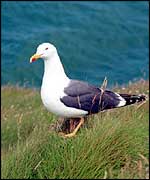
| | Tuesday, 20 August, 2002, 20:11 GMT 21:11 UK Gulls culled on nature reserve island 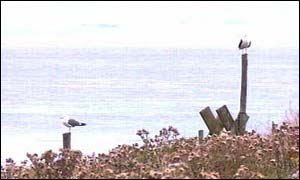 The scavenging ways of seagulls have led to a cull of hundreds of the birds at a Welsh beauty spot made famous by the radio pioneer, Marconi. The gulls which nest on Flatholm Island off the coast of south Wales have proved to be a danger to their own young.
For a number of them have contracted the food poisoning, botulism, by eating rotten food from rubbish dumps on the nearby mainland. And the only way to protect chicks and other gulls on the offshore nature reserve and Site of Special Scientific Interest to burn the bodies of the dead. Flatholm Island, five miles from Cardiff, has been retreat for monks since the Dark Ages and was visited by the area's Viking invaders. It was in headlines across the world at the end of the 19th Century when Marconi made his pioneering radio experiment. Its more modern attraction is that it now supports one of the largest colonies of seagulls in Wales.
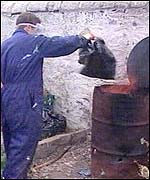
But the health of the colony is in danger from the greedy nature of the gulls - and the human habit of creating the vast waste tips on which they feed. Seagulls are not fussy about what they eat too many ready to tuck into flesh which is rotten. The result is many acquire botulism and are fated for a slow and painful death. This can be passed on to others who feed on their carcass, threatening a food poisoning epidemic on the island. In an effort to head off a seagull wipe-out, wardens have begun burning every seagull body they find, and have so far cremated about 500.
RSPB director, Tim Stow, said: "They are scavengers and they are particularly vulnerable because they will go round picking up scraps of food that people leave lying in the street, they'll go through plastic bins and they'll go to rubbish tips. "Particularly in warm weather, you get the outbreaks of this toxic, and it's highly dangerous too them. The RSPB is also urging people to reduce the amount of rubbish they leave available for the birds to feed on. | |
See also:  05 Jul 02 | Wales 05 Jul 02 | UK 12 Jul 01 | UK 27 Jul 01 | UK 15 Apr 02 | Scotland Internet links: The BBC is not responsible for the content of external internet sites Top Wales stories now: Links to more Wales stories are at the foot of the page. | |||||||||||||||||||||||||||||||||||||||||||||||||||||||||||||||||||||||||||||||||||||||||||||||||||||||||||||||||||||||
| |
|  E-mail this story to a friend E-mail this story to a friend |
| |
| Links to more Wales stories |
| | | ||
 | ||||
 | | Back to top
| ||
| ---------------------------------------------------------------------------------- To BBC Sport>> | To BBC Weather>> | To BBC World Service>> ---------------------------------------------------------------------------------- © MMIII | News Sources | Privacy |