|
 |
 | | | | | | ||||||||||||||||||||||||||||||||||||||||||||||||||||||||||||||||||||||||||||||||||||||||||||||||||||||||||||||||||||||||
| | | You are in: UK: Wales | ||||||||||||||||||||||||||||||||||||||||||||||||||||||||||||||||||||||||||||||||||||||||||||||||||||||||||||||||||||||||||
|
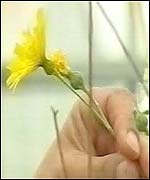
| | Thursday, 8 August, 2002, 06:24 GMT 07:24 UK Botanists rediscover mountain plant 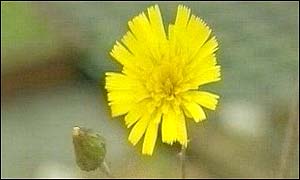 The Snowdonia Hawkweed was thought to be extinct A rare plant which was rediscovered in north Wales after an absence of almost 50 years is to receive the protection of scientists at the national botanical garden. The Snowdonia Hawkweed has been described as the Welsh Dodo because botanists thought it had become extinct from the slopes of the country's highest peak.
It was thought to have fallen victim to the thousands of sheep, which are left to roam high in the area's hills. But the foot-and-mouth outbreak of 2001 appears to have given it a chance for a new lease of life and botanists at the National Botanic Garden of Wales are determined to help it flourish. They have taken delivery of a specimen which was seen on a nature reserve where sheep are now no longer allowed to graze. It may be the only spot in the world where the flower grows as it struggles with the pressures facing all wild flowers: the erosion of habitat through over-grazing, deforestation, over-collection and climate change.
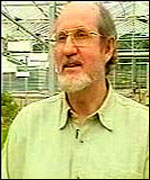
At the Carmarthenshire-based botanic garden, seeds from the plant are to be collected and grown at the site's glasshouses so that some day it can be re-introduced to the wild in greater numbers. Professor Charles Stirton, director of the gardens, said: "We often hear of extinctions in the tropical rainforest and other parts of the world but we have a very unique flora in this part. "We don't have a vast number of species, but many of what we do have are restricted to mountain tops and are very, very rare. "This is as exciting as finding a new tree in the tropics. "It is quite interesting that the recent discovery has come a year after we've had foot-and-mouth and there has been reduced grazing. So there is a correlation."
This break for the Snowdonia Hawkweed has come as Wales's flora faces what could be its greatest challenge in centuries. In March, this year the Woodland Trust claimed that global warming could pose a serious threat to Wales's woodland. It said research suggested that the Welsh oak could disappear together, along with bluebells and other woodland plants and animals. | |
See also:  21 Mar 01 | Wales 16 Aug 01 | Wales 16 Jul 02 | Wales 14 Nov 01 | Science/Nature 24 May 00 | Wales 18 Jun 00 | Science/Nature 18 Feb 00 | Wales Internet links: The BBC is not responsible for the content of external internet sites Top Wales stories now: Links to more Wales stories are at the foot of the page. | ||||||||||||||||||||||||||||||||||||||||||||||||||||||||||||||||||||||||||||||||||||||||||||||||||||||||||||||||||||||||
| |
|  E-mail this story to a friend E-mail this story to a friend |
| |
| Links to more Wales stories |
| | | ||
 | ||||
 | | Back to top
| ||
| ---------------------------------------------------------------------------------- To BBC Sport>> | To BBC Weather>> | To BBC World Service>> ---------------------------------------------------------------------------------- © MMIII | News Sources | Privacy |