|
 |
 | | | | | | |||||||||||||||||||||||||||||||||||||||||||||||||||||||||||||||||||||||||||||||||||||||
| | | You are in: UK: Wales | |||||||||||||||||||||||||||||||||||||||||||||||||||||||||||||||||||||||||||||||||||||||||
|
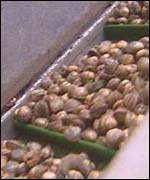
| | Friday, 2 August, 2002, 05:50 GMT 06:50 UK Cockle-pickers back in business  The cockle industry in Wales is centuries old Cocklers from west Wales return to work on Friday, hoping they can put behind them worries over toxins in the shellfish. Tests carried out on cockles from the Burry Inlet - one of Wales' richest areas for the shellfish - have proved negative for two consecutive weeks.
There has been an on-and-off ban on shellfish harvesting since July 2001, following the discovery of a poison similar to diarrhetic shellfish poisoning. In June, the ban on collecting cockles was re-introduced less than a month after it had been lifted. Swansea and Carmarthenshire councils imposed the ban, affecting the Burry Inlet at Penclawdd, because of toxins found in the cockles. A previous 10-month ban had been lifted in May.
The cocklers have long feared the prohibition of harvesting could lead to a crisis in the industry as the cockle beds became overpopulated. If young cockles do not have enough space to grow, their shells burst. Mussels, which feed off the shells, will then take over. Carmarthenshire County Council leader Meryl Gravell was cautiously optimistic. "I'm sure this result will give some relief to licensed gatherers," she said. Hopes "But we have had these negative results before, only for our hopes that the toxin has disappeared to be dashed when it has been found again. "I hope that this time the gatherers will enjoy a much longer period of cockling." Tests will continue to be carried out on a weekly basis and the ban will have to be reimposed if any prove positive. | |   See also: 13 Jun 02 | Wales 17 May 02 | Wales 17 May 02 | Wales 14 Aug 01 | Wales 12 Jun 01 | UK 14 Jan 01 | Wales 30 Jul 99 | Wales Internet links: The BBC is not responsible for the content of external internet sites Top Wales stories now: Links to more Wales stories are at the foot of the page. | |||||||||||||||||||||||||||||||||||||||||||||||||||||||||||||||||||||||||||||||||||||||
| |
|  E-mail this story to a friend E-mail this story to a friend |
| |
| Links to more Wales stories |
| | | ||
 | ||||
 | | Back to top
| ||
| ---------------------------------------------------------------------------------- To BBC Sport>> | To BBC Weather>> | To BBC World Service>> ---------------------------------------------------------------------------------- © MMIII | News Sources | Privacy |