|
 |
 | | | | | | |||||||||||||||||||||||||||||||||||||||||||||||||||||||||||||||||||||||||||||||||||||||||||||||||||||||
| | | You are in: UK: Wales | |||||||||||||||||||||||||||||||||||||||||||||||||||||||||||||||||||||||||||||||||||||||||||||||||||||||||
|
| | Friday, 28 June, 2002, 14:43 GMT 15:43 UK The horrors of No.9 Kelvin Road Three generations of the family died in the attack Journalists arriving in Clydach thought they were reporting a tragic fatal fire. As they turned into Kelvin Road in the Sunny Bank district that Sunday morning, reporters knew there had been four deaths at the burned-out house - two of them children. But it was not until South Wales Police called a press conference that the full horrors of what had happened at number 9 were revealed.
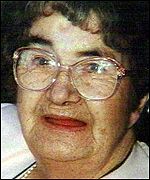
Detective Superintendent Martin Lloyd-Evans - the man who would lead the lengthy and complex investigation - explained that 34-year-old Mandy Power, her daughters Katie, 10, and Emily, 8, and her invalid 80-year-old mother, Doris Dawson, had been brutally murdered. All four had been battered to death with a mystery murder weapon, after which the killer had set the house alight to destroy evidence. Three years later, when Mrs Power's former lover David Morris was tried for the murders, firefighter John Campbell told Cardiff Crown Court that it quickly became apparent that the victims had not died in the fire. The emergency call came at 0427 BST and he went with a crew from nearby Morriston fire station.
"When we got there, the neighbours were in the street and the kitchen of the house was well alight," he said. "I instructed breathing apparatus teams to go in and search for casualties or persons trapped. "The first BA crew came out with a casualty - I think it was one of the children." But, when rescuers attempted to resuscitate the child and other family members, they discovered the horrific injuries, and a paramedic shouted: "The casualties have not died in a fire." In the days that followed, Mrs Power's tangled love-life would come to be the focus of the investigation.
Described by everyone as a loving and caring mother, Mrs Power had a convoluted personal life which police saw as the key to finding her killer. Her body was found half-naked and she had been assaulted after death with a sex-aid. She was known to have had several relationships - with both men and women - since the break-up of her marriage, but was in a stable lesbian relationship with former police officer Alison Lewis at the time of her death. Mother of twins Mrs Lewis, her husband Steve, and his twin brother Stuart - both serving police officers - all came under suspicion during the lengthy investigation that followed. No charges were ever brought against any of them.
Eventually the finger of suspicion fell on David Morris, a 40-year-old builder and scrap dealer who had had a sexual relationship with Mrs Power. His mistake was admitting to a relative that a key piece of evidence found at the murder scene - a gold chain - was, in fact, his. He had left it at the house just a few weeks before the murders. Unfortunately, Eric Williams let the fact slip to a friend, who in turn told an off-duty police officer - and Morris was instantly elevated from being "a person of interest" to a strong suspect. He was arrested in March 2001 and charged with four counts of murder. Hundreds of items were taken from the house for forensic tests, and eventually some links were found. The prosecution case focused on Morris's gold chain - found in a pool of blood in Doris Dawson's bedroom. A minute speck of brick dust was found on it, along with a small trace of paint which matched that used on kitchen units in his home in Rhyddwen Road, Craigcefnparc. Morris initially denied it was his. He even showed police an identical replacement he had bought. He eventually admitted leaving it at the house, but claimed it was several weeks before the killings. Throughout a two-month-long trial, Morris continually denied committing the murders, but doubts about his innocence were raised by his lies about the chain and about his whereabouts the night the massacre took place. And there were further doubts when an extensive list of Morris's previous convictions for violence were presented in detail to the jury. The defence case relied on pointing the finger at another person entirely - Mrs Power's lover Alison Lewis. A special programme on the Clydach murders is broadcast on BBC One Wales at 2055 BST on Friday. | |
See also:  19 Jun 02 | Wales 18 Jun 02 | Wales 18 Jun 02 | Wales 14 Jun 02 | Wales Top Wales stories now: Links to more Wales stories are at the foot of the page. | |||||||||||||||||||||||||||||||||||||||||||||||||||||||||||||||||||||||||||||||||||||||||||||||||||||||
| |
|  E-mail this story to a friend E-mail this story to a friend |
| |
| Links to more Wales stories |
| | | ||
 | ||||
 | | Back to top
| ||
| ---------------------------------------------------------------------------------- To BBC Sport>> | To BBC Weather>> | To BBC World Service>> ---------------------------------------------------------------------------------- © MMIII | News Sources | Privacy |