|
 |
 | | | | | | ||||||||||||||||||||||||||||||||||||||||||||||||||||||||||||||||||||||||||||||||||||||
| | | You are in: UK: Politics | ||||||||||||||||||||||||||||||||||||||||||||||||||||||||||||||||||||||||||||||||||||||||
|
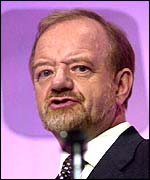
| | Monday, 3 February, 2003, 17:39 GMT Lords reform debate hots up  Ministers want to end the Lords reform saga Two Labour high flyers look set to vote against Tony Blair on the future form of the House of Lords, according to reports. Cabinet Office Minister Douglas Alexander and Schools Minister David Miliband, a former Downing Street policy chief, will vote against a wholly appointed Upper House in the Commons on Tuesday, the Guardian says. The pair join a heavyweight charge of ministers, led by House of Commons leader Robin Cook, who are opposed to Mr Blair's preferred option of an appointed second chamber.
Yvette Cooper, deputy to Lord Chancellor Lord Irvine, is among those believed to be opposed to Mr Blair's plans. Reports of their allegiances will be privately welcomed by Mr Cook, who twice refused to rule out quitting over the issue when asked at the weekend. Free vote Mr Miliband told the Guardian: "If you are sitting in the House of Lords as an independent, you can be appointed. If you are standing as a politician, you should be elected. "So I will be voting for a majority elected element." Mr Alexander, judged to be a key ally of Chancellor Gordon Brown, told the paper: "I will be voting for a democratically reformed second chamber." Downing Street has given a free vote to MPs on seven options for a reformed Lords - ranging from all members being appointed, to all members being elected. Number 10 says the whole point of a free vote is that people should be free to express their opinions, but it is rare for a Cabinet minister to challenge the prime minister's views so openly. Resignation issue? Robin Cook told the BBC he believed a largely elected second chamber was right in principle - so people knew they had chosen most of its members. He pointed to a recent opinion poll showing hardly any support for an all-appointed house and said it was important to carry the public in this long-awaited reform. Mr Cook has spearheaded the modernisation process and is committed to a second chamber comprised mainly of elected peers.
"It is my own personal, very humble opinion, that by removing a 20% elected element and substituting zero, we will not restore the public confidence that was missing the first time round." Meanwhile, Home Secretary David Blunkett has indicated that he would like the regions to select members. "The more representative of the country, the greater the legitimacy it will have," his spokesman said. "It would challenge the idea that democracy can only be expressed by direct election." The results of Tuesday's votes will be examined by the joint committee of MPs and peers looking at the issue on 25 February. | | See also:  29 Jan 03 | Politics 21 Jan 03 | Politics 07 Jan 03 | Politics 06 Jan 03 | Politics 17 Jun 02 | Politics 11 Dec 02 | Politics Internet links: The BBC is not responsible for the content of external internet sites | ||||||||||||||||||||||||||||||||||||||||||||||||||||||||||||||||||||||||||||||||||||||
 | |
|  E-mail this story to a friend E-mail this story to a friend |
| |
|
| | | ||
 | ||||
 | | Back to top
| ||
| ---------------------------------------------------------------------------------- To BBC Sport>> | To BBC Weather>> | To BBC World Service>> ---------------------------------------------------------------------------------- © MMIII | News Sources | Privacy |