|
 |
 | | | | | | ||||||||||||||||||||||||||||||||||||||||||||||||||||||||||||||||||||||||||||||||||||||||||||||||||||||||||||||||||||
| | | You are in: UK: Politics | ||||||||||||||||||||||||||||||||||||||||||||||||||||||||||||||||||||||||||||||||||||||||||||||||||||||||||||||||||||||
|
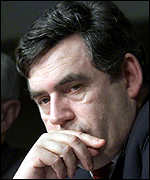
| | Tuesday, 14 January, 2003, 15:24 GMT Brown's war gamble  Brown has backed the prime minister over Iraq
And he has immediately had it shot at by Labour MPs opposed to military action against Saddam Hussein. In his first detailed comments on the issue, the chancellor backed the prime minister's line that military action against Iraq may be necessary without UN backing.
The chancellor spoke as speculation mounted in Westminster of a split between him and the prime minister over the issue. Greatest rival It had been suggested that Mr Brown is closer to the doves in the cabinet who are insisting any action against Saddam must only be launched with UN backing. The prime minister, on the other hand, has insisted time and again that the UN must be a way of "dealing with the problem, not avoiding it." In his monthly press conference last Monday he made it crystal clear he was ready to send in the troops even without UN support. But the Chancellor has now echoed that view, claiming Saddam could not go "unpunished" if he flouted UN demands. His comments, coming from the man seen by many as Tony Blair's greatest rival, are hugely helpful for the prime minister. Escape route He may not have been as passionate in his remarks as the prime minister but he has now nailed his colours to the wall. It would have been hugely difficult for him to have obviously contradicted Mr Blair.
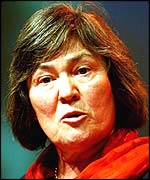
Some also believe he knows that, should he ever become leader, he will have to maintain a close relationship with America. But he could have crafted his words carefully enough to allow himself an escape route if the whole thing goes pear shaped and Tony Blair is under threat. It now leaves Clare Short as the most prominent cabinet critic. And Labour's backbench opponents believe the chancellor has now allied himself closely to the prime minister. And they don't like it. It may not harm his chances of one day replacing Tony Blair in a way obvious disloyalty may have done. But it will certainly have dismayed many of his natural supporters both on the Labour benches and the wider Labour movement. | |
See also:  13 Jan 03 | Politics 14 Jan 03 | Middle East Internet links: The BBC is not responsible for the content of external internet sites | ||||||||||||||||||||||||||||||||||||||||||||||||||||||||||||||||||||||||||||||||||||||||||||||||||||||||||||||||||||
 | |
|  E-mail this story to a friend E-mail this story to a friend |
| |
|
| | | ||
 | ||||
 | | Back to top
| ||
| ---------------------------------------------------------------------------------- To BBC Sport>> | To BBC Weather>> | To BBC World Service>> ---------------------------------------------------------------------------------- © MMIII | News Sources | Privacy |