
|
 |
 | | | | | | ||||||||||||||||||||||||||||||||||||||||||||||||||||||||||||||||||||||||||||||||||||||||||||||||||||||||||||||||||||||||||||||||||||||||||||||||||||||||||||||||||||||
| | | You are in: UK: Politics | ||||||||||||||||||||||||||||||||||||||||||||||||||||||||||||||||||||||||||||||||||||||||||||||||||||||||||||||||||||||||||||||||||||||||||||||||||||||||||||||||||||||||
|
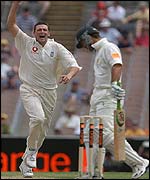
| | Thursday, 9 January, 2003, 21:17 GMT Cricket talks fail to break deadlock  England are due to play Zimbabwe on 19 February The England cricket team looks likely to go ahead with its World Cup match in Zimbabwe. Speaking minutes after a meeting with cricket authorities, Sports Secretary Tessa Jowell said talks had been "friendly but frank".
But it appeared that a much-needed breakthrough between the two sides had not been secured. Ms Jowell reiterated that no cash compensation would be made available if the match was boycotted and insisted that the ultimate decision rested with the England and Wales Cricket Board (ECB). ECB chief Tim Lamb emerged from the talks to accuse the government of keeping their concerns over the Zimbabwe fixture to themselves until "the 59th minute of the 11th hour". In response, the government later released minutes of a meeting it said showed that concerns were relayed to cricket representatives last July. A Foreign Office spokesman said the minutes proved officials had told the ECB the government "might well find it difficult to accept that an England cricket team should play in Zimbabwe". The spokesman added: "Officials also briefed the ECB that there was a possibility of mass civil unrest and subsequent security problems." As the political row over the match continued, Conservative leader Iain Duncan Smith said the government was "all over the place and in a complete mess" on the issue.
Liberal Democrat sports spokesman Nick Harvey said: "If we wish to avoid this kind of debacle in the future, the government should make plain their wishes before sporting bodies sign binding contracts." Ms Jowell's view that cricket officials had been aware of government concerns since July was in stark contrast to Mr Lamb's recollection of events. Ms Jowell acknowledged that the ECB had a "very difficult decision" but urged them not to offer President Robert Mugabe such a propaganda opportunity. 'Relocate matches' Cricket bosses have said the game stands to lose up to �10m if they refuse to attend the match in the troubled southern African country. Mr Lamb said his responsibility was to the well-being of the game of cricket although he indicated that if the situation deteriorated in Zimbabwe that that would provide a get-out for both the ECB and the UK government. Earlier Ms Jowell told the BBC: "The security situation is deteriorating on an almost daily basis ... the simple way out is... that matches in Zimbabwe be relocated to South Africa." The talks were an attempt to defuse the row sparked initially when International Development Secretary Clare Short said she deplored England's decision to play in Zimbabwe because of the human rights record of Robert Mugabe's government. Perverse, illogical Tony Blair has also urged the England and Wales Cricket Board (ECB) to cancel next month's fixture. Mr Lamb has said it is "perverse and illogical" that the government wanted the cricket team to boycott Zimbabwe at a time when there were no restrictions on British businesses and other bodies operating. He said he would not be able to recommend to his management board that the match be boycotted unless the government agreed to meet losses which would otherwise "irreparably damage" the ECB's finances. Soft touch If there was a boycott the team will forfeit two points in the World Cup and are also likely to face a �1m penalty imposed by the ICC for not fulfilling the fixture in Harare. On top of that, there is the possibility Zimbabwe will retaliate by pulling out of a tour to England scheduled for later this year, causing the loss of millions of pounds in income. Foreign Office Minister Baroness Amos insisted that Zimbabwe's cricketers remained welcome in Britain. "This is about the situation in Zimbabwe," she said. "We would have no problem with the Zimbabwe cricket team coming to the UK." The International Cricket Council, which is organising the tournament, recently sent a delegation to Zimbabwe and concluded it was safe to play cricket there. | |

 Just a matter of sport?
See also: 09 Jan 03 | Politics 08 Jan 03 | Politics 09 Jan 03 | Politics Internet links: The BBC is not responsible for the content of external internet sites | ||||||||||||||||||||||||||||||||||||||||||||||||||||||||||||||||||||||||||||||||||||||||||||||||||||||||||||||||||||||||||||||||||||||||||||||||||||||||||||||||||||||
 | |
|  E-mail this story to a friend E-mail this story to a friend |
| |
|
| | | ||
 | ||||
 | | Back to top
| ||
| ---------------------------------------------------------------------------------- To BBC Sport>> | To BBC Weather>> | To BBC World Service>> ---------------------------------------------------------------------------------- © MMIII | News Sources | Privacy |




 The simple way out is that matches in Zimbabwe be relocated to South Africa


 28.57%
  71.43%


