|
 |
 | | | | | | |||||||||||||||||||||||||||||||||||||||||||||||||||||||||||||||||||||||||||||||||||||||
| | | You are in: UK: Politics | |||||||||||||||||||||||||||||||||||||||||||||||||||||||||||||||||||||||||||||||||||||||||
|
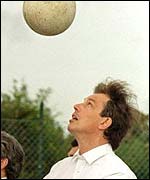
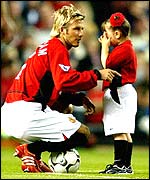
| | Thursday, 19 December, 2002, 21:42 GMT 'Couch potatoes' to be targeted  Work is starting on improve schools PE A new strategy to get more people playing sport regularly and produce world-beating athletes has been unveiled. The government has said it wants to combat the "couch potato" culture and improve the nation's health.
The strategy also backs the idea of London bidding to stage the 2012 Olympics - provided a proper plan is in place for using the facilities when the event has ended. That marked a shift from the original draft of the paper, which had said there were no benefits from staging major sports events. Instead, the paper said events like the Commonwealth Games cultivated a "feelgood factor" and national pride. The report calls for a 20-year plan to coordinate bids and a Centre of Expertise in DCMS for major sporting and cultural events, it says. Culture Secretary Tessa Jowell said such "mega events" could only succeed with central government help. 'Powerful tool' It says the UK needs to mirror Australia's approach over the last 20 years to achieving elite success and learn from Finland's record in encouraging mass participation. Only 46% of Britons currently take part in fitness activities compared to almost 80% in Finland.
"But the value of sport goes beyond personal enjoyment and fulfilment. "Sport is a powerful and often under-used tool that can help government to achieve a number of ambitious goals. "We have to ensure that we are well equipped to do that." He said more than �2bn of government and Lottery cash would be going into sport over the next three years, which he claimed was "more than ever before". Schools The report - called Game Plan - has been jointly produced by Downing Street's strategy unit and the department of culture, media and sport. Sports minister Richard Caborn said it was "very important for the long-term structure of sport". He told BBC News 24: "Our activity in schools is less than satisfactory.
"We are also looking at the other serious part, which is 70% of our young people when they leave school don't continue in active sport." He said obesity was costing the economy �2bn a year and diabetes was on the increase among the young. The government plans pilot schemes to find out the best way of encouraging participation in sport, with resources targeted at young people, older people and poorer areas of the country. Youngsters The report calls for better "pathways" for developing talented youngsters from grassroots to elite level. Efforts should also be made to stop children specialising too early or over- competing, it adds. And it wants sporting structures to be simplified so that more money is spent on athletes rather than red tape. It says decisions on handing over taxpayer's money to Sports Councils and other bodies should be based on results achieved in raising participation and elite level success, rather than on programmes they intend to run. There should also be more business expertise on the boards of Sport England and UK Sport, it says. And the government should enhance the role of sport within DCMS by appointing a Director of Sport. | | See also:  16 Dec 02 | Education 30 Aug 02 | Business 04 Jun 00 | Health 26 Sep 02 | Football Internet links: The BBC is not responsible for the content of external internet sites | |||||||||||||||||||||||||||||||||||||||||||||||||||||||||||||||||||||||||||||||||||||||
 | |
|  E-mail this story to a friend E-mail this story to a friend |
| |
|
| | | ||
 | ||||
 | | Back to top
| ||
| ---------------------------------------------------------------------------------- To BBC Sport>> | To BBC Weather>> | To BBC World Service>> ---------------------------------------------------------------------------------- © MMIII | News Sources | Privacy |




 Sport is a powerful and often under-used tool that can help government to achieve a number of ambitious goals