|
 |
 | | | | | | ||||||||||||||||||||||||||||||||||||||||||||||||||||||||||||||||||||||||||||||||||||||||||||||||||||||||||||||||||||||||||||||||||||||||||||||
| | | You are in: UK: Politics | ||||||||||||||||||||||||||||||||||||||||||||||||||||||||||||||||||||||||||||||||||||||||||||||||||||||||||||||||||||||||||||||||||||||||||||||||
|
| | Friday, 22 November, 2002, 08:44 GMT Ministers consider early top-up fees 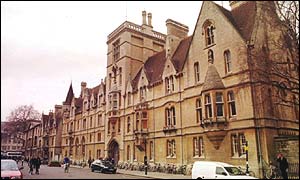 Opponents fear an elite tier for the affluent Ministers are considering introducing legislation in the current session of Parliament which would enable top-up fees to be brought in after the next election. It was already understood that ministers were looking closely at the idea, together with one of a graduate tax. But BBC Radio 4's Today programme has learnt the government is keen to rush through legislation before the general election. If top-up fees were introduced, it would mean students would pay tuition fees higher than the present level of �1,100 a year. Some institutions say they want to charge as much as �15,000, but others talk of what they say are more realistic figures of �3,000 or �4,000. The government has been looking at these various ways of making students pay more for their education because of a big shortfall in univesity funds.
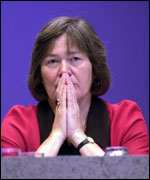
The last Labour manifesto ruled out the introducing top up fees before the next general election. Critics believe it would be wrong to prepare the way now, even if the payments did not start until the next Parliament. The issue is likely to continue to be explosive for the government, with Clare Short dismissing new fees as a "really bad idea" and Chancellor Gordon Brown thought to favour a graduate tax instead - the Scottish system.
Publicly ministers have been careful to stress they will abide by their manifesto commitment not to introduce top-up fees during this parliament. But a senior government source has told the BBC measures paving the way for top-up fees after the next election could be introduced in this session of Parliament. The opposition have accused the government of hyping the debate on fees to soften people up - preparing the public for paying more for higher education. Long wait 'unacceptable' The government source said such were the financial pressures on universities the government had to act quickly, and having the necessary legislation already in place would enable fees to be introduced much more speedily. Ministers apparently believe waiting until after the next election could mean it would take up to seven years to get new fees in place.
The source also suggested the government may not even have to bring forward a bill to introduce top-up fees - the education secretary could have the power under previous education acts. Conservative shadow education secretary Damian Green suggested powers in the 1998 Teaching and Higher Education Act meant the government could allow higher fees. 'Time bomb' Some Labour MPs are already warning any move on higher fees before the next election would be a betrayal of Labour's manifesto. Labour's John Cryer told Today: "To introduce in this Parliament so that the fees actually come into effect in the next Parliament is really quite mendacious." But Liberal Democrat education spokesman Phil Willis said the government could not afford to wait until after the next election before tackling the "ticking time bomb" in university funding. "It has to produce something in this Parliament or go into the next general election in an almighty mess," said Mr Willis. The new Education Secretary, Charles Clarke, is due to publish a review of higher education funding in January. Barry Sheerman, Labour chairman of the Commons education select committee, said it was too early to say top-up fees would emerge. "We know that genuine debate is going on even at this late stage about the options facing the government," said Mr Sheerman. Most Labour MPs realised "someone has to pay" to meet the aim of getting 50% of youngsters into higher education, he said. | |
Internet links:  The BBC is not responsible for the content of external internet sites | ||||||||||||||||||||||||||||||||||||||||||||||||||||||||||||||||||||||||||||||||||||||||||||||||||||||||||||||||||||||||||||||||||||||||||||||
| |
|  E-mail this story to a friend E-mail this story to a friend |
| |
|
| | | ||
 | ||||
 | | Back to top
| ||
| ---------------------------------------------------------------------------------- To BBC Sport>> | To BBC Weather>> | To BBC World Service>> ---------------------------------------------------------------------------------- © MMIII | News Sources | Privacy |