
|
 |
 | | | | | | ||||||||||||||||||||||||||||||||||||||||||||||||||||||||||||||||||||||||||||||||||||||||||||||||||||||||||||||||||||||||||||||||||||||
| | | You are in: UK: Politics | ||||||||||||||||||||||||||||||||||||||||||||||||||||||||||||||||||||||||||||||||||||||||||||||||||||||||||||||||||||||||||||||||||||||||
|
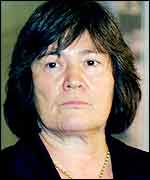
| | Monday, 18 November, 2002, 12:48 GMT Short attacks student top-up fees  In February students called for the return of grants Tony Blair is facing a growing revolt over plans to charge students more to attend top universities.
In an interview with the Guardian, she claims they would create a two-tier education system, denying youngsters from poorer backgrounds access to a top class education. Her view is believed to be shared by other cabinet members - and the majority of Labour backbenchers. 'Lively debate' In a potentially embarrassing twist, Foreign Secretary Jack Straw's son Will, who is president of the Oxford university union, has said top-up fees would discriminate against poorer families. The prime minister's official spokesman declined to say whether Ms Short would be reprimanded over her comments.
He said university funding was "real issue" and the government had to face the fact that "you don't get world class universities on the cheap". "Whatever solution is found is going to raise difficult issues," he added. Asked about dissent in Cabinet, the spokesman said there had been a "lively debate" on the issue. Manifesto pledge Around 60 Labour MPs - including former cabinet minister Frank Dobson - have signed a Commons motion opposing top-up fees. Ian Gibson, Labour chair of the Commons science and technology committee, said the "general majority view" among Labour MPs was "definitely against" the idea. Labour's 2001 manifesto ruled out the introduction of top-up fees - now taken to mean for the lifetime of the current parliament.
But there are signs higher fees will be included in the next manifesto, as a solution to what ministers have described as a crisis in university funding. Tony Blair has refused to rule-out the introduction of higher fees while he is prime minister. His support for the idea is reported to be one of the issues which led to the resignation of education secretary Estelle Morris. Chancellor Gordon Brown is also understood to be against top-up fees, favouring instead a graduate tax, where students pay for the cost of their education after they leave university, according to their ability to pay. Fear of debt Ms Morris' replacement as education secretary, Charles Clarke, was also initially thought to favour a graduate tax. But he has also made it clear he does not think fear of debt should deter middle class students from attending university. Writing in a Sunday newspaper Mr Clarke said: "Many young people do not think twice about taking out a loan or credit to buy a car or a holiday. "But a holiday or a car are depreciating assets, unlike education which gives you a start in life." 'Talented' Higher education minister Margaret Hodge said it was "naive" to pretend all university courses were the same. And she warned students there would be "no free lunches". But she stressed "talented" students from working class backgrounds would be insulated from higher charges. The government's plans are due to be outlined in January, when it publishes a long-awaited review of student and university funding. 'Terrifying' The issue is an emotive one for Labour, as several of the party's leading lights benefited from free university education. Clare Short said it would have been "terrifying" to have had to borrow money to pay for her university education. But Foreign Secretary Jack Straw, who also received a full university grant, said: "In any changes that are made, access from lower income households like Clare's and mine 40 years ago - and many other people today - is a very important consideration. "And we will be aiming to improve the financial support for people from low income households, at the same time as we seek to ensure that people who have adequate incomes pay a fairer share towards their own education." Mr Straw's son Will's letter to the Guardian said: "Increasing the top rate of income tax would cover the gaping hole in higher education funding and help provide a proper student support system." Jack Straw told BBC Radio 4's Today that Will was an "elected student representative and fully entitled to his view". | |
See also:  18 Nov 02 | Politics 17 Nov 02 | Politics 17 Nov 02 | Politics Internet links: The BBC is not responsible for the content of external internet sites | ||||||||||||||||||||||||||||||||||||||||||||||||||||||||||||||||||||||||||||||||||||||||||||||||||||||||||||||||||||||||||||||||||||||
 | |
|  E-mail this story to a friend E-mail this story to a friend |
| |
|
| | | ||
 | ||||
 | | Back to top
| ||
| ---------------------------------------------------------------------------------- To BBC Sport>> | To BBC Weather>> | To BBC World Service>> ---------------------------------------------------------------------------------- © MMIII | News Sources | Privacy |




 You don't get world class universities on the cheap


 TALKING POINT
 Top-up fees